
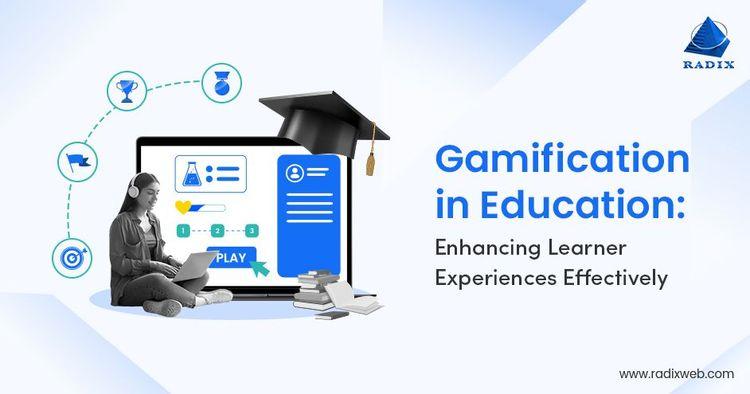
Gamification in Education: How to Integrate Engaging Strategies into Standard Curricula
Introduction: The Power of Gamification in Education
As technology transforms every facet of daily life, the classroom has not remained untouched. Gamification in education—the practice of integrating game mechanics and dynamics into learning environments—has emerged as one of the most effective ways to boost student motivation, retention, and participation. Rather than simply watching or listening,students become active participants in their education,tackling challenges,earning rewards,and working collaboratively. In this article, we’ll explore how educators can thoughtfully integrate gamification strategies into standard curricula, ensuring both academic rigor and elevated engagement.
understanding Gamification: Key Concepts and Definitions
Gamification involves applying game-like features—such as points, badges, leaderboards, quests, and challenges—to non-game contexts, like the classroom. Instead of creating educational games from scratch, gamification enhances existing lessons by making them interactive and rewarding. It is distinct from game-based learning, which uses games as direct teaching tools. The goal: create a motivating learning habitat that supports mastery,healthy competition,and collaboration.
Benefits of Gamification in Education
- Increased Engagement: Game mechanics harness intrinsic motivation, encouraging learners to participate more actively.
- Enhanced knowledge Retention: Interactive, fun activities help cement facts and improve long-term memory.
- Immediate Feedback: Points and badges provide real-time recognition and highlight areas for improvement.
- Collaboration and Social Learning: team quests and multiplayer tasks foster dialog and teamwork.
- Personalized Learning Paths: Students can progress at their own pace and track individual achievements.
- Growth of Critical Skills: Strategic games support problem-solving, creativity, and time management.
Practical Strategies for Integrating gamification into Standard Curricula
Moving from theory to practice requires careful planning. Here’s how educators can successfully blend gamification elements into everyday lessons:
1. Define Clear Learning Objectives
Start by identifying the academic goals for each lesson.Gamification works best when tied directly to curriculum standards and learning outcomes. Use educational keywords such as critical thinking, collaborative learning, and assessment for learning throughout your planning.
2. Choose Appropriate Game Mechanics
- Points & Levels: Assign points for completing assignments and introduce levels as students master topics.
- Badges & Certificates: Reward badges for achievements like perfect attendance, teamwork, or creativity.
- Leaderboards: Display student progress, but focus on personal improvement and team achievements rather than just competition.
- Quests & Challenges: Structure lessons as quests with clear goals and milestones. This format encourages exploration and persistence.
- immediate feedback: Use short quizzes and interactive activities that provide instant feedback to reinforce learning.
3.Align Gamified Elements with Curriculum Standards
Ensure that every game mechanic supports state or national curriculum standards. For example, math quizzes using digital badges should correspond with the specific skills outlined in your standard curriculum.
4. Leverage Technology and Educational Platforms
- LMS Integration: Platforms like Google Classroom, Moodle, or Classcraft offer built-in gamification tools.
- WordPress Plugins: Use WordPress plugins such as BadgeOS or GamiPress for tracking and displaying student achievements if you run a class blog or website.
- Mobile Apps: Tools like Kahoot!, Quizizz, and Duolingo turn assessments and content review into competitive challenges.
5. Blend Online and Offline Activities
Not all gamification must be digital. Create classroom quest boards, hand out physical badges, or set up team-based scavenger hunts that reinforce academic content.
6. Encourage Reflection and Growth
After completing gamified activities, create space for students to reflect on what they learned and what strategies helped them succeed. Use discussion forums, journals, or exit tickets to promote metacognition.
Gamification Case Studies: Engagement in Action
Case Study 1: Mathematics Quest at Lincoln middle School
Lincoln Middle School introduced a year-long Math Quest, where students earned points for completing assignments, helping peers, and mastering topics. The quest featured weekly challenges, badges for collaborative problem-solving, and a leaderboard emphasizing personal growth. Result: test scores improved by 23% and student absenteeism dropped significantly.
Case Study 2: Language Learning with Duolingo in High School
By implementing Duolingo as part of Spanish classes, teachers noticed higher home practice rates, improved vocabulary retention, and more lively classroom conversations. Gamified streaks and achievements kept students motivated far beyond traditional homework assignments.
Case Study 3: Science Quests using WordPress
At River valley School, educators built gamified science modules using WordPress and BadgeOS. Students earned badges for completing experiments, posting reflections on the class blog, and participating in group inquiry projects. This blended approach boosted participation, supported differentiated learning, and provided easy progress tracking.
first-Hand Experience: insights from the classroom
Teachers report that integrating gamification is a journey, not a destination. Ms. James,a fifth-grade teacher,shares:
“When I started using badges and weekly class challenges,my students became much more invested in their learning. They started encouraging each other, setting goals, and taking ownership of their progress. Of course, it’s crucial to balance game elements with meaningful content, but it’s been incredibly rewarding!”
Students also express thankfulness for gamified learning. One student shares:
“I never liked math before, but the class quest made it fun. I learned more because I wanted to finish every quest and help my team.”
Tips for Getting Started with Gamification in the Classroom
- Start small: Introduce one or two game mechanics before building a more complex system.
- Solicit student feedback: Let students help shape the rules and rewards for even greater ownership.
- Balance competition and collaboration: Mix team tasks with individual challenges to include all learners.
- Prioritize educational value: Use gamification to enhance—not distract from—core curriculum objectives.
- Track data: Monitor student participation and achievement to refine your approach over time.
Potential Pitfalls and How to Avoid Them
- Overemphasis on Rewards: Avoid making extrinsic rewards (points, badges) the sole driver; focus on intrinsic motivation and mastery.
- Equity Issues: Design gamified activities so every student can succeed, regardless of ability or background.
- Lack of alignment: Always tie game elements to curriculum standards and learning objectives.
- Technical Limitations: Choose technology that is accessible to all students, offering offline options as needed.
Conclusion: Embracing the Future of Learning
Gamification in education is more than a trend—it represents a lasting evolution in how we engage students and promote deep, lasting learning. By thoughtfully integrating gamified strategies into standard curricula, educators empower pupils to become motivated, collaborative, and resilient learners. Whether you’re a seasoned teacher or new to the educational field, adopting gamification can breathe new life into your classroom and help every student unlock their fullest potential. Why not start today?