
Gamification in Education: How to seamlessly Integrate Game Elements into Standard Curricula
In the rapidly evolving landscape of education, leveraging innovative teaching strategies is crucial to maintain student engagement and enhance learning outcomes. Among these strategies, gamification in education stands out as a powerful tool. By seamlessly integrating game elements into standard curricula, educators can transform conventional lessons into interactive experiences, fostering motivation, collaboration, and a deeper understanding of knowledge. In this thorough guide, we’ll explore the essence of gamification, its practical benefits, and actionable steps for effective implementation in the classroom.
What is Gamification in Education?
Gamification in education refers to the application of game design principles and techniques in academic settings to enrich learning. This involves introducing elements such as competition, scoring, badges, levels, and storytelling into lessons, assignments, and assessments. The goal is to create a more dynamic and student-centered learning experience that promotes engagement, persistence, and joy in learning.
Key Game Elements in Educational Gamification
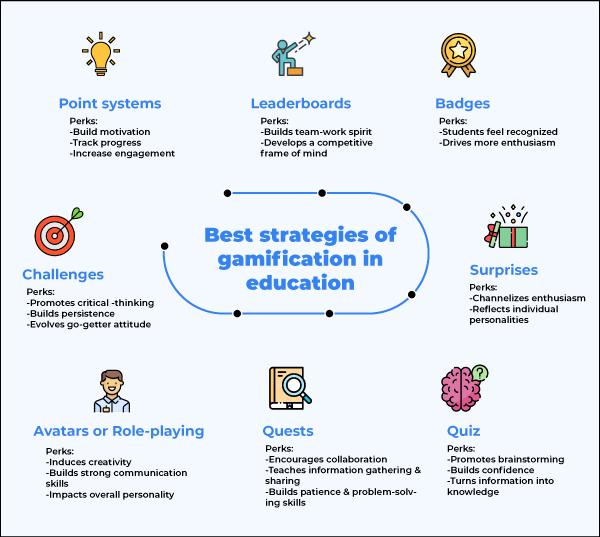
- Points and scoring systems: Rewarding students for participation, accuracy, or creativity.
- Badges and achievements: visual recognition for reaching milestones or exhibiting specific skills.
- Levels and progression: Structured challenges that students unlock as their skills grow.
- Leaderboards: Friendly competition that boosts motivation and fosters teamwork.
- Quests and storylines: Narrative-driven tasks that make learning immersive.
Benefits of Gamification in education
Integrating gamified learning experiences can have far-reaching positive impacts, both for educators and students.Here’s why gamification works so well in education:
Enhanced Student Engagement
Game elements inherently drive learners to participate actively, countering the passive nature of traditional instruction. When students are motivated by points,badges,or rankings,they are more likely to contribute,ask questions,and complete assignments.
Improved Learning Outcomes
gamification encourages persistence and resilience. When challenges are presented as “levels” to beat or puzzles to solve, students often stick with tasks longer, deepening their understanding and improving achievement.
Personalized Learning Paths
With gamified approaches, students can progress at their own pace, choosing quests or tasks that match their interests and skills. This fosters differentiation and inclusivity in the classroom.
Greater Collaboration and Social Interaction
Many game elements, such as group quests or team challenges, promote peer interaction, enhancing social skills and teamwork—key competencies for the 21st-century learner.
Instant Feedback and Recognition
Immediate feedback in the form of scores or badges lets students no how they’re doing in real-time, which can boost confidence and inform areas for improvement.
How to Seamlessly Integrate Gamification into Standard Curricula
Bringing gamification into the classroom doesn’t require a total overhaul of the curriculum. Instead, educators can weave game elements into existing lesson plans and activities. Here are practical tips for a smooth integration:
1. Start Small with Existing Lessons
- Identify lessons or activities that are repetitive or lack engagement.
- Add simple elements like a point system or badges for completion and accuracy.
2. Set Clear Objectives Aligned with Curriculum Goals
- Ensure that any gamified task supports your learning objectives.
- Define success criteria for earning rewards (e.g.,accuracy,creativity,collaboration).
3. Use Technology to Enhance Gamified Learning
- Utilize platforms such as Kahoot!, Classcraft, or Duolingo for interactive and gamified lessons.
- Leverage educational apps and tools that allow you to customize game mechanics to fit your content.
4. Foster Healthy Competition and Collaboration
- Introduce leaderboards that track progress but emphasize personal growth and teamwork over rivalry.
- Design group quests or challenges to build a sense of community and improve social skills.
5. Incorporate Storytelling and Narrative Elements
- Frame lessons as adventures or missions that need to be completed by the class.
- Create characters or avatars to represent students in the gamified setting.
6. Regularly Assess and iterate
- gather feedback from students on what motivates them and which elements resonate most.
- Continuously refine and evolve your gamification strategy to keep experiences fresh and relevant.
Case Studies: Accomplished Gamification in Education
To illustrate the power of gamification, let’s examine real-world examples where game elements have transformed student outcomes:
Duolingo – Mastering Languages Via Game Mechanics
Duolingo’s language-learning app is a benchmark in educational gamification.users earn points, unlock levels, and collect badges, all while progressing through structured lessons. The app’s streak feature keeps learners returning daily, reinforcing language acquisition through consistent practice—clearly demonstrating how curriculum can be gamified successfully.
Kahoot! – Turning Quizzes into Interactive Games
Kahoot! transforms quizzes and assessments into dynamic competitions. Teachers create multiple-choice questions, and students earn points for speed and accuracy.Leaderboards and instant feedback keep learners engaged and motivate improvement. Schools report that Kahoot! increases participation and confidence, making assessments less intimidating and more enjoyable.
Classcraft – Gamified Classroom Management
Classcraft uses role-playing and story-driven challenges to encourage positive behaviors and academic achievement.students create avatars and work together as teams to earn points for collaboration, homework completion, and leadership. This approach not only boosts engagement but also improves social-emotional skills and overall classroom climate.
First-Hand Experience: Teacher and Student Perspectives
“Introducing gamification to my lessons transformed my students’ attitudes. They’re more excited to participate, and our classroom feels like a supportive team. Even students who struggled before are now more confident and willing to try.”
– Mrs. L. Carter, 5th Grade Teacher
“I like earning badges for finishing my math homework and I want to get to the next level. It’s way more fun than just doing worksheets!”
– Jake, 4th Grade Student
Practical Tips for Educators: Getting Started with Gamification
- Research and Choose Tools Wisely: Start with free or low-cost platforms like Kahoot!, Quizizz, or Socrative to test gamification in your classroom.
- Be Inclusive: Design games that cater to different learning styles and abilities, ensuring every student can participate meaningfully.
- Set Clear Rules: Outline guidelines to keep competition friendly and focused on growth.
- Track Progress: Create visual charts or dashboards so students can monitor their achievements.
- Gather Feedback: Ask students what they like and what could be improved for future activities.
- Celebrate Success: Publicly recognize learners’ achievements—be it completing a quest,reaching a milestone,or showing teamwork.
Challenges and Considerations
While the benefits are clear, integrating gamification in education requires thoughtful planning. Potential challenges include:
- Balancing fun with educational rigor: Ensure game elements always support learning, not distract from it.
- Avoiding over-competition: foster a collaborative, supportive culture rather than excessive rivalry.
- Accessibility: Make sure all students have equal access to technology and understand the rules.
- Ongoing teacher training: Educators should be equipped to design and facilitate gamified lessons effectively.
Conclusion: The Future of Gamification in Education
Gamification in education isn’t just a passing trend—it’s an evidence-based approach to creating motivating, inclusive, and dynamic learning environments. By thoughtfully integrating game elements into standard curricula, teachers can spark curiosity, boost engagement, and deepen learning for every student. Whether using simple point systems or immersive apps, the key is to align gamified experiences with educational goals and student needs. As technology and pedagogical theory continue to evolve, gamification will remain at the forefront of educational innovation, empowering both educators and learners for years to come.