
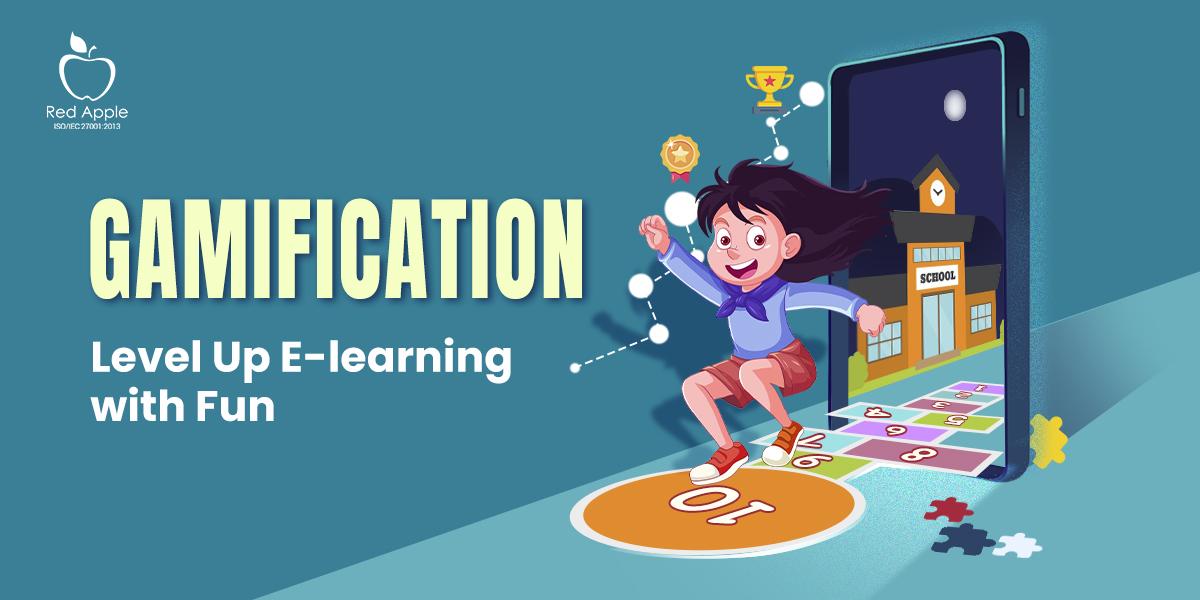
Gamifying Education: How Game-Based learning Boosts Student Motivation and Engagement
In todayS fast-paced digital world, customary teaching methods often struggle too capture and maintain students’ attention. However, educational innovation is reshaping the classroom experience. Gamifying education—also known as game-based learning—is emerging as a transformative solution, igniting enthusiasm, motivation, and deeper engagement among learners of all ages. In this article, we’ll explore how incorporating game elements into education enhances student motivation and engagement, examine compelling case studies, and provide actionable strategies for educators keen to harness the power of gamification.
Gamifying education bridges the gap between learning and play, creating a dynamic surroundings where students are eager to participate and excel.
What Is Gamifying Education?
At its core, gamifying education means integrating game mechanics—such as point scoring, competition, rewards, leaderboards, storytelling, and challenges—into educational content and activities. unlike purely playing educational games, game-based learning refers to a structured approach that uses elements of games to meet specific learning outcomes.
Key Game Elements in Education
- Points,Badges,and Rewards: Recognize and build student achievement thru tangible virtual incentives.
- Levels and Progression: Break complex topics into manageable stages that promote a sense of advancement.
- Leaderboards: Foster healthy competition and celebrate top performers.
- Storytelling and Narratives: Embed academic content into compelling stories that encourage problem-solving.
- Quests and Challenges: Turn assignments into interactive missions that require collaboration and creativity.
Why Gamified Learning Increases Motivation and Engagement
The popularity of game-based learning isn’t just a passing trend—psychological research backs its effectiveness. Here’s why gamification works:
1. Instant Feedback and Positive Reinforcement
games deliver immediate feedback, letting students see the consequences of their choices instantly. This continuous feedback loop helps learners correct mistakes faster and feel a sense of accomplishment—key for educational motivation.
2. Promotes Active Participation
Gamification transforms passive listening into interactive experiences. Students are not just recipients of information; they’re active participants who make decisions,solve problems,and engage in hands-on learning.
3. builds a Growth mindset
By framing failures as opportunities for enhancement—and rewarding perseverance—game-based learning encourages students to embrace challenges, learn from mistakes, and persist until they succeed.
4. Encourages Collaboration and Social Learning
Many gamified activities are team-based,emphasizing communication and collaboration. Peer interaction boosts engagement and helps develop essential social skills.
5. Makes Learning Fun and Memorable
Engaging game narratives and meaningful rewards make lessons enjoyable and memorable. When students associate learning with positive emotions, their motivation and retention increase.
According to a 2023 Edutopia report, up to 80% of students in gamified classes show higher motivation compared to traditional settings.
Benefits of Game-Based Learning in the Classroom
- Improves Student engagement: Interactive elements keep students focused and eager to participate.
- Increases Retention and Understanding: Active, participatory learning cements knowledge for the long term.
- Supports Differentiated Learning: Gamified tasks can be tailored to different skill levels and learning styles.
- Develops Critical 21st-Century Skills: Teamwork, digital literacy, problem-solving, and adaptability are all strengthened through gamification.
- Fosters a Positive Classroom Culture: Friendly competition and recognition help build a supportive and motivated learning environment.
Case Studies: Gamification Success Stories
Classcraft: Building Classroom Engagement
Classcraft is a widely used platform that gamifies classroom management. Students create characters, earn points for positive behavior, and collaborate in quests. Teachers using Classcraft have reported a 70% increase in student engagement and improved classroom discipline.
Kahoot!: Making Quizzes Fun
Kahoot! reimagines quizzes as fast-paced, interactive games. Teachers can create subject quizzes or choose from a vast library, while students compete on leaderboards.Surveys show that over 90% of students feel more excited about learning when using Kahoot! in class.
Duolingo: Language Learning Revolutionized
Duolingo uses streaks, levels, XP points, and immediate feedback to keep learners engaged in language study. Millions of users worldwide attest to its motivational effect, with research indicating higher user retention and faster progress compared to non-gamified methods.
First-Hand Experiences: Educator Testimonials
“I integrated gamification into my math classes using badges and leaderboards. Not only did grades improve, but classroom energy soared.Students who used to struggle became active participants, eager to tackle new challenges.”
— Maria L., 5th Grade Teacher
“Using game-based learning platforms like Minecraft: Education Edition, my students collaborated on building ancient landmarks. They were motivated,creative,and retained far more historical knowledge than from textbooks alone.”
— kevin S.,Middle School Social Studies Teacher
Practical Tips: Implementing Gamification in the Classroom
Ready to get started with gamifying your classroom? Here are some practical steps:
- Start Small: Introduce simple point systems or badges for specific achievements and gradually layer on more elements.
- Align Game Mechanics with Learning Goals: Ensure every reward or quest supports your curriculum objectives.
- Encourage Collaboration: Use team-based challenges to foster a sense of community and peer support.
- Use Technology Wisely: Explore platforms such as Kahoot!,Classcraft,Quizizz,or Minecraft: Education Edition for a smooth gamified experience.
- Solicit Feedback and Adjust: Regularly gather student input to refine your approach and maximize engagement.
Potential Challenges and How to Overcome Them
- Overemphasis on competition: Counterbalance with cooperative tasks and individual progress charts to avoid student discouragement.
- Technical Limitations: Ensure all students have access to devices and robust internet. Offer offline gamified tasks when needed.
- Time Constraints: Start with bite-sized gamified activities that fit within existing lesson plans.
- Maintaining Educational Rigor: keep learning objectives front-and-centre—game mechanics should always serve academic progress.
Conclusion: The Future of Education Is Playful and Purposeful
As education evolves for the digital age, gamification is proving to be a powerful catalyst for student motivation and engagement. By blending the best of games and learning, educators can inspire students, foster a love for knowledge, and cultivate essential life skills. Whether you’re teaching in a traditional classroom,online,or in a blended environment,incorporating game-based learning can transform your students’ educational journey.
If you’re ready to boost engagement and outcomes in your classroom, consider exploring game-based learning resources and start your journey towards gamifying education today!