
Global Initiatives Bridging the Digital divide: Key Strategies and Success Stories
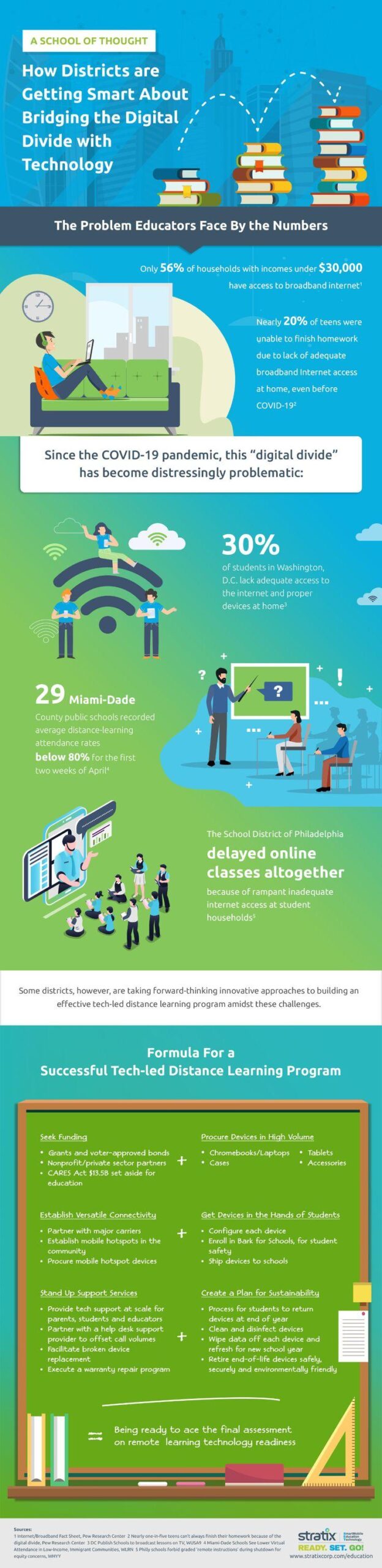
The digital divide remains a pressing issue worldwide, limiting access to technology and the internet for millions of peopel. In today’s interconnected era, digital inclusion is essential for education, economic opportunities, healthcare, and social participation. As a result, global initiatives are working tirelessly to bridge the digital divide, leveraging innovative strategies, dynamic partnerships, and cutting-edge technology. In this article, we’ll explore key strategies, highlight successful case studies, consider the benefits, and share practical tips for advancing digital inclusion.
Understanding the digital Divide
The digital divide refers to the gap between individuals, households, businesses, and geographic areas at different socioeconomic levels concerning opportunities to access details and interaction technologies (ICTs). This divide encompasses not only the availability of devices and connectivity but also disparities in digital literacy and skills.
- Access Divide: Lack of affordable and reliable internet infrastructure, especially in rural and underserved regions.
- Usage Divide: Differences in how various groups—such as the elderly or low-income populations—utilize digital resources.
- Quality Divide: Inadequate speeds, devices, or support services limit the effective use of connected technologies.
Bridging this gap is crucial for sustainable advancement and creating equitable opportunities worldwide.
Key Strategies for Bridging the Digital Divide
Various global initiatives employ diverse strategies to promote digital inclusion and bridge the digital divide. Below are some of the moast effective approaches:
1. Infrastructure Development
- Expanding Broadband Access: Investment in broadband networks through public-private partnerships to reach remote locations.
- Low-Orbit Satellite Internet: Projects like Starlink provide high-speed internet to areas previously inaccessible by customary cables.
- Community Wi-fi: Establishing free or low-cost Wi-Fi hotspots in schools, libraries, and public spaces boosts accessibility.
2. Digital Literacy and Education Programs
- Training Initiatives: Workshops and online courses help people build essential digital skills.
- Integrating ICT into Education: Schools incorporate digital literacy into curricula, ensuring future generations are digitally savvy.
- Mentoring and Support: Peer-led or intergenerational programs foster a supportive learning environment.
3. Device Accessibility
- Subsidized devices: Programs offering affordable smartphones, tablets, or laptops to disadvantaged groups.
- Device Recycling: donating refurbished technology to communities in need reduces electronic waste and improves access.
4. Policy Advocacy and Government Support
- Regulatory Reforms: Governments incentivize telecom providers to extend services to underserved regions.
- Universal Service Funds: National funds dedicated to ensuring everyone can access essential digital services.
5. Multi-Sector Partnerships
- Collaborative Solutions: Nongovernmental organizations, tech companies, and local communities join forces for greater impact.
- Global and Regional Initiatives: Programs like the Alliance for Affordable Internet (A4AI) and the UN’s Broadband Commission for Sustainable Development help coordinate efforts at scale.
benefits of Bridging the Digital Divide
- Economic Empowerment: Access to digital tools enables entrepreneurship, job opportunities, and economic growth.
- Improved Education: E-learning platforms and digital resources enhance educational outcomes and lifelong learning.
- Healthcare Access: Telemedicine and online health resources improve healthcare delivery,especially in rural areas.
- Social Inclusion: Marginalized groups gain a stronger voice and sense of community through online engagement.
- Civic Participation: Greater access to information boosts political awareness and participation in democratic processes.
Global Success Stories: Bridging the Digital Divide in Action
One Laptop per child (OLPC): Empowering Education in Developing Nations
The One Laptop per Child (OLPC) initiative distributed more than 3 million rugged, low-cost laptops to children in over 60 countries. The project focused on providing not just devices but also open-source educational content, teacher training, and community support. Success in Peru and uruguay demonstrates that, with the right infrastructure and follow-up, digital tools can dramatically enhance learning outcomes and student engagement.
Google’s Internet Saathi: Empowering Rural Women in India
Launched in partnership with Tata Trusts, Internet Saathi trained over 30 million rural Indian women to use the internet. Through a “train the trainer” model,women who completed the program became local digital ambassadors,multiplying the impact within their communities. This initiative helped thousands access government services,online education,healthcare,and job opportunities.
Project Loon: Balloon-Powered Internet in Disaster Zones
Project Loon, now part of Google’s parent company Alphabet, used high-altitude balloons to provide internet access in disaster-stricken and remote areas. In 2017, Loon delivered emergency connectivity to over 200,000 people in Puerto Rico after Hurricane Maria—highlighting the potential of innovative technology to bridge the digital divide rapidly in crisis situations.
Kenya’s Digital Literacy Programme (DLP)
The Digital Literacy Programme in Kenya distributed over one million tablets to public primary schools, trained 90,000 teachers, and improved classroom connectivity. The program’s holistic approach—combining devices, training, and infrastructure—ensured that technology became a core part of students’ daily learning, narrowing urban-rural gaps in digital education.
first-Hand Experiences: Transforming Lives Through Digital Inclusion
“With my new smartphone and free Wi-fi at the community center, I completed an online computer course. Now I help neighbors set up their email and access government services. The internet isn’t just a luxury—it’s a lifeline.”
– Maria Gonzales, Community Digital Ambassador, Colombia
“After Hurricane Maria, we had no way to contact loved ones untill Project Loon balloons restored our connection. It was a turning point for our whole community.”
– Jorge rivera, Community Leader, Puerto Rico
Challenges and Best Practices in Digital Inclusion
Persistent Barriers
- Affordability: Ongoing costs of devices and connectivity can be prohibitive.
- Digital Literacy Gaps: Age, language, and literacy levels can limit adoption.
- Cultural Factors: Social norms and local contexts may affect technology uptake—especially for women and marginalized groups.
- Maintenance & Sustainability: Tech projects must plan for long-term support, upgrades, and community ownership.
Best Practices
- Engage Local Stakeholders: Collaborate with community leaders to build trust and relevance.
- Targeted Training: Offer ongoing, context-aware training that evolves with users’ needs.
- leverage Partnerships: Combine resources and expertise for scalable, sustainable solutions.
- Monitor and Adapt: regularly assess impact and refine strategies for continuous betterment.
How You Can Get Involved
- Volunteer with digital literacy organizations or become a digital ambassador in your community.
- support device recycling programs by donating old technology.
- Advocate for affordable internet access in your region and participate in public policy discussions.
- Promote inclusive design and accessible content in your own digital projects or businesses.
Conclusion: The Path Forward
Bridging the digital divide is more than just a technical challenge—it’s a social imperative. Global initiatives, innovative strategies, and community-driven action are making significant progress, but much work remains. By providing equitable access, fostering digital skills, and nurturing sustainable infrastructure, we can unlock the full potential of digital inclusion for all.
Together, let’s continue to champion digital equity—ensuring that every individual, irrespective of location or circumstance, has the opportunity to thrive in the digital age.