
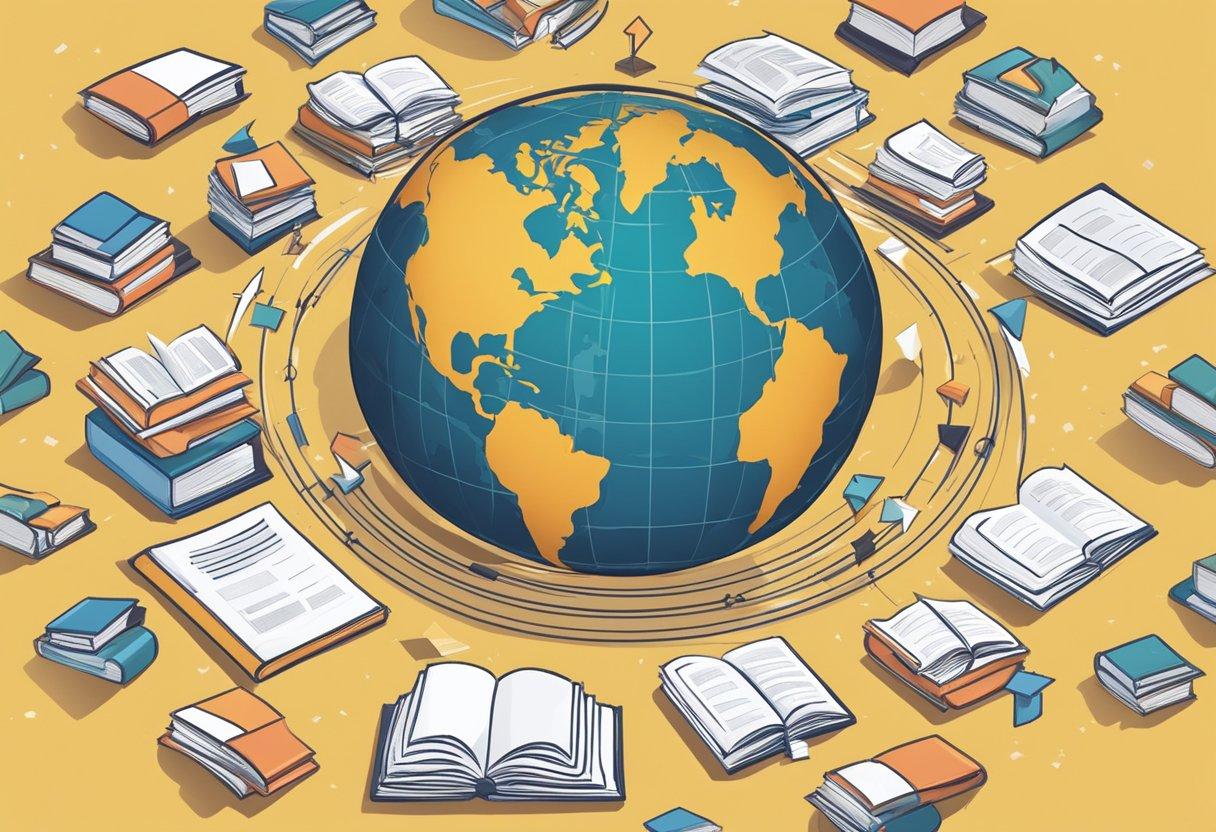
Global Policies shaping the Future of Education: Key Changes and Emerging Trends
Education is evolving at an unprecedented pace, fueled by rapid technological advancements, pressing global challenges, and a growing emphasis on inclusivity and lifelong learning. As nations seek to prepare future generations for a complex, interconnected world, global education policies are transforming curricula, pedagogy, and access. In this in-depth article, we explore the global policies shaping the future of education, highlight key changes, examine emerging trends, and offer insight into what these mean for learners, educators, and policymakers alike.
Why Are Global Education Policies So Crucial?
Education policies set at the global and national level direct the educational priorities, funding, and strategies of countries worldwide. their influence stretches from early childhood education to higher education reform and workforce progress. These policies are crucial for:
- Ensuring equitable access to quality education for all.
- Promoting innovation and adaptability in curricula.
- Fostering critical 21st-century skills such as digital literacy, creativity, and problem-solving.
- Addressing global challenges like climate change, gender equality, and economic disparity.
Key Changes in Global Education Policy
Over the past decade, several transformative changes in global education policy have emerged. Here are some of the most influential shifts:
1. Digital Transformation and EdTech Integration
The COVID-19 pandemic dramatically accelerated the adoption of digital learning worldwide. Today, policies increasingly aim to:
- Promote universal access to affordable broadband and digital devices.
- Integrate EdTech tools such as virtual classrooms, AI-driven learning platforms, and gamified educational software.
- Train teachers in digital pedagogy and cybersecurity awareness.
- Bridge the digital divide, especially in low-income and rural areas.
2. Prioritizing Inclusive and Equitable Education
Inclusive policies are designed to ensure that all students, nonetheless of background or ability, receive a quality education. Policymakers are focusing on:
- Addressing gender disparities and promoting girls’ education.
- Supporting learners with disabilities through accessible curricula and assistive technologies.
- Creating safe and non-discriminatory learning environments.
- Implementing anti-bullying and mental health initiatives.
3. Emphasis on Lifelong Learning and Skills Development
With the global workforce evolving rapidly, education systems are shifting to promote lifelong learning. Key actions include:
- Encouraging upskilling and reskilling at all life stages.
- Fostering entrepreneurial and digital skills to meet labor market needs.
- Promoting vocational and technical education alongside traditional pathways.
4. Focus on Sustainable Development and global Citizenship
UNESCO’s Education for Sustainable Development (ESD) initiative and other international frameworks emphasize embedding sustainability and global citizenship into curricula. Policies now support:
- Teaching climate literacy and environmental stewardship.
- Promoting cultural awareness and respect for diversity.
- Encouraging civic participation and responsible digital citizenship.
Emerging Education Trends Influenced by Global Policies
As a result of these policy shifts, several innovative trends are shaping the future of education worldwide:
Personalized learning Paths
Adaptive learning technologies and competency-based education are enabling highly individualized learning experiences, allowing students to progress at their own pace and according to their unique interests and strengths. This approach supports both academic excellence and equity.
hybrid and Blended Learning Models
The adaptability of mixing online and face-to-face learning is now a central feature of modern education policies, enhancing engagement and accessibility for diverse student populations.
Microcredentials and Alternative Certification
Governments and educational institutions are increasingly recognizing the value of short, targeted learning experiences—such as microcredentials and digital badges—for workforce development and career advancement.
Holistic Well-being and Social-Emotional Learning
Policies now recognize the importance of nurturing not just cognitive skills, but also students’ mental health, emotional intelligence, and resilience. This holistic approach underpins student success, both academically and in life.
Case Studies: Policy Implementation in action
To better understand how these global policies are applied, let’s look at a few case studies:
Finland: Championing Equity and Student well-being
Finland’s emphasis on equal educational opportunities and minimal standardized testing has made it a model for inclusive and student-centered education. The Finnish government’s investment in teacher training and holistic curricula has achieved consistently high performance and well-being outcomes.
Singapore: Future-Ready Skills and Lifelong Learning
Singapore’s SkillsFuture initiative encourages citizens to continually update their skillsets through a mix of government-funded courses and industry-specific programs. this robust national policy keeps Singapore competitive and ready for the digital economy.
Rwanda: Harnessing edtech for rural Inclusion
Rwanda’s Smart Classroom project aims to bridge the digital divide in rural communities by providing laptops, internet access, and digital teacher training.This initiative demonstrates how targeted policies can support digital literacy and equalize learning opportunities.
Benefits of Evolving Education Policies
- Greater Flexibility: Personalized and hybrid learning respects diverse needs and learning styles.
- Global Competence: Students graduate with the skills to navigate a multicultural, interconnected world.
- Economic Resilience: Lifelong learning prepares individuals for rapidly changing job markets.
- Social Inclusion: Marginalized groups receive more support, improving social cohesion and equality.
- Environmental Awareness: Sustainable development education creates more responsible global citizens.
Practical Tips for Educators, Parents, and Policymakers
- stay Informed: regularly review global policy updates from UNESCO, OECD, and national education authorities.
- Embrace Technology: Support the meaningful integration of EdTech tools in instruction and assessment.
- Promote Inclusivity: Advocate for accessible learning materials and differentiated instruction.
- Collaborate: Foster partnerships across borders to share resources, strategies, and innovations.
- Prioritize Well-being: Address students’ social and emotional needs alongside academic goals.
Conclusion: The Road Ahead for Global Education
As we navigate the rapidly changing landscape of global education, proactive and inclusive policies are more important than ever. By focusing on digital transformation, inclusivity, sustainability, and lifelong learning, policymakers and educators can create resilient education systems primed for the future. The emerging trends in education policy are not just reshaping classrooms—they’re redefining what it means to learn and thrive in a global society. By staying informed and engaged,we can all contribute to a brighter,more equitable future for learners everywhere.
For more insights on global education trends and policy updates, subscribe to our newsletter or follow us on social media.