
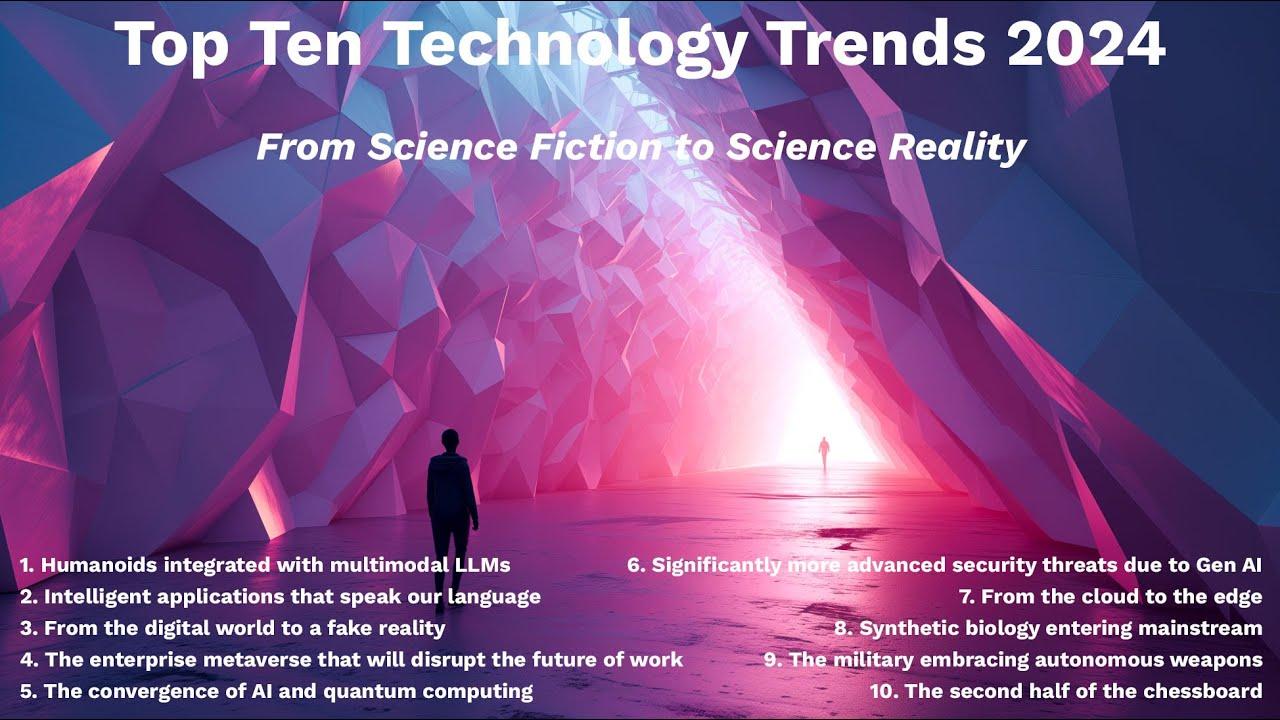
Global Policies Shaping the Future of Education: Key Trends and Impacts for 2024
Education is the cornerstone of global progress,and as we venture into 2024,new policies and strategic frameworks are driving transformative change in classrooms worldwide. From integrating Artificial intelligence (AI) to prioritizing equity and digital inclusion, global education policies are evolving rapidly to address emerging challenges and opportunities. In this in-depth article, we explore the most influential policies shaping the future of education, key trends, practical impacts, and what educators, students, and policymakers can expect in the year ahead.
Key Global Education Policy Trends in 2024
International cooperation and national strategies are at the forefront, addressing the swiftly changing educational landscape. Below, we review the primary policy trends transforming the future of education:
- Digital Transformation and EdTech Integration
- Enhancing Equity and Inclusion
- Focus on lifelong Learning and Skills Progress
- Global Citizenship and Sustainability Education
- emphasis on Well-being and Mental Health
- Data-Driven Decision Making
1. Digital Transformation and EdTech Integration
The global shift to online learning, accelerated by the COVID-19 pandemic, continues to shape education in 2024. Digital transformation in education is now a policy priority in most countries, focusing on:
- Nationwide device and connectivity programs to ensure all students have access to digital learning resources.
- Mandatory digital literacy curricula, fostering student and teacher capability with emerging technologies.
- Incentivizing development and adoption of AI-driven learning platforms for personalized, adaptive education.
- Teacher upskilling initiatives, equipping educators for hybrid and remote teaching models.
For example, the European Union’s Digital Education Action Plan and UNESCO’s capacity-building strategies are helping member states foster safe, inclusive, and high-quality digital learning environments.
2. Enhancing Equity and Inclusion in Education
Closing the global education equity gap remains central in 2024 policy agendas. Key measures include:
- Targeted investment in marginalized communities, rural areas, and refugee populations.
- Promoting gender equality and supporting access to education for girls and women.
- Accessible infrastructure for students with disabilities.
- Multilingual learning resources and culturally responsive pedagogy.
Case in Point: The Global Partnership for Education (GPE) continues to support low-income countries with funding and guidance, ensuring that no learner is left behind.
3. Lifelong Learning and Skills Development for the Future Workforce
With automation and rapid technological change, education systems are turning to lifelong learning frameworks. In 2024, global policies emphasize:
- Early integration of STEM and digital skills in primary and secondary curricula.
- expansion of flexible adult education and micro-credentialing pathways.
- Public-private partnerships focused on workforce readiness, reskilling, and upskilling.
- Greater alignment of vocational education and training (VET) with future job markets.
This shift ensures that learners of all ages acquire in-demand skills for the digital economy, helping to reduce unemployment and underemployment.
4. Global Citizenship and Sustainability Education
Policymakers worldwide are integrating the UN Sustainable Development Goals (sdgs) into educational frameworks. Key 2024 trends include:
- Embedding climate education and sustainability in national curricula.
- Promoting global citizenship, intercultural understanding, and civic responsibility.
- Cross-border collaborations to address shared environmental and social challenges through education.
Case study: The UNESCO Associated Schools Network connects over 12,000 institutions globally, promoting education for sustainable development and peace.
5. Prioritizing Student Well-being and Mental Health
The ongoing impact of pandemics, social instability, and climate crises has prompted governments to embed mental health and well-being policies into education:
- Designating mental health education as a core curriculum component.
- Increasing funding for school counselors and psychological services.
- Promoting safe,inclusive,and supportive learning environments.
- Offering professional development on trauma-sensitive teaching.
This holistic approach helps students build resilience and thrive academically and personally.
6. Data-Driven Policy Making in Education
Advanced analytics, AI, and big data are enabling evidence-based education policy. Governments and institutions are:
- Using data to measure student outcomes, identify gaps, and tailor interventions.
- Adopting transparent reporting systems to drive accountability.
- Balancing data-driven decision-making with the privacy and ethical considerations.
These policies ensure smarter allocation of resources and continuous enhancement of education systems worldwide.
Benefits of Global Education Policy Trends
- Greater Accessibility: More students can access quality education regardless of location or background.
- Increased Personalization: EdTech and data-driven teaching adapt learning experiences to individual needs.
- Better Job Readiness: Skills-focused curricula prepare learners for the demands of the modern workforce.
- Holistic Development: fostering mental, emotional, and social well-being alongside academic achievement.
- Advance Sustainable societies: Informed, globally-aware citizens equipped to tackle pressing world issues.
Practical Tips for Navigating Global Education Trends in 2024
- Stay Updated: Follow reputable educational organizations (e.g., UNESCO, OECD, UNICEF) for the latest policy insights.
- Foster Digital Skills: Engage in professional development or online courses to build digital competence as an educator or student.
- Promote Inclusivity: Design learning environments and resources accommodating diverse needs and backgrounds.
- prioritize Well-being: Integrate well-being activities into daily routines and seek support when needed.
- Encourage Lifelong Learning: Pursue micro-credentials, workshops, or new skills, adapting to a changing job market.
Global education Policy in Action: Case Studies
Finland: Pioneering Equity and Personalized Learning
Finland’s progressive policies offer universal access to high-quality education, low-stakes assessments, and robust teacher training, resulting in some of the world’s highest educational outcomes and student satisfaction rates.
India: National Education Policy (NEP) 2020
The NEP 2020 is driving sweeping reforms—emphasizing early childhood education, digital literacy, multidisciplinary learning, and a flexible higher education ecosystem—potentially impacting over 250 million schoolchildren.
Rwanda: Digital Transformation for All
Rwanda’s “Smart Classroom” initiative deploys solar-powered computer labs in rural areas, bridging the digital divide and empowering thousands of students with 21st-century skills.
Conclusion: The Road Ahead for Education in 2024 and Beyond
Global education policies are not just reshaping curricula—they are redefining how, where, and why we learn. In 2024, the strategic focus on digital transformation, equity, skills development, sustainability, and well-being ensures a more inclusive and future-ready educational landscape. As policymakers,educators,parents,and students adapt to these powerful trends,collaboration and innovation will be key to unlocking the full promise of education—for individuals and societies worldwide.
Stay informed, adaptable, and engaged—because the future of education is being written today.