
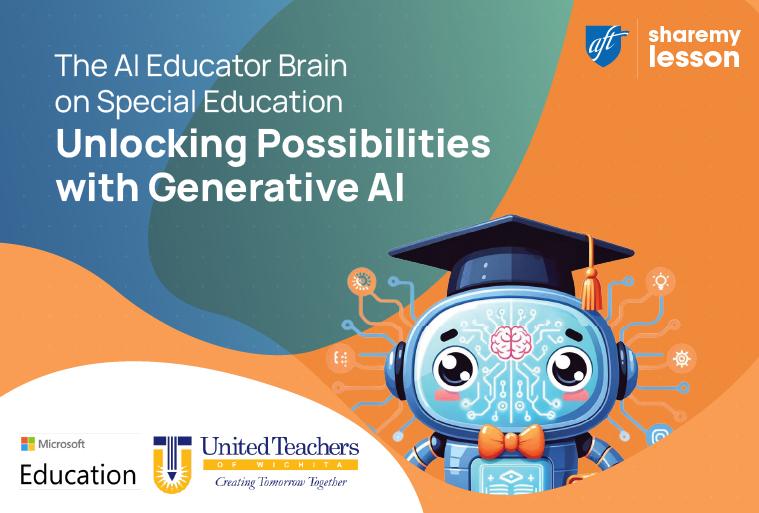
Harnessing AI to Bridge teh Gap in Special Education Needs: Transforming Learning for All
Special Education Needs represent a diverse spectrum, ranging from learning disabilities and autism spectrum disorders to physical and sensory impairments. For decades, educators and families have sought effective, inclusive learning environments tailored to the unique requirements of each student. Today, Artificial Intelligence (AI) stands at the forefront, offering innovative solutions that revolutionize the special education landscape. In this article,we explore the profound ways in which harnessing AI in special education transforms learning,closes gaps,and empowers all learners.
Understanding Special Education Needs and the Existing Challenges
Meeting special education needs (SEN) often involves important challenges:
- Diverse Learning Profiles: Each learner’s capabilities, strengths, and challenges are unique, necessitating personalized support.
- Resource Constraints: Many schools face limited access to trained specialists, assistive technologies, and adaptive materials.
- Assessment difficulties: Accurately identifying students’ needs and tracking progress can be time-consuming and imprecise with traditional methods.
- Inclusion barriers: Ensuring social and academic inclusion for SEN students in mainstream classrooms can be complex.
Addressing these challenges requires flexible, scalable, and data-driven solutions — a space where AI in education is making dramatic strides.
The Transformative Power of AI in Special Education
Artificial Intelligence technology is fundamentally reshaping how educators approach Special Educational Needs. Here’s how AI-driven special education solutions are making a difference:
- Adaptive Learning Platforms: AI algorithms can personalize digital content, activities, and assessments based on individual progress, ensuring students with SEN work at the right pace and complexity.
- Speech and Language Processing: AI-powered tools convert speech to text,offer real-time translations,and generate augmentative interaction supports for students with speech or language impairments.
- Assistive Technologies: AI-driven devices—such as smart readers, gaze-tracking software, or predictive text tools—empower students with physical or sensory disabilities to access learning content independently.
- behavioral Analytics: Machine learning systems identify patterns and triggers for challenging behaviors,supporting proactive,positive behavioral interventions.
- Automated Assessment and Progress Monitoring: AI seamlessly tracks skill growth and knowledge gaps, providing actionable insights for educators and families.
Key Benefits of Harnessing AI for Special Education Needs
As AI integrates more deeply into classrooms, teachers, students, and families report a range of special education benefits. Here are some of the most impactful:
- Personalized Learning Journeys: AI tailors content to each student’s unique needs and abilities, boosting engagement and understanding.
- Rapid Identification & Intervention: Early warning analytics flag learning gaps or behavioral concerns, allowing prompt support and adjustment.
- Expanded Accessibility: Children with visual, auditory, or motor impairments gain equal access to classroom materials through AI-powered assistive tools.
- Teacher Empowerment: Automation of routine assessments and progress monitoring frees educators to focus on creative, high-impact support.
- Data-Driven Decision Making: Precise and ongoing data allow for evidence-based instruction and individualized education plans (IEPs).
Case Studies: Real-World Impact of AI in Special Education
1. AI-Powered Reading Assistance: The Story of Read&Write
Read&Write is a literacy support tool powered by AI, used widely in schools across the globe. For students with dyslexia or other reading challenges,it provides text-to-speech,word prediction,and phonetic spell checking. Schools utilizing Read&Write have reported increased reading fluency, confidence, and classroom participation among SEN students, especially in inclusive settings.
2. Autism Support with AI Communication Tools
AI-driven communication apps, such as Proloquo2Go, leverage predictive language modeling and personalized image suggestions. In classrooms using these tools, non-verbal and minimally verbal autistic students demonstrate greater independence and improved expressive communication — considerably bridging the communication gap.
Practical Tips for Integrating AI into Special Education
Best Practices to Maximize AI Benefits in Special Ed Classrooms
- Align Tools with IEP Goals: Select AI tools that address documented objectives on each student’s Individualized Education Plan.
- Ensure Accessibility: Choose software with strong accessibility features (e.g., screen readers, switch access, customizable interfaces).
- Prioritize Data Privacy: Ensure chosen platforms comply with local and international data protection laws (like GDPR or FERPA).
- Empower Teachers through Training: Provide ongoing professional development on using AI technologies effectively.
- Promote collaboration: Involve caregivers, therapists, and students in selecting and reviewing AI tools to foster engagement and transparency.
- Monitor & Review impact: Regularly evaluate the impact of AI tools on learning outcomes and emotional wellbeing; be ready to adapt as necessary.
First-Hand Experience: What Educators and Students Are Saying
“Integrating AI into our resource room has not only freed up time I spent creating and grading materials, but it’s also enabled my students to work at their own pace, with positive and immediate feedback. I’ve seen children who once struggled now confidently participate in mainstream activities.”
– Sara K., special Education Teacher
“Using the AI speech output device in class means I can tell my friends and teacher how I feel without always needing an aide to help. It lets me be a part of every lesson.”
– Michael, Grade 3 Student with Cerebral Palsy
Looking forward: The Future of AI in Special Education needs
As technology evolves, the capabilities of AI in special education will continue to expand:
- Emotion Recognition: Future AI systems may recognize emotional states, providing real-time social-emotional supports.
- Virtual Reality Integration: Combining AI with VR can deliver immersive therapeutic and learning experiences tailored to individual needs.
- Simplified IEP Management: Advanced AI will further streamline administrative tasks,allowing educators to dedicate more time to student engagement.
- Greater Inclusivity: AI-powered translation and sign language recognition tools will make globally connected, multilingual classrooms a practical reality for all learners.
Though, the future must balance innovation with ethics—ensuring AI remains transparent, inclusive, and prioritizes student dignity and data privacy.
Conclusion
Harnessing AI to bridge the gap in special education needs is more than an educational trend—it’s a transformative movement. From boosting accessibility to enabling dynamic, personalized learning, AI-driven solutions empower teachers and unlock new opportunities for students who once faced insurmountable barriers. The path forward is one of meaningful collaboration between technology developers, educators, families, and students.With thoughtful integration and ongoing evaluation, AI in special education truly has the power to transform learning for all.
Are you ready to explore the future of special education? Embrace AI-powered tools and join the journey towards more inclusive, equitable learning environments—where every learner can thrive.