
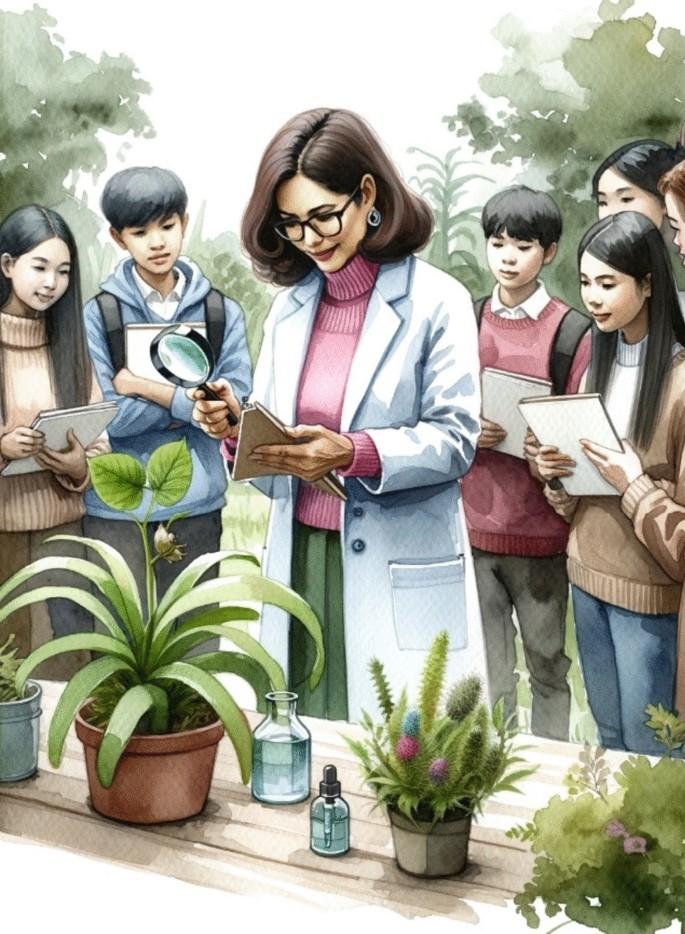
Harnessing EdTech for Environmental Education: innovating learning at the Intersection of Technology and Sustainability
Introduction
In an era of rapid technological advancement and growing environmental challenges, the fusion of education technology (EdTech) and environmental education offers unparalleled opportunities. By harnessing the power of digital tools, educators and learners can deepen their understanding of sustainability, foster environmental stewardship, and inspire action toward a greener future. This article explores the transformative role of EdTech in environmental education, its benefits, practical strategies for implementation, and compelling case studies from around the world.
What is EdTech and Environmental Education?
Defining Key Concepts
- EdTech (Education Technology): The integration of digital technologies, online platforms, and interactive software into teaching and learning processes.
- Environmental Education: An interdisciplinary field focused on raising awareness, knowledge, and skills related to environmental issues and sustainability.
The intersection of EdTech and environmental education describes the use of digital tools—such as virtual reality, gamification, and data visualization—to enhance understanding and encourage positive environmental action.
Benefits of Harnessing EdTech for Environmental Education
Leveraging EdTech in environmental education unlocks distinct benefits that enhance both teaching efficacy and learner engagement:
- Enhanced Engagement: Interactive simulations, multimedia content, and collaborative platforms make learning about sustainability more compelling and memorable.
- Real-Time Data Access: access to up-to-date environmental data enables students to analyze and understand pressing issues like climate change, pollution, and biodiversity.
- Global Collaboration: Cloud-based tools and virtual classrooms connect learners and educators worldwide, encouraging multicultural perspectives on sustainability.
- Scalable Solutions: EdTech platforms can reach thousands of students regardless of geographical barriers, promoting inclusive environmental education.
- Personalized Learning Experiences: Adaptive technologies tailor educational content to individual learning styles and speeds.
- Inspiring Action: Gamification and challenge-based learning motivate learners to adopt sustainable behaviors and participate in environmental initiatives.
Innovative EdTech Tools Transforming Sustainability Learning
Popular Tools and Technologies
- Virtual Reality (VR) and Augmented Reality (AR): Immersive experiences that let students “visit” endangered ecosystems, participate in conservation projects, or visualize the impact of climate change.
- Learning Management Systems (LMS): Platforms like Moodle, Canvas, and Google Classroom streamline course content delivery and foster discussion on sustainability topics.
- Gamified Apps: Educational games such as ecochallenge or TrashBlitz promote eco-friendly habits through fun, interactive competition.
- Data Visualization Tools: Access to live environmental data, such as global CO2 levels or real-time deforestation maps, engages students in analytical thinking.
- Online Field Trips and Citizen Science Platforms: Tools like National Geographic’s Explorer Classroom or iNaturalist enable experiential learning beyond the traditional classroom.
- Artificial Intelligence (AI): AI-driven recommendations suggest personalized learning paths and offer instant feedback on sustainability quizzes and assignments.
Practical Tips for Educators: Integrating EdTech into Environmental Education
Bringing EdTech into environmental education doesn’t have to be daunting. Here are effective strategies for teachers and institutions:
- Start small: Begin by incorporating short interactive videos,eco-themed quizzes,or discussion forums into existing lesson plans.
- Foster Inquiry-Based Learning: Use digital simulations to encourage students to investigate environmental challenges and propose data-driven solutions.
- Encourage Collaborative Projects: Assign cross-school or even international group work via cloud-based platforms to address sustainability topics.
- Leverage Open Educational Resources (OER): Utilize free and accessible content, such as the united Nations Sustainable Development Goals (SDG) resources, for a global outlook.
- Assess Real-World Impact: Assign projects that require students to apply their learning within their communities, tracking impact using digital reporting tools.
- Prioritize Digital Literacy: Teach responsible technology use alongside environmental literacy to foster holistic 21st-century skills.
Case Studies: EdTech and Sustainability in Action
Case Study 1: “Eco-Schools and digital Learning in Europe”
The Eco-Schools program, present in more than 60 countries, blends blended learning (in-person and online) with interactive eco-challenges. Through gamified modules, students track water usage, perform energy audits, and share their findings on digital dashboards. Schools report increased eco-literacy and measurable reductions in waste.
Case Study 2: “Virtual Field trips – Exploring the Amazon Rainforest”
Using Google Expeditions and VR headsets, classrooms travel “virtually” to the Amazon. Students observe deforestation patterns, interact with local conservationists via livestream, and document their insights on collaborative blogs.Post-program surveys reveal important gains in environmental empathy and awareness.
Case Study 3: “Citizen Science and Local action”
Platforms such as iNaturalist empower students to participate in biodiversity surveys by sharing geo-tagged photos with a global scientific community. Schools have launched prosperous conservation campaigns informed by real data, turning learning into tangible action.
First-Hand Experiences: Voices from Educators and Students
“Integrating digital storytelling and climate data visualization has brought my environmental science curriculum to life. Students are not just passive recipients—they become advocates for sustainability.”
— Sarah,High School Teacher,UK
“Our virtual field trip allowed me to explore coral reefs and understand the fragility of marine life. It inspired me to organize a local beach clean-up!”
— Priya, Grade 10 Student, India
the Future: Building Resilient Generations Through EdTech & Sustainability
As environmental challenges intensify, the synergy between EdTech and sustainability education is more crucial than ever. the future lies in adaptive learning systems, AI-driven eco-coaching, and global collaborations where students become inventors and champions of sustainable solutions. Emerging technologies such as internet of Things (IoT) sensors and blockchain for ecological transparency are reshaping how we think about and act on environmental issues.
By embedding sustainability at the heart of digital learning, educators empower the next generation to think critically, act ethically, and innovate boldly for planetary well-being.
Conclusion
Harnessing EdTech for environmental education is no longer a forward-thinking option—it’s an imperative for nurturing eco-conscious citizens and ensuring a sustainable future. By leveraging innovative technologies, educators and learners can bridge geographical divides, personalize learning, and transform awareness into meaningful action. Whether you’re an educator, student, or policy-maker, embracing the intersection of technology and sustainability promises a brighter, greener tomorrow for all.