
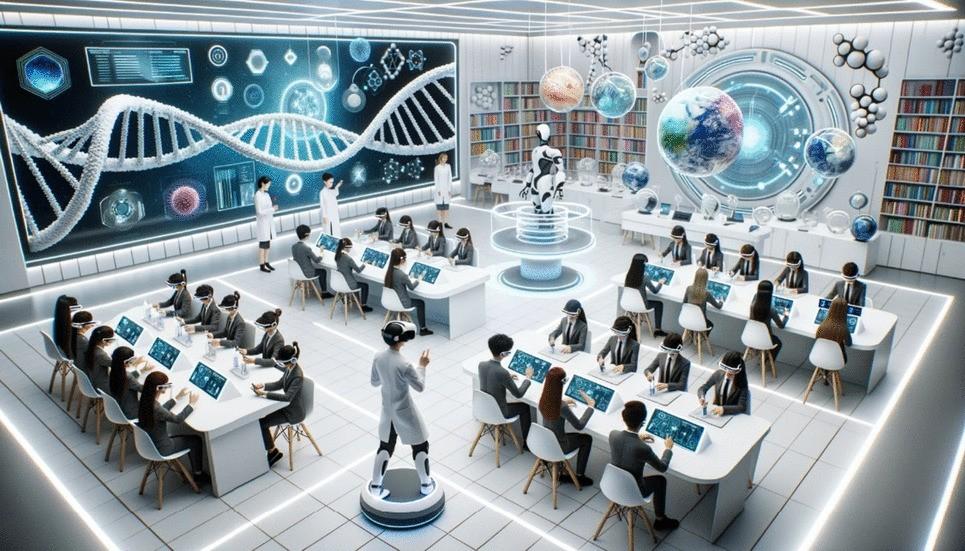
Harnessing EdTech for Environmental Education: Innovations at the Crossroads of Learning and Sustainability
In a rapidly evolving digital landscape, Educational Technology (EdTech) has emerged as a powerful catalyst reshaping how we learn and interact with data.At the intersection of technology and sustainability lies a burgeoning movement: harnessing EdTech to advance environmental education. By integrating digital tools, interactive platforms, and immersive technologies, educators are now transforming traditional environmental lessons into engaging, actionable learning experiences. In this complete article, we’ll explore how EdTech is driving innovative sustainability education, its benefits, standout case studies, and practical tips for educators eager to make a real difference.
Why EdTech Matters for Environmental Education
Environmental challenges such as climate change, deforestation, pollution, and resource depletion demand urgent attention — and informed action from future generations. Traditional education methods often struggle to keep pace with the dynamic and complex nature of environmental issues.EdTech for environmental education bridges this gap by making learning interactive, contextual, and globally connected. Here’s why EdTech holds promise:
- Accessibility: Digital platforms make environmental resources available to students irrespective of their location, including remote or underserved areas.
- Engagement: Interactive simulations,gamified lessons,and multimedia content capture students’ interest,turning passive learning into active exploration.
- Real-Time Data: Students access up-to-date ecological data, fostering data literacy and real-world problem-solving skills.
- Personalized Learning: Adaptive technology caters to different learning styles,ensuring everyone can grasp complex sustainability topics at their own pace.
The Evolution of EdTech Tools in Sustainability Education
From simple online quizzes to cutting-edge augmented reality (AR) and virtual reality (VR) experiences, the EdTech ecosystem for environmental education is thriving. The most impactful tools and platforms include:
- Eco-Game Platforms: Games like Eco and simcityedu immerse students in ecosystems where their choices affect the environment. These scenarios teach consequences of unsustainable actions in a safe, virtual space.
- Interactive Simulations: platforms such as PhET Interactive Simulations let learners visualize climate processes, carbon cycles, and ecosystem dynamics interactively.
- Remote Sensing and GIS Applications: Tools like ArcGIS Online and Google Earth Engine let students analyse satellite imagery and track environmental change globally.
- Online Collaboration Hubs: Platforms like iNaturalist enable global citizen science projects and peer-to-peer knowledge sharing.
- Mobile Apps: Apps such as Earth Hero and JouleBug motivate learners to track and reduce their environmental impact in daily life.
- Augmented and Virtual Reality: Experiences like Cleanopolis VR immerse users in environmentally themed missions and simulations, nurturing empathy and deeper understanding.
Benefits of Integrating EdTech in Environmental Education
When deployed purposefully, EdTech brings unique advantages to sustainability education:
- Inspires learner Engagement: Gamification and visual modeling boost motivation, making even the most complex topics approachable and memorable.
- Fosters Critical Thinking: Interactive case studies and simulations encourage learners to analyze data, assess outcomes, and propose solutions to real-world environmental problems.
- Facilitates Collaboration: Global classrooms and citizen science foster a sense of shared responsibility and cross-cultural understanding of sustainability.
- Promotes Action: Task-based apps and challenges bridge theory and practical action, urging learners to adopt eco-kind behaviors.
- Inclusivity: Tools with text-to-speech, translations, and alternative formats ensure all learners can participate in environmental education, regardless of ability or language proficiency.
Innovative Case Studies: EdTech Transforming sustainability Learning
To understand the transformative power of EdTech in environmental education, let’s spotlight a few real-world success stories:
1. The GLOBE Program: Citizen Science Meets Remote Sensing
The GLOBE Program is a worldwide science and education initiative that leverages EdTech to connect students and teachers globally. Armed with digital sensors and online data portals, students collect and analyze local environmental data (soil, water, air, and phenology) and compare findings across continents.this hands-on, tech-powered citizen science fosters data literacy and global collaboration.
2. WWF’s Wild Classroom: Blended Multimedia for Conservation
WWF’s Wild Classroom delivers free digital toolkits, video content, and interactive quizzes on biodiversity and conservation. By blending multimedia with real-world examples, educators keep sustainability topics relevant and impactful for learners of all ages.
3. iNaturalist: Global Biodiversity Mapping Through App-Based Learning
iNaturalist empowers students to catalog local flora and fauna via mobile devices, contributing to a global database on biodiversity. The gamified platform boosts STEM engagement and nurtures digital skills in ecological research.
4. Climate Interactive’s En-ROADS Simulator
En-ROADS enables students and policymakers alike to test policies for mitigating climate change using real data and instantly visualized outcomes. The user-friendly dashboard demystifies complex climate science and policy-making, empowering learners to explore the impact of decisions on global warming.
First-Hand Experiences: educators on the Frontlines
Educators worldwide are witnessing remarkable shifts thanks to EdTech-driven environmental education. Here are some insights shared by teachers and e-learning specialists:
-
Maryam, High School science Teacher (Kenya):
“Using Google Earth and virtual field trips, my students can ‘visit’ rainforests and polar regions, making distant ecosystems real and immediate. Digital storytelling brings environmental science to life in a way textbooks never could.”
-
Carlos, University Lecturer (Brazil):
“Integrating simulation software into climate change modules allowed students to experiment, predict, and strategize in a risk-free environment. The result? Higher engagement and deeper understanding of both the problems and potential solutions.”
-
emily, Environmental Education Coordinator (USA):
“Partnering with local environmental organizations and leveraging virtual collaboration tools, we run international projects where students address real city challenges—like waste management—using data analytics and design thinking.”
Practical Tips: Maximizing EdTech’s Impact in sustainability Education
Ready to integrate EdTech into your environmental education curriculum? Here are practical steps for educators and institutions:
- Start Small: Pilot one digital platform or tool before scaling. Choose those aligned with your learning objectives and student age group.
- Leverage open Educational Resources: Explore free, reputable platforms such as Khan Academy, NASA Earth Science, and National Geographic Education.
- Facilitate Collaborative Projects: Encourage group assignments leveraging cloud-based tools (e.g., Google Docs, Padlet) and international partnerships.
- Provide Digital Literacy Training: Ensure both students and educators are agreeable with new technologies before deep integration.
- Link Theory to Action: Assign tasks and challenges (like home energy audits or biodiversity mapping in local parks), reinforced through digital tracking and reflection activities.
- Continuously Evaluate & Adapt: Use analytics and student feedback to iterate and improve your approach, keeping lessons both effective and relevant.
WordPress CSS Styling Tips for Green-Themed EdTech Content
For those running educational websites or blogs, incorporating green-themed CSS can subtly reinforce your commitment to sustainability.Here are a few CSS snippets you could use in your WordPress theme’s customizer:
/* Green callout box */
.green-callout {
background-color: #e3f7e8;
border-left: 5px solid #44b78b;
padding: 1em;
margin: 1.5em 0;
border-radius: 6px;
}
/* Eco-themed button */
.eco-btn {
background: linear-gradient(90deg, #44b78b 0%, #a2e17c 100%);
color: #fff;
padding: 0.8em 1.5em;
border: none;
border-radius: 30px;
font-weight: bold;
transition: background 0.3s;
}
.eco-btn:hover {
background: #356c54;
}
/* Use in your post as:Eco message!*/
Conclusion: Building a Greener Future Through Digital Learning
The synergy between EdTech and environmental education is unlocking new pathways for awareness, action, and innovation. By embracing digital tools and strategies, educators not only make sustainability learning more attractive but also empower students to become informed, passionate stewards of our planet. As environmental challenges grow in urgency, the integration of purpose-driven technology in classrooms and communities worldwide is no longer optional—it’s essential.
If you’re ready to harness the power of EdTech for sustainability, start today. Experiment, adapt, and inspire. The future of our world depends on the next generation’s ability to learn, connect, and lead—digitally and sustainably.