
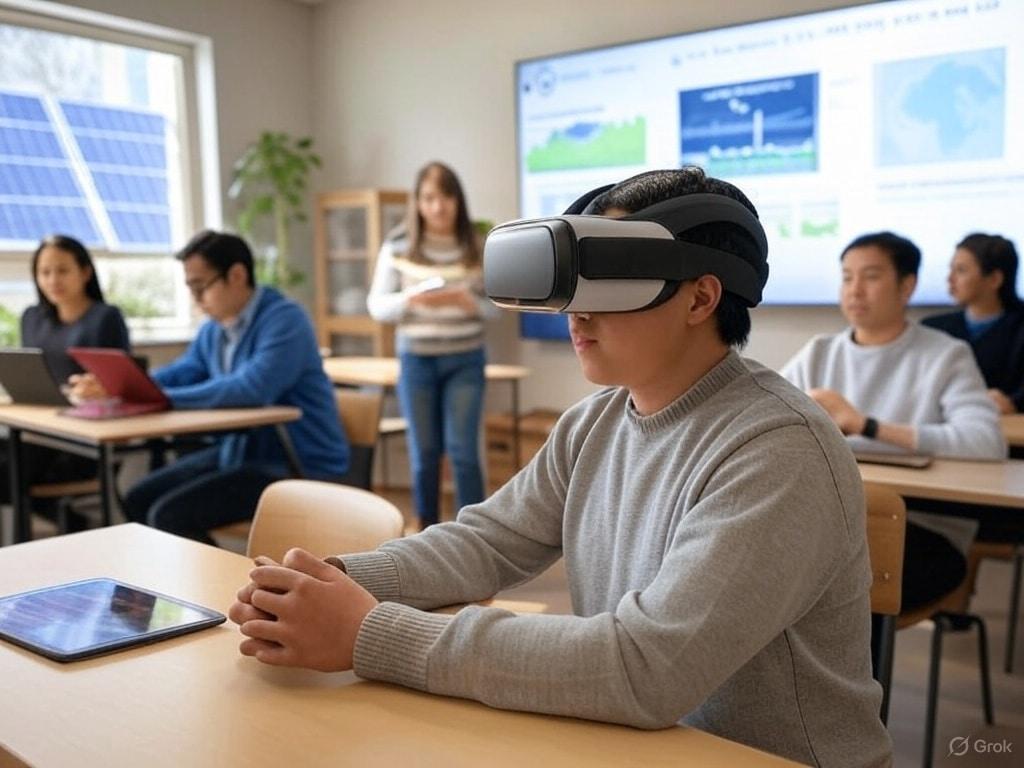
Harnessing EdTech for Environmental Education: Revolutionizing Learning at the Intersection
In an ever-evolving digital world, the fusion of Educational Technology (EdTech) and environmental education is transforming how we learn about, interact with, and protect our planet. Harnessing EdTech for environmental education does not simply support modern learning—it revolutionizes the way students and educators connect with sustainability concepts, empowering individuals to take actionable steps for a greener future. In this article, we’ll explore how innovative digital tools are reshaping environmental education, provide real-world examples, and share actionable strategies to leverage EdTech at any level.
Understanding EdTech in the Context of Environmental Education
EdTech for environmental education refers to the use of digital technologies, platforms, and applications to enhance the teaching and learning of ecological concepts, climate change, conservation, and sustainable development. Whether through interactive simulations,virtual reality field trips,or educational apps,EdTech encourages deep engagement and practical understanding of complex environmental issues.
- Interactive lessons bring abstract concepts like ecosystems or carbon cycles to life.
- Online collaboration tools connect classrooms and communities globally.
- Gamified platforms and eco-challenges boost motivation and retention.
By integrating technology into environmental education, learners gain skills and knowledge essential for thriving in the 21st century while cultivating a mindset geared towards sustainability.
Benefits of Harnessing EdTech for Environmental Education
EdTech unlocks new potentials for environmental learning, making education more accessible, engaging, and impactful. Here are some key benefits:
1. Expanding Access and Inclusivity
- Remote Learning: Students in rural or underserved areas can participate in eco-learning activities from anywhere.
- Diverse Resources: Multimedia materials cater to different learning styles and languages, ensuring a more inclusive learning environment.
2. Enhancing Engagement and Retention
- Immersive Technologies: Virtual and augmented reality experiences make environmental concepts tangible and memorable.
- Gamification: Point systems, leaderboards, and interactive challenges make learning fun and competitive, boosting engagement.
3. Real-Time Data and Hands-On Learning
- Sensory Data: IoT sensors and apps collect and analyze real environmental data, offering practical, hands-on experience.
- Global Citizenship: EdTech connects students with peers worldwide to collaborate on sustainability projects and share environmental impact stories.
innovative EdTech Tools Transforming Environmental Education
Modern classrooms—physical or virtual—now have access to a variety of EdTech tools tailored for eco-education. Here’s a look at some impactful technologies:
- Virtual Field Trips: Platforms like Google Earth Education and Discovery Education enable students to explore tropical forests, polar ice caps, or coral reefs, all from their devices.
- Simulation and Modeling Software: Tools such as EcoMUVE and SimEarth allow learners to model ecosystems and observe the effects of environmental changes in real time.
- Mobile Apps: Eco-friendly apps like iNaturalist, Seek by iNaturalist, and Oceans: The Learning Game turn smartphones into exploration kits and data-collection platforms.
- Gamified Learning: Games like climate Quest and Mission 1.5 educate players about climate action and empower them to make decisions mimicking real-world impact.
- Learning Management Systems (LMS): Platforms such as Moodle and Blackboard host eco-courses, streamline assessments, and foster community-driven learning.
Real-World Case Studies: EdTech Driving Eco-Conscious Change
Case Study 1: Virtual Reality Expeditions in Australian Schools
Schools in Queensland piloted a virtual reality (VR) program allowing students to experience the effects of deforestation firsthand in the Amazon Rainforest. This immersive lesson led to a 40% increase in student engagement and motivated many to start local conservation initiatives.
Case Study 2: Crowdsourced Citizen Science in the US
The iNaturalist app, supported by the California Academy of Sciences, allows students and citizen scientists to document biodiversity in their communities.the resulting data not only enhances student research skills but also contributes to real-time global conservation studies.
Case Study 3: Gamified Climate Education in the UK
The UK-based GreenAction mobile game encouraged secondary school students to reduce their carbon footprint by performing daily eco-tasks. the game’s leaderboard,badges,and rewards system fostered friendly competition and real lifestyle changes among participants.
Practical Tips for Incorporating EdTech in Environmental Education
To maximize the impact of digital environmental education, educators, parents, and schools can adopt these practical strategies:
- Start Small: Begin with free or low-cost apps and resources. Gradually expand your toolkit as your class grows more agreeable with digital learning.
- Integrate Real-world Data: use classroom sensors or open-access platforms (Earth Nullschool, climate.gov) to analyze weather patterns or carbon emissions.
- Promote Collaboration: Partner with schools locally or internationally. joint projects can foster a sense of global environmental stewardship.
- Empower Student-Led Initiatives: Let students lead tech-driven eco-projects, such as launching a local recycling app or developing an energy-saving campaign.
- Offer Continuous Professional Development: Provide educators with training to stay current on new EdTech tools and sustainability curriculum trends.
First-Hand Experiences: Educators and Students at the Forefront
“After introducing virtual ecology games and online ecosystem simulators, my students not only scored higher on environmental literacy assessments, but they also started a school garden using the design thinking principles they learned online.”
— Ms. Laura M., 6th Grade Science Teacher, Toronto
“The best part about using EdTech for environmental education is seeing our ideas come alive outside the classroom.We used a weather station app for a month and created our own local climate report, which we shared on our school’s website.”
— Jamie K., High School Student
Future Trends: What Lies Ahead at the EdTech and Environmental Education Intersection?
As educational technology continues to advance, we can expect even more dynamic ways for students to engage with sustainability themes:
- AI-Powered Personalization: Adaptive learning tools will tailor environmental curricula to individual student interests, backgrounds, and community needs.
- Global Eco-Networks: Secure, cross-border platforms will facilitate real-time projects, video exchanges, and eco-competitions among students worldwide.
- Augmented Reality Field Research: AR overlays and mobile trackers will enable authentic fieldwork, environmental sampling, and species identification, even in urban settings.
- Blockchain for Eco-Credibility: Transparent records of eco-actions, carbon credits, and certifications will incentivize and verify sustainability efforts.
Conclusion: Embracing the Green Future of Learning
The intersection of EdTech and environmental education represents a powerful chance to inspire eco-conscious citizens and innovative problem-solvers. By integrating technology into the classroom, we can bridge data gaps, spark curiosity, and enable students to become environmental stewards in their communities and beyond. With the right strategies and digital tools, educators, parents, and students alike can join the mission of revolutionizing learning for a sustainable and resilient future. Harness EdTech for environmental education today—and watch your learners grow into tomorrow’s green leaders.