
Harnessing Microlearning: how Bite-Sized Training Accelerates Professional Development
In today’s fast-paced business landscape, continuous learning is no longer a luxury—it’s a necessity.traditional long-form training programs can struggle to keep up with evolving professional demands and the shrinking attention spans of modern learners. Enter microlearning: a dynamic training approach that delivers concise,focused bursts of data right when professionals need them most. In this article, we’ll explore how harnessing microlearning can accelerate professional development, boost knowledge retention, and empower teams for lasting success.
What is Microlearning?
Microlearning refers to an instructional design strategy that breaks down complex topics into short, easy-to-digest learning modules—typically ranging from 2 to 10 minutes. these bite-sized lessons can come in various formats, including:
- Video clips
- Interactive quizzes
- Infographics
- Short articles
- Scenario-based simulations
- Mobile learning apps
The core idea is to deliver the right information at the right time, improving both engagement and recall. Microlearning is especially suited for busy professionals who need to upskill efficiently without spending hours away from work.
Why Microlearning Accelerates Professional Development
Microlearning is revolutionizing the professional development landscape by making workplace training more adaptive, accessible, and effective. Here’s how this strategy supports employees and organizations striving for growth.
key Advantages of Microlearning
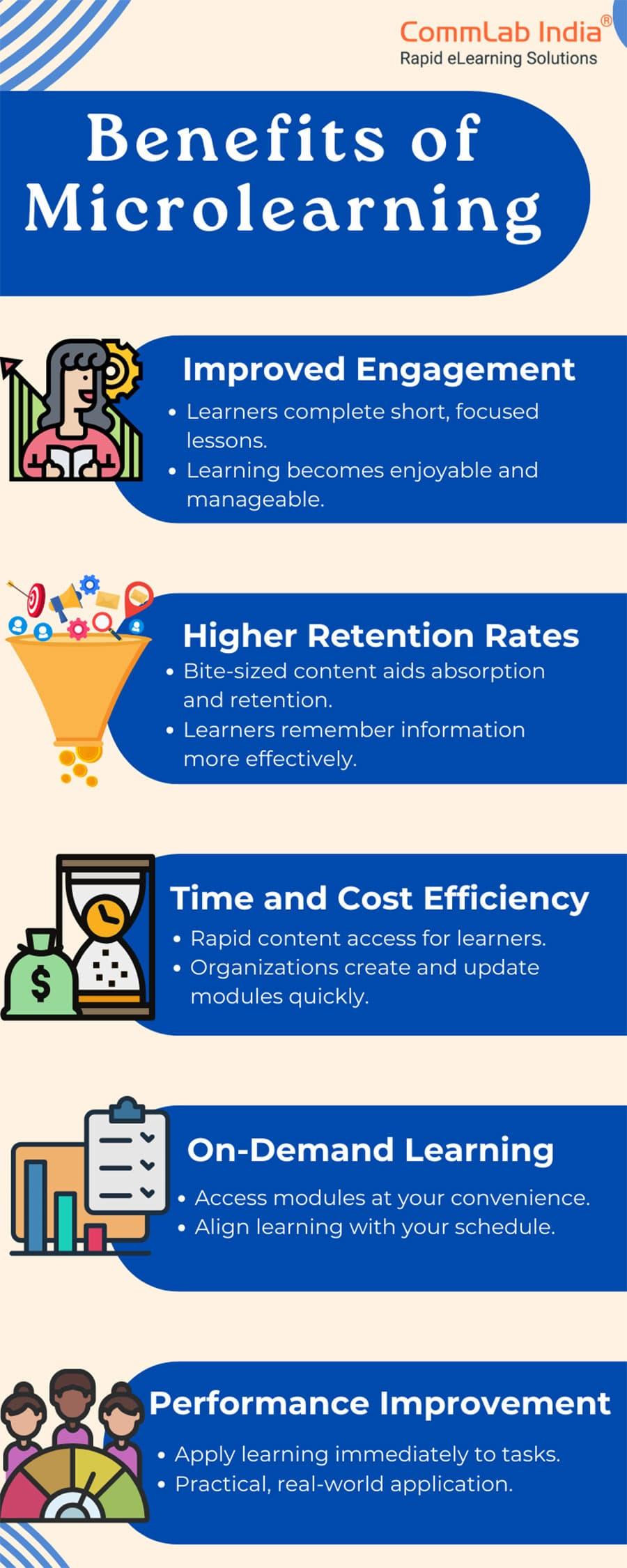
- Enhanced Knowledge Retention: Research indicates that focused, short learning sessions can improve retention rates by up to 20%. the spaced repetition and reinforcement inherent in microlearning combat the “forgetting curve,” helping employees remember and apply new skills.
- Increased Engagement: Interactive, visually rich content keeps learners motivated. The brief nature of microlearning fits into busy schedules, eliminating the fatigue commonly associated with lengthy training sessions.
- on-demand Accessibility: Microlearning modules are typically accessible on multiple devices and platforms,supporting remote teams and just-in-time learning needs. Learners can revisit modules as needed, fostering continuous improvement.
- customizable and Scalable: Organizations can easily update, customize, or scale microlearning content to address emerging skills gaps or changing company goals, ensuring training remains both relevant and impactful.
- Cost and Time Efficient: Developing and distributing microlearning courses is quicker and often more economical than traditional eLearning or in-person seminars.
Implementing Microlearning in Your Institution
Ready to harness the full potential of bite-sized training? Whether you’re a learning and development leader, HR professional, or a team manager, the following practical tips will help you successfully implement microlearning in your workplace.
Best Practices for Effective Microlearning
-
identify Key Learning Objectives:
Start with clearly-defined goals. What skills or knowledge should your employees acquire? Use analytics from employee assessments or feedback to pinpoint urgent training needs.
-
Use Diverse Formats:
Cater to different learning styles by offering a mix of videos, quick reads, infographics, and quizzes.
-
Keep Modules Concise and Focused:
Each microlearning unit should address a single learning point and be consumable in under 10 minutes. Avoid information overload.
-
Integrate with Existing Learning Systems:
Seamlessly weave microlearning modules into your Learning Management System (LMS), onboarding, or ongoing development tracks for maximum adoption.
-
Encourage Social and Collaborative Learning:
Build in discussion forums, peer feedback, or collaborative assignments to reinforce learning and drive engagement.
-
measure, Analyze, Improve:
Collect data on completion rates, quiz scores, and user feedback. Continuously refine your microlearning library based on what works best.
Real-World Microlearning: Success Stories
Still skeptical about the impact of microlearning? Here are a couple of illuminating case studies that demonstrate its transformative effects on professional development.
Case Study 1: Technology firm Upskills Developers with Micro Modules
A leading software company implemented microlearning to keep its developers updated on emerging coding languages and frameworks. Rather of quarterly day-long seminars, the firm rolled out weekly 5-minute video lessons on new features, supplemented with hands-on coding challenges.
- Results: Developer productivity improved by 18%, and engagement in ongoing professional development activities rose by 35%.
Case Study 2: Healthcare Providers Boost Compliance Training
A nationwide hospital network shifted its annual compliance training to a series of microlearning modules, mixing scenario-based videos with interactive assessments. Staff could access these modules on their phones between shifts.
- Results: Training completion times halved, retention and compliance rates soared, and employees reported a 40% increase in confidence when applying compliance protocols on the job.
Expert Tips: Maximizing the Impact of Bite-Sized Learning
- Personalize the Learning Journey: Let employees choose their own learning paths, focusing on relevant modules to boost motivation.
- Integrate Gamification: Reward progress with digital badges, leaderboards, or certificates to make training fun and sticky.
- Use microlearning for Just-in-time Training: Share quick reference guides and how-to videos at the point of need,such as troubleshooting a new software or conducting sales pitches.
- Foster Repeat Engagement: schedule push notifications or email reminders to encourage continuous interaction with new learning modules.
Conclusion: The Future of Learning is Micro
Microlearning is more than a trend—it’s a powerful strategy that meets the evolving needs of the modern workforce. By investing in flexible,bite-sized training,organizations can accelerate professional development,enhance knowledge retention,and build a culture of continuous learning.
Adopting microlearning enables businesses to respond swiftly to industry shifts, empower employees with up-to-date skills, and maximize ROI on training initiatives. As remote and hybrid work continue to rise, the accessibility and efficiency of microlearning make it an indispensable tool in any professional learning toolkit.
Looking to transform employee development within your organization? Start small—think micro. The results will be anything but.