
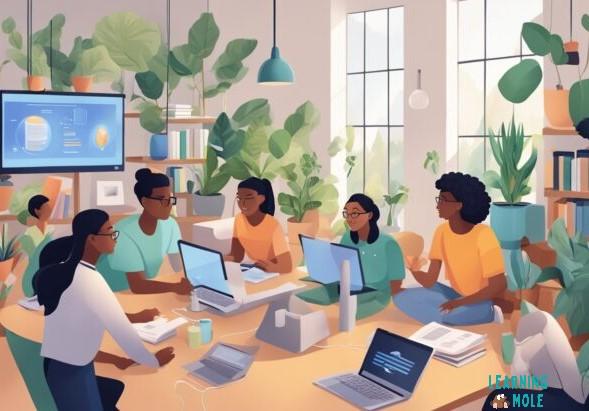
harnessing Sustainable technologies in Educational Settings: Transforming Classrooms for a Greener Future
As the world continues to grapple with climate change, resource depletion, and environmental challenges, the need for sustainability is more pressing than ever. Educational institutions have a vital role in shaping eco-conscious citizens and future leaders. Harnessing sustainable technologies in educational settings not only benefits the surroundings but also offers economic,social,and health advantages to students,educators,and communities. This article explores how adopting sustainable classroom technologies is transforming schools into greener, more responsible spaces, highlighting practical strategies, benefits, and real-world case studies.
Why Sustainable Technologies Matter in Education
Sustainable technologies in education refer to the broad set of digital tools, eco-friendly infrastructures, and energy-efficient systems that reduce a school’s carbon footprint and foster an eco-friendly learning environment. Incorporating these technologies ensures that educational settings are energy-efficient, resource-conscious, and forward-thinking.
- Environmental Stewardship: Schools serve as incubators of future values. Integrating sustainability into the learning environment encourages students to become mindful stewards of the planet.
- Cost Savings: Energy-efficient technologies can significantly reduce utility expenses, freeing up resources for academic programs and student support.
- Healthier Learning Spaces: Green buildings and clean energy solutions improve air quality, lighting, and thermal comfort, boosting student well-being and performance.
- Real-world Learning: Sustainable technology creates hands-on learning opportunities,allowing students to engage in real environmental problem-solving.
Top Sustainable Technologies for Green Classrooms
From smart lighting to renewable power, numerous technologies are setting the standard for green schools and eco-friendly classrooms. Some popular and impactful solutions include:
1. Solar Power Solutions
- Solar Panels: Installing photovoltaic panels on school roofs provides clean energy, reduces electricity bills, and serves as an educational tool for learning about renewable energy.
- Solar Heating Systems: These systems can help regulate classroom temperatures efficiently and minimize reliance on fossil fuels.
2.Smart Lighting and Energy Management
- LED lighting: Swapping traditional bulbs for LED alternatives can reduce energy usage by up to 75%.
- Automated Sensors: Occupancy and daylight sensors optimize lighting and HVAC usage based on actual classroom activity and environmental conditions.
3. Green Building materials & Architecture
- Sustainable Building Materials: Use of recycled, low-emission, or rapidly renewable materials can improve indoor air quality and reduce environmental impact.
- Living roofs and Walls: These not only insulate buildings but also promote biodiversity and urban greenery.
4. Water Conservation Technology
- Low-flow Fixtures: Eco-friendly toilets, faucets, and irrigation systems help conserve water and teach students about responsible resource use.
- Rainwater Harvesting: Schools can collect rainwater to irrigate gardens or supply non-potable uses.
5.Digital Learning Tools
- Paperless Communication: Digital platforms for homework, submissions, and notices cut down on paper waste.
- Virtual Labs & Simulations: Cloud-based learning environments replace resource-intensive physical setups and foster interactive, scalable learning.
benefits of Implementing Sustainable Technologies in Schools
Adopting eco-friendly technologies in educational settings yields a wide range of critical benefits, influencing environment, economy, and educational quality.
- Reduced Carbon Footprint: Green technologies decrease greenhouse gas emissions, helping schools contribute to local and global climate goals.
- Lower Operating Costs: Energy and resource efficiencies generate critically important financial savings over the medium and long term.
- Enhanced Student Engagement: Students gain hands-on experience with real-world sustainability practices.
- Improved Community Reputation: Eco-friendly schools attract students, families, and faculty who prioritize environmental duty.
- Future-ready Skills: Exposure to ENERGY STAR appliances, smart devices, and sustainability analytics prepares students for green careers.
Practical Tips for Integrating Sustainable Technology into Your School
Transitioning to a greener classroom does not have to be overwhelming. Here are some practical strategies to help schools and educators harness sustainable technologies in educational settings:
- start with an Energy Audit: Assess your school’s current consumption and identify quick wins (like switching to LEDs or installing programmable thermostats).
- Engage Stakeholders: Involve students, parents, faculty, and local authorities in sustainability initiatives. Collaboration generates creativity and buy-in.
- Adopt a Step-by-Step Approach: Implement changes in manageable phases, starting with low-cost, high-impact actions (e.g., digitalizing administrative workflows, setting up recycling stations).
- Leverage Funding and grants: Many government programs and NGOs offer financial assistance for eco-friendly school projects. Tap into these resources to offset upfront costs.
- Incorporate Sustainability into Curriculum: Use classroom technologies to teach environmental science, renewable energy, and conservation through hands-on projects and digital applications.
- Monitor and Share Progress: use dashboards and apps to track energy savings,waste reduction,and other green metrics. Celebrate achievements and share best practices with the school community.
Case Studies: Green Classrooms in Action
Explore how educational institutions across the globe are modeling sustainability through technology-driven initiatives:
1. The Green School, Bali
Famed for its innovative campus of bamboo buildings and off-the-grid energy system, The Green School integrates renewable energy, waste-to-resource solutions, and sustainable farming into both infrastructure and curriculum. This immersive model offers students real-life experience in green innovation.
2. New York City’s Solar Schools Initiative
NYC’s Department of Education has installed solar panels on more than 70 schools, saving over $1 million annually in energy costs and reducing carbon emissions. Students are involved in monitoring systems and learning about energy management firsthand through dedicated STEM programs.
3. Sustainable Classroom at dr. Martin Luther King Jr. School,Cambridge,MA
This LEED Platinum building features solar panels,geothermal heating/cooling,water-efficient landscaping,and an on-site garden. real-time energy dashboards help teachers incorporate facility performance data into student lessons, blending sustainability education with hands-on practice.
First-Hand Experiences: Teachers and Students Speak
“Since introducing solar panels, our science curriculum has become much more engaging. Students track energy production and consumption daily and share ideas for reducing our footprint. It’s learning in action!”
– Ms. Emily Chan, 5th Grade Science Teacher
“Having a green, naturally lit classroom makes a huge difference. I feel more focused and energized during class, and it’s great knowing we’re helping the planet.”
- Jamal Rivers, High School Student
Overcoming Challenges in Adopting Sustainable Technologies
While the advantages are clear, implementing sustainable technologies in educational settings comes with some challenges:
- Initial Costs: Upfront investment can be significant, though long-term savings and external funding often offset these expenses.
- Staff Training: Teachers and administrative staff need training to maximize the benefits of new systems.
- Maintenance and Upgrades: Regular maintenance is essential to ensure ongoing efficiency; planning for future upgrades is crucial as technology evolves.
- Change Management: Early engagement, transparent communication, and incremental adoption can help ease the transition for everyone involved.
Conclusion: Paving the Way for a Greener Future
By harnessing sustainable technologies in educational settings, schools can lead the transformation toward a greener future—both inside and outside the classroom. Sustainable classrooms not only equip students with practical, future-ready skills but also serve as living examples of environmental stewardship for their communities. The journey toward eco-friendly education may require an initial investment and ongoing commitment, but the rewards in terms of cost savings, educational impact, and environmental benefit are well worth the effort.
Every school, nonetheless of size or location, can start its journey towards sustainability.Through strategic planning, innovation, and community involvement, classrooms can be transformed into vibrant, sustainable spaces that inspire the next generation of environmentally conscious leaders.
Together, let’s transform education—and the planet—one classroom at a time.