
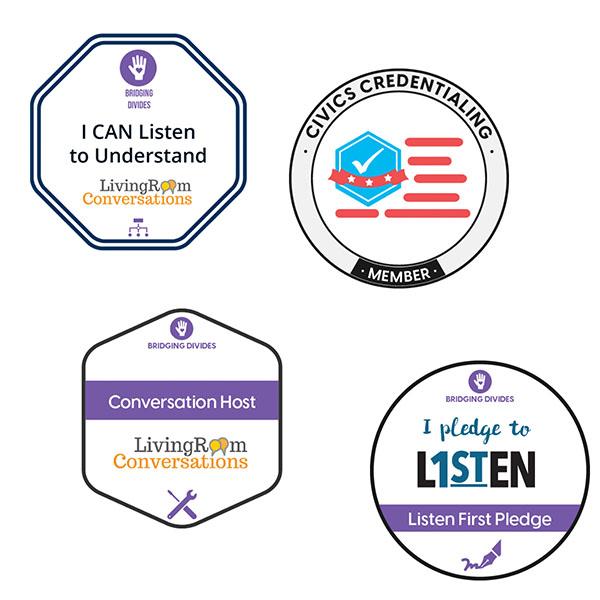
Harnessing the Power of Digital Badges: Recognising Skills and Achievements in the Modern Era
In today’s fast-evolving digital landscape, traditional certificates and resumes are no longer sufficient for showcasing a person’s true potential. Digital badges have emerged as a dynamic solution to recognize skills, knowledge, and achievements in a verifiable and visually engaging manner. Whether in education, professional development, or workforce training, digital badges are making waves by validating learning outcomes and fostering a culture of life-long learning.
What Are Digital Badges?
A digital badge is a shareable, web-enabled credential that signifies the achievement of specific skills or competencies. Unlike traditional certificates, digital badges are embedded with metadata that provides detailed details about:
- The issuer of the badge
- The criteria required to earn the badge
- Evidence supporting the achievement
- Date of issuance and expiration (if applicable)
This transparency ensures that anyone viewing the badge—employers, educators, or peers—can instantly verify its authenticity and meaning, making badges a powerful tool for skill recognition in the modern era.
The Benefits of Digital Badges for Skills Recognition
embracing digital badges offers numerous advantages to learners, educators, and employers alike. Here’s how harnessing digital badges can make a difference:
For Learners
- Motivation and engagement: Badges offer clear goals and rewards, motivating continued learning.
- lifelong Learning: Individuals can accumulate badges across disciplines, reflecting a broad range of skills over time.
- shareability: Display badges on LinkedIn, personal websites, or digital portfolios, boosting employment prospects.
For Educators and Training providers
- Detailed assessment: Digital badges break down broad competencies into tangible, bite-sized skills.
- Increased Engagement: Gamification elements like badges encourage participation and completion rates.
- Brand Visibility: Badges bearing an institution’s name increase its presence as recipients share them globally.
For Employers
- Efficient recruitment: Instantly verify candidate skills and fit for job roles.
- Employee Development: Track and incentivize upskilling within the workforce.
- Standardization: digital badges add consistency and credibility to professional development programs.
How Do Digital Badges Work?
digital badges utilize open standards such as Open badges, enabling interoperability across platforms like Canvas, Blackboard, Moodle, and even social media. The process typically involves:
- Issuance: An authorized organization awards a badge once a learner demonstrates the required skill or competency.
- Validation: Metadata embedded within the badge ensures instant verification by third parties.
- Display: Badge earners showcase their badges online and integrate them with resumes, websites, and professional profiles.
- retention: Badges remain accessible even if the earning organization updates or rebrands, thanks to decentralized hosting solutions.
Practical Tips: Implementing Digital Badges in Your Organisation
Thinking about adopting a digital badging program for your school, business, or community? here are some practical pointers:
- define Clear Criteria: Ensure each badge represents specific, observable skills or achievements.
- Choose a Trusted Platform: Use established digital badging platforms that comply with open standards and provide easy integration.
- Incorporate Gamification: Gamify learning by visually rewarding progress, boosting engagement rates.
- Promote Badge Value: Educate learners and stakeholders on how badges can be used for career advancement and skills recognition.
- Monitor and Assess: Regularly analyze badge issuance and feedback to enhance your program’s effectiveness.
“Digital badges offer more than just a certificate—they represent verified, micro-credentials that can travel with individuals for a lifetime.”
Case Studies: Digital Badges in Action
Many organizations, from universities to Fortune 500 companies, are showcasing innovative ways to implement digital badges for recognising skills and achievements.
1. IBM’s Digital Badge Program
IBM launched its own digital badging initiative for employee training and certifications. Since its inception,IBM has issued millions of badges,leading to proven increases in employee engagement,motivation,and advancement. The program allows employees to easily showcase their expertise and share their accomplishments via professional networks.
2. University of California, Davis: Empowering Student Achievement
UC Davis began using digital badges to recognize students’ extra-curricular activities, such as leadership roles, community service, and interns. Students can demonstrate “soft” or “employability” skills, giving them an edge in the job market.
3. Mozilla open Badges: Pioneering Transparency
The Mozilla Open Badges project laid the groundwork for open standards in digital credentialing. Today, the open badges system is used worldwide in various contexts, including professional certifications, online courses, K-12 education, and vocational programs.
First-Hand Experience: A Learner’s Viewpoint
“When I completed my online coding bootcamp, I received a digital badge that I could add directly to my LinkedIn profile. Not only was it visually appealing, but the badge linked directly to details about my coursework and projects. Several recruiters even mentioned the badge in interviews—it became a conversation starter that set me apart from other candidates.”
SEO Best Practices for Promoting Your Digital Badging Program
To maximize the visibility and impact of your digital badge program, consider these SEO strategies:
- Keyword Optimization: Use relevant keywords such as “digital badges”, “skills recognition”, and “digital credentialing” in your website content and meta tags.
- Optimized Badge Pages: create dedicated pages for each badge, including detailed criteria, learning outcomes, and links to relevant courses.
- Schema Markup: Use structured data to highlight digital credentials in search engine results.
- Link Building: Encourage recipients to link back to your website when they share badges on their portfolios or social channels.
- content Marketing: Develop blog articles, case studies, and testimonials to share the successes and stories behind your badges.
conclusion: Building a Culture of Recognition in the Digital Age
Embracing the power of digital badges is essential for recognising skills and achievements that often go unnoticed in traditional systems. By offering portable, verifiable, and shareable proof of abilities, digital badges open new pathways for learners, educators, and employers in the modern era. As organizations and individuals harness this potential,they build a richer,more transparent culture of accomplishment—one badge at a time.
Ready to implement digital badges in your learning or business habitat? Start today to unlock the full potential of verified skills recognition and give your community the tools they need for success in the digital age.