
harnessing VR/AR for Immersive Learning: transforming Modern Education through Virtual and Augmented Reality
Virtual reality (VR) and Augmented Reality (AR) are no longer just buzzwords in the tech world—they are rapidly becoming cornerstones in educational innovation.By blending interactive digital experiences with real-world settings,VR and AR are revolutionizing the way students and educators engage with subject matter. This article explores how immersive learning technologies transform modern education, the benefits they introduce, and how institutions can practically integrate these ground-breaking tools for enriched learning outcomes.
What is Immersive Learning with VR and AR?
Immersive learning refers too educational experiences that deeply engage learners, often through multisensory and interactive environments. By leveraging Virtual reality (VR) and Augmented Reality (AR), immersive learning allows students to connect theory to practice in unforgettable ways.
- Virtual Reality (VR): Creates a fully simulated habitat—students don VR headsets and interact with 3D worlds, from ancient Rome to the inside of a cell.
- augmented Reality (AR): Overlays digital content onto the real world using smartphones, tablets, or AR glasses; think interactive diagrams or 3D models appearing on a textbook page.
Together, VR and AR in education are opening new pathways for active, experiential learning that is challenging—if not unfeasible—to achieve through conventional textbooks or lectures alone.
Benefits of VR/AR in Modern Education
The adoption of immersive learning technology in classrooms is yielding numerous advantages for both students and educators. Here are some key benefits:
1. Increased Engagement and Motivation
- Interactive scenarios sustain student attention and curiosity.
- Game-like elements foster friendly competition and participation.
2. Experiential, Hands-On Learning
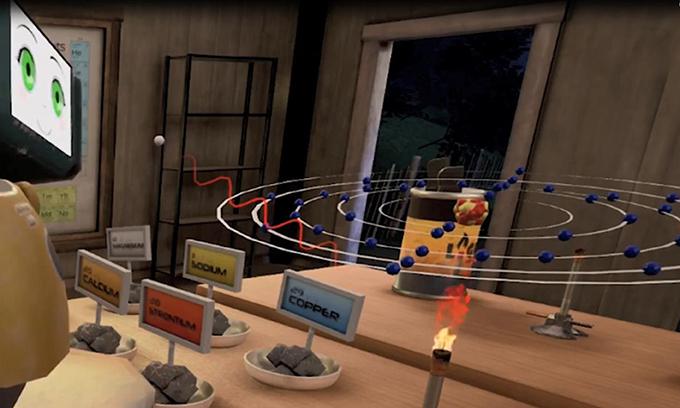
- Students can perform virtual science experiments, explore ancient sites, or practice surgery in safe, controlled settings.
- Allows failure without real-world consequences,reinforcing confidence.
3. Accessibility and Inclusivity
- Creates opportunities for remote learners, students with disabilities, or those in underserved communities to access high-quality educational content.
- AR can turn any space into a learning environment, breaking down traditional classroom barriers.
4. Enhanced Knowledge Retention
- Studies show immersive experiences can improve retention by up to 75%, compared to 10% with passive reading or lectures.
- Multisensory activities help anchor concepts in memory more deeply.
5. Personalized Learning Paths
- VR/AR platforms can adapt to individual pace and learning style, offering tailored feedback.
How VR/AR is Being Used in the Classroom: Real-world Case Studies
Schools and universities are pioneering unique ways to incorporate virtual and augmented reality in education. Here are a few inspiring examples:
Case Study 1: Engaging History at the British Museum
The British Museum’s “virtual Reality Weekend” allowed students to explore a Bronze Age roundhouse. Using VR headsets, learners virtually walked around the structure, manipulated artifacts, and even started a virtual fire—turning theoretical lessons into a hands-on adventure.
Case Study 2: Medical Training at Case Western Reserve University
Through the HoloAnatomy app on Microsoft HoloLens (an AR device), students interact with life-sized, interactive 3D models of the human body. This advanced approach enables future doctors to visualize organs,vessels,and bones in a dynamic setting,far surpassing traditional cadaver labs.
Case Study 3: Science Experiments with Labster
Labster delivers VR science simulations for high schools and colleges, allowing students to conduct experiments that would otherwise be too expensive, hazardous, or logistically challenging in real life. This democratizes access to STEM education worldwide.
Practical tips: integrating VR/AR for Immersive Learning
Transitioning to VR/AR classrooms can seem daunting, but these practical steps can help educators launch triumphant immersive learning experiences:
- Start Small: Pilot a few lessons or modules before scaling across subjects or grades.
- Prioritize Content: Select VR/AR apps and resources aligned with your curriculum goals (e.g., Google Expeditions, Merge Cube, CoSpaces Edu).
- Invest in Training: Teacher professional development workshops ensure a smooth implementation and maximize technology benefits.
- Ensure Device Accessibility: Utilize affordable options like smartphone-based VR viewers or shared device models for classrooms with budget constraints.
- Promote Safe usage: Set clear usage guidelines and supervision to minimize motion sickness or eye strain.
- Encourage Student Feedback: Let learners share what works, what excites them, and where they have difficulty so experiences can be refined further.
Frist-Hand Experience: Voices from the Classroom
“I never thought I’d stand on the surface of Mars in my science class.Exploring planets through VR not only made learning fun, but it also helped me remember so much more. It made me feel like I was really there.” – Samantha, High School Student
“As a teacher, integrating AR apps has allowed me to demonstrate complex math and science topics in interactive ways. The level of engagement and participation is night and day compared to worksheets and lectures.” – Mr.Johnson, Middle School Teacher
Challenges and Considerations
While the benefits are numerous, schools should weigh several considerations before fully embracing immersive technology in education:
- Cost: Though prices are falling, VR headsets and AR-enabled devices may still strain some educational budgets.
- Digital Divide: Ensuring equitable access to immersive learning tools remains a challenge, especially in underfunded districts.
- Technical support: Reliable IT infrastructure and ongoing support are essential to prevent disruptions.
- Content Quality: Not all VR/AR experiences are created equal; educators must vet content for accuracy, age-appropriateness, and educational alignment.
- Health & Safety: Prolonged or unsupervised use may cause discomfort; moderation and guidelines are key.
The Future of Immersive learning: Trends and Predictions
The trajectory for VR and AR in modern education is unmistakable. Experts predict that immersive learning will soon be as commonplace as computers in classrooms.Some emerging trends include:
- AI-Driven adaptive Learning: smarter, responsive systems customizing VR/AR lessons in real-time to meet student needs.
- Greater Accessibility: Advancements in cloud-based VR/AR will allow learners to access immersive content from low-cost devices, even at home.
- Interdisciplinary Projects: Expect more cross-curricular experiences blending science, literature, and the arts for richer learning journeys.
- Social and Collaborative learning: Multi-user VR spaces where students collaborate on projects and simulations, building teamwork and global citizenship skills.
Conclusion: Embracing the New Reality of Education
Harnessing VR and AR for immersive learning is more than a fleeting trend—it’s a transformative shift in modern education. By making abstract concepts tangible, engaging students in multisensory learning, and democratizing access to high-impact experiences, virtual and augmented reality are empowering the next generation of lifelong learners. As technology advances and costs decrease, now is the ideal time for educators, administrators, and policy-makers to champion VR/AR integration and prepare students for an ever-evolving digital world.
Are you ready to step into the future of education? Explore VR and AR resources, pilot innovative lessons, and join the immersive learning revolution today.