
Head of Learning and Development: Key Roles, Skills, and Career Pathways Explained
Introduction
Embarking on a career as a Head of Learning and Development in the field of education technology at universities, colleges, or schools promises both challenge and fulfillment. Educational institutions are constantly evolving, leveraging cutting-edge technology and innovative pedagogy to deliver better learning experiences. As digital transformation reshapes academia,the demand for skilled leaders to manage and direct learning and development (L&D) initiatives is at an all-time high. Whether you’re an aspiring professional or an experienced educator looking to move into educational leadership, understanding this role in depth is essential for job seekers aiming for such pivotal positions.
What Does a Head of Learning and Development Do?
The Head of Learning and Development (often referred to as the L&D Director or Chief Learning officer in some institutions) is responsible for designing, implementing, and evaluating holistic strategies to improve teaching quality, student engagement, and professional staff growth using the latest in education technology (EdTech). Their work bridges the gap between pedagogy and technology, ensuring that learning programs are modern, effective, and aligned with institutional goals.
- Developing and overseeing L&D strategies tailored to the unique needs of the institution
- Integrating EdTech solutions and online learning platforms to facilitate blended or remote curricula
- Coordinating and training faculty on digital tools,innovative teaching methods,and continuous professional development
- Analyzing learning outcomes and using data-driven approaches to refine educational programs
- Collaborating with academic leaders and IT departments to ensure smooth technology integration
- Staying abreast of emerging trends in education technology,such as adaptive learning,AI-driven analytics,and gamified instruction
the head of Learning and Development influences both the strategic and operational dimensions of academic institutions,fostering a culture of lifelong learning among staff and students.
Key Responsibilities in Education Technology Roles
Within universities,colleges,or schools,a Head of Learning and Development covers a broad spectrum of duties,including:
1. Strategic Planning and Policy Development
- Setting clear objectives for L&D aligned with institutional vision and mission
- Developing policies and standards for digital content, training delivery, and assessment methods
- Budget management for learning initiatives and EdTech investments
2. Curriculum Design and Implementation
- Guiding the development of cutting-edge digital curricula that support personalized and inclusive learning experiences
- Working in partnership with academic staff and instructional designers to create high-quality resources
- ensuring compliance with educational standards and accessibility guidelines
3. Faculty and Staff Development
- Organizing ongoing professional development workshops in latest teaching technologies and methods
- Establishing mentorship and coaching programs for continuous staff betterment
- Championing diversity,equity,and inclusion within staff learning programs
4. Technology Integration and Evaluation
- Determining the right mix of EdTech tools for different learning contexts
- Evaluating software, hardware, and platforms for efficacy and scalability
- Monitoring EdTech adoption and troubleshooting implementation issues
5. Stakeholder Engagement
- Communicating with academic leaders, IT, and external vendors to coordinate effective L&D initiatives
- Gathering feedback from faculty and students to drive continuous improvement
- Representing the institution in educational conferences and EdTech networks
Essential Skills and Qualifications for a Head of Learning and Development
Job seekers aspiring to become a Head of Learning and Development in education technology should possess a blend of technical, pedagogical, and leadership skills. Here’s what sets top candidates apart:
- Educational Background: Bachelor’s or master’s degree in Education, Instructional Design, Educational Technology, Organizational Development, or related field. Doctoral qualifications can be advantageous for senior positions in universities.
- Technical Proficiency: Experience with learning management systems (LMS), virtual classroom software, digital assessment tools, and data analytics platforms. Familiarity with AI, AR/VR, and adaptive learning is highly regarded.
- Instructional Design: Expertise in designing effective, engaging, and accessible digital learning materials.
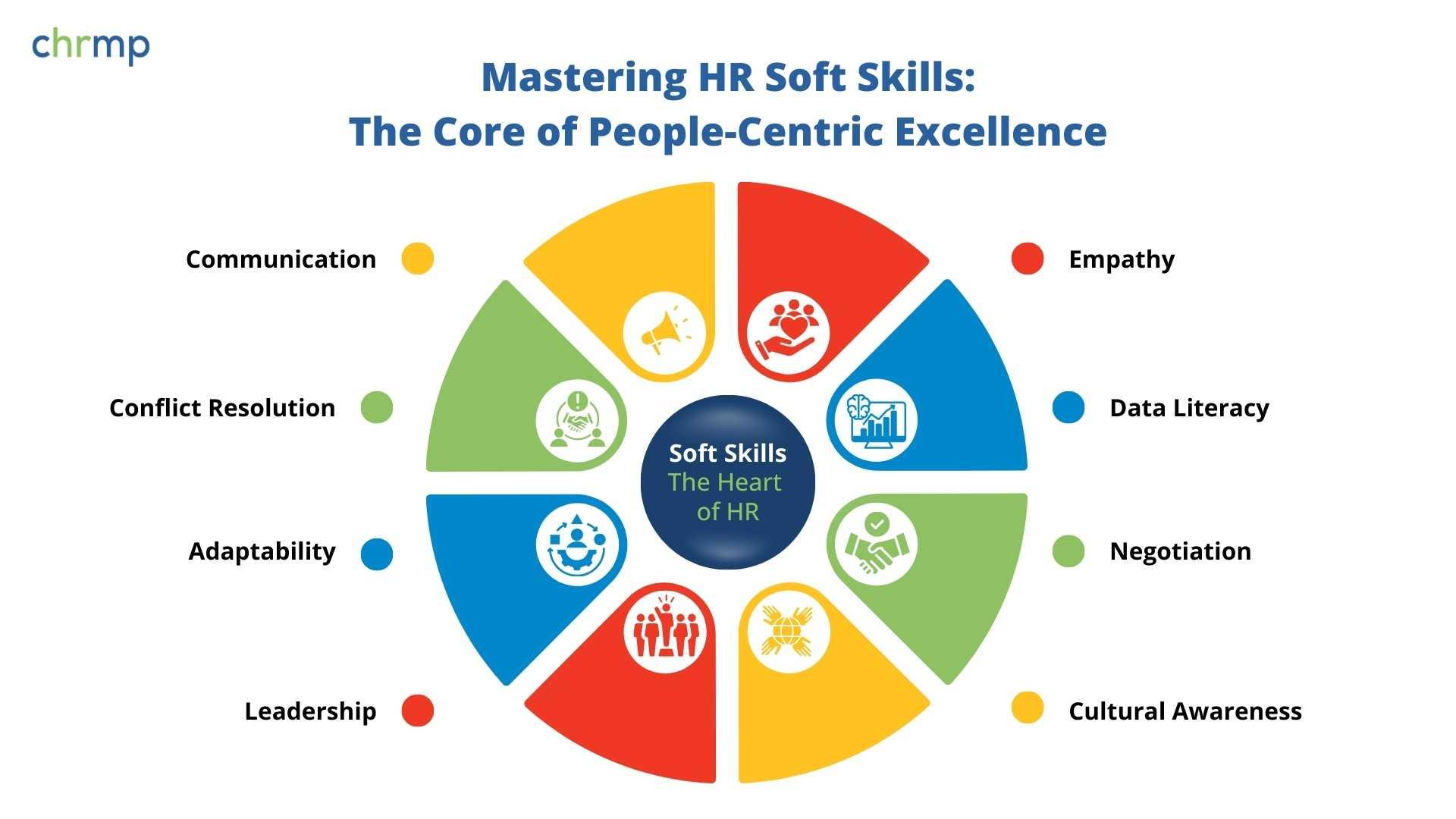
- Leadership and Change Management: Proven ability to influence institutional culture, inspire teams, and manage transformation projects.
- Data Literacy: Competence in collecting, analyzing, and interpreting learning data to inform decision-making and demonstrate ROI for L&D initiatives.
- Project Management: Skilled at prioritizing projects, managing budgets, and meeting deadlines in a fast-paced or evolving habitat.
- Excellent Communication: Ability to communicate vision and strategy to diverse stakeholders with clarity and enthusiasm.
- Continuous Learning: Commitment to professional development and staying current with EdTech advances and educational best practices.
Career Pathways: How to Become a Head of Learning and Development in Education Technology
Becoming a Head of Learning and Development is often the result of progressive experience in education, training, or technology-enhanced learning environments. Here’s a typical pathway many professionals follow:
- Entry-Level: Start as a teacher, instructional designer, EdTech analyst, or learning coordinator. Gain hands-on experience with curriculum design and educational technologies.
- Mid-Level: Move up to roles such as eLearning Manager, Education Technologist, Training Lead, or Professional Development coordinator. Hone your skills in managing small teams and driving project success.
- Senior-Level: Apply for L&D leadership roles including Head of Learning and Development, Director of Education Technology, or Digital Learning Lead at universities, colleges, or large schools.
- Continuous Upskilling: Attend relevant workshops, obtain certifications in project management or instructional design, and network at education technology conferences to expand your horizons.
networking and professional branding on platforms like LinkedIn and maintaining a portfolio of accomplished EdTech projects help distinguish top candidates for L&D head roles.
Benefits of a Career as Head of Learning and Development in Academia
- Impactful Leadership: Influence positive change affecting thousands of learners and educators.
- Continuous Innovation: Work on the frontline of technology integration in education, shaping how knowledge is delivered and consumed.
- Cross-Collaborative Opportunities: Engage with research, academic leaders, IT experts, and EdTech vendors.
- Career Growth: Senior L&D roles are highly respected and provide opportunities for advancement into executive education positions.
- Professional Fulfillment: Drive measurable improvements in learning outcomes and institutional success.
Practical Tips for Job Seekers Targeting Head of Learning and Development Roles
- build a Robust EdTech Portfolio: Showcase your ability to implement digital learning projects and highlight measurable results.
- Stay Updated: Regularly read academic journals and EdTech news, and engage in local educational seminars to stay ahead of trends.
- Earn Relevant Certifications: Qualifications in instructional design, agile project management, or data analytics can set you apart.
- Demonstrate Leadership: Share examples of leading teams through change, resolving challenges, and delivering innovative learning initiatives.
- Network Widely: Connect with leaders in EdTech and academia,participate actively in professional forums,and seek mentorship from current L&D heads.
- Prepare for Interviews: Be ready to articulate your vision for L&D and provide concrete examples of technology leadership, curriculum design, and staff training successes.
Conclusion
The role of Head of Learning and Development in education technology is both dynamic and rewarding, offering a chance to shape the future of learning at universities, colleges, and schools. For job seekers, understanding the key responsibilities, required skills, and viable career pathways is essential for building a successful journey in this in-demand sector. By cultivating the necessary expertise, actively seeking growth opportunities, and keeping pace with the latest advances in EdTech, you can become a transformative leader who makes a lasting impact on students and educators alike.