
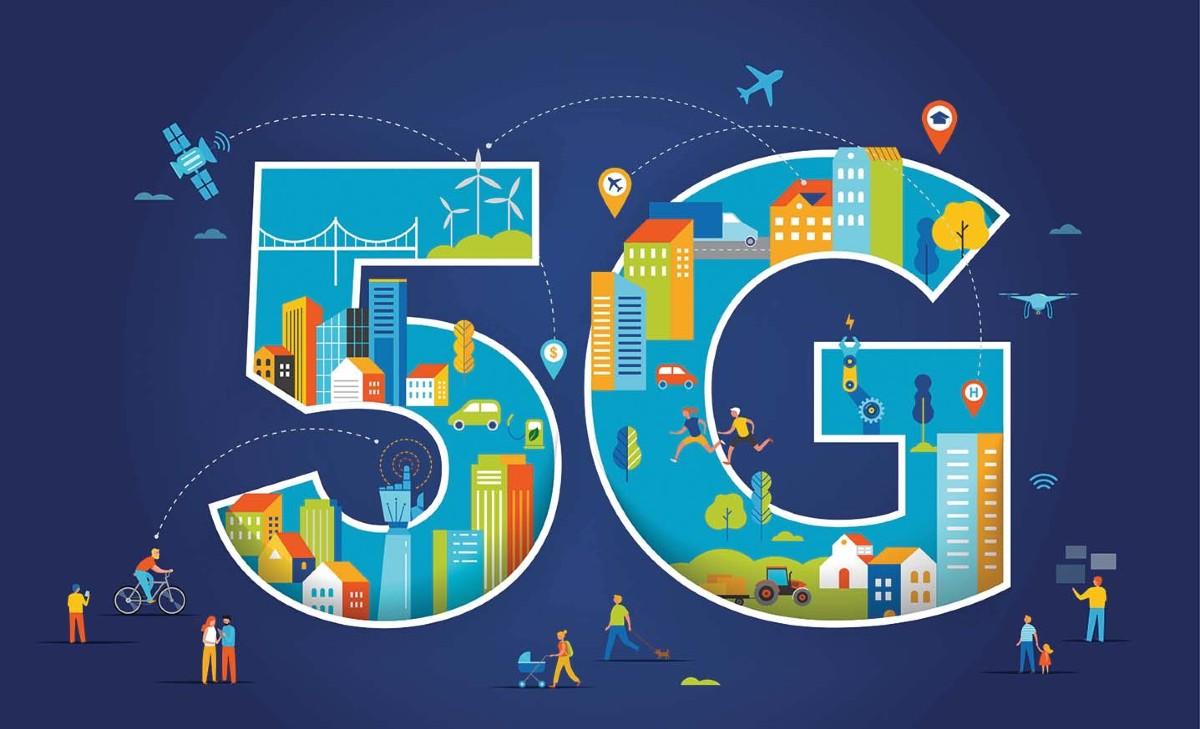
How 5G is Revolutionizing Online Learning: Faster, Smarter, and More Interactive Education
The world of education is undergoing a massive digital transformation, and at the forefront of this revolution is 5G technology. With its promise of lightning-fast internet speeds, ultra-low latency, and seamless connectivity, 5G is reshaping how students and teachers interact, collaborate, and learn online.In this article,we’ll explore how 5G is revolutionizing online learning,making education not only faster but also smarter and far more interactive than ever before.
Understanding 5G: The Next Leap in Connectivity
Before diving into 5G’s impact on education, it’s crucial to understand what makes 5G different. 5G networks deliver:
- Speeds up to 100x faster than 4G LTE
- Ultra-low latency—responses in milliseconds
- Reliable, high-capacity connections for millions of devices
- Consistent, stable performance even in crowded areas
These advances create a solid foundation for transforming the online learning experience—from simple video calls to immersive virtual reality classrooms.
How 5G is Transforming the Online Learning Landscape
Online education already bridges distances and provides flexible access to learning. With the introduction of 5G, these key areas see dramatic improvements:
- Instantaneous video streaming for real-time interactive classes
- Seamless integration of AR & VR technologies in virtual classrooms
- Personalized and adaptive learning powered by Artificial Intelligence (AI)
- Enhanced mobile learning on-the-go, thanks to ubiquitous 5G coverage
- Effortless collaboration among students, teachers, and global experts
Top Benefits of 5G-Powered Online Learning
-
Ultra-Fast Download & Upload Speeds:
Say goodbye to lag and buffering during live lectures and group discussions. With 5G, even large files, HD videos, and interactive simulations load instantly. -
Low Latency = Real-Time Interaction:
5G reduces wait times to less than 1 millisecond, enabling smooth, real-time dialogue in live classrooms, virtual labs, and collaborative projects. -
Scalable and Inclusive Learning:
5G can support hundreds or thousands of connections per classroom, bringing together learners from all over the globe without quality loss. -
Immersive Educational Technologies:
High-speed connectivity paves the way for AR/VR content, virtual field trips, AI tutors, and gamified learning—taking student engagement to new heights. -
Bridge the Digital Divide:
Rural and underserved communities often struggle with slow or unreliable connections. 5G infrastructure brings equal-quality access to all, democratizing education.
Smarter,Personalized Education: AI & Analytics Meet 5G
5G technology empowers educational platforms to leverage artificial intelligence (AI) and big data analytics like never before.
Here’s how 5G fuels a smarter, more adaptive educational ecosystem:
-
AI-driven platforms analyze student performance in real time, customizing content to suit their learning pace and preferences.
-
Powerful analytics uncover trends,strengths,and gaps,helping educators refine their teaching strategies and offer personalized support.
-
Instant feedback loops keep students motivated and on track, with recommendations tailored to their unique needs.
From Virtual Classrooms to AR/VR Field Trips: Interactivity Redefined
With 5G-enabled devices, the classroom is no longer limited by four walls. Here are some real-world examples of how interactivity is soaring:
- Virtual Reality field Trips: Students explore ancient rome or dive into deep-sea ecosystems,all from their home,fully immersed with 360-degree views.
- Augmented Reality Science Labs: Conduct chemistry experiments safely through interactive AR simulations.
- Live Language Exchanges: Real-time,video-based language exchange programs connect learners across continents.
- Remote Group projects: Seamless screen sharing, cloud collaboration, and instant feedback make teamwork easy and effective, regardless of geographic location.
Case Study: How 5G brought Innovation to a Remote school District
In early 2023, a rural school district in North America partnered with a telecom provider to deploy 5G networks across its campuses and homes. Here’s what changed:
- Attendance rates soared: With reliable,fast internet,students attended live sessions more regularly.
- Learning outcomes improved: Students engaged deeply with AR-based science and geography modules.
- Teacher collaboration flourished: Cross-campus professional growth sessions became the norm.
- Community impact: With better connectivity, families accessed telehealth, social programs, and learning resources—showcasing the broader benefits of 5G beyond the classroom.
Practical Tips for Embracing 5G in Online education
-
Check 5G Device Compatibility:
Ensure your laptops, tablets, or smartphones support 5G connectivity for optimal performance.
-
Upgrade Digital Tools:
Choose e-learning platforms and applications that leverage 5G’s speed for richer, media-driven experiences.
-
Foster Digital Literacy:
Equip students, teachers, and parents with the skills to harness 5G-powered tools safely and effectively.
-
Embrace blended Learning:
Combine conventional and digital strategies to maximize engagement and reach.
-
Prioritize Cybersecurity:
With increased connection points, robust security protocols are key to safeguarding student data and privacy.
Challenges and Considerations Ahead
While 5G-powered online learning offers transformative potential, a few challenges remain:
-
Infrastructure Rollout:
Extensive 5G coverage still requires important investment in some regions.
-
cost of Devices:
Upgrading to 5G-capable gadgets might potentially be expensive for some families or institutions.
-
Privacy and security:
Protecting user data across massive, hyper-connected environments is increasingly complex.
-
Teacher/Student Training:
Continuous professional development is essential to realize the full benefits of 5G-enabled learning.
Addressing these issues requires collaborative efforts from policymakers, educators, and tech providers to ensure equitable access and responsible use of 5G in education.
Conclusion: The future of Online Education is Here—Thanks to 5G
The 5G revolution is more than just faster downloads and improved video calls.It’s empowering a new era of engaging,inclusive,and interactive online education. From immersive VR classrooms to personalized AI tutors and seamless mobile learning, 5G technology elevates educational opportunities for all.
As infrastructure expands and digital skills grow, the gap between traditional and online learning will close, ensuring that every learner—no matter their location—can access world-class education at the speed of 5G. Now is the time for students, educators, and policymakers to invest in the tools and training needed to harness this technology to its fullest potential.