
How 5G is Revolutionizing Online Learning: The Role of High-Speed Connectivity in Education
In the fast-evolving world of digital education, technological advancements continue to shape and redefine how we learn and teach. Among these,5G technology stands out as a game-changer. Wiht its promise of ultra-fast speeds, low latency, and reliable connections, 5G is revolutionizing online learning by making educational resources more accessible, interactive, and engaging than ever before. In this article, we explore the transformative impact of 5G on online education, its many benefits, real-world applications, and actionable tips for students and educators to harness its full potential.
Understanding the Importance of High-Speed Connectivity in Online Learning
High-speed internet has become the backbone of distance education and virtual classrooms. Whether it’s attending live lectures, collaborating on group projects, or accessing cloud-based tools, students rely heavily on their internet connections. Though, traditional networks frequently enough struggle to support high-definition video, real-time interactions, and large data transfers concurrently, leading to lag, buffering, and disruptions.
this is where 5G high-speed connectivity comes into play, addressing these challenges and setting new standards for what’s possible in digital education.
How 5G is Revolutionizing Online learning
5G technology introduces notable improvements over previous wireless generations, profoundly impacting online education in the following ways:
- Lightning-fast Data Speeds: 5G supports data rates up to 100 times faster than 4G, enabling seamless HD and 4K video streaming for interactive classrooms.
- Ultra-low Latency: With latency as low as 1 millisecond, 5G allows for real-time feedback and collaboration during live sessions, virtual labs, and remote mentoring.
- Increased Capacity: 5G networks can support a considerably higher number of devices per square kilometer, making it ideal for crowded campuses and urban environments.
- Greater Reliability: Enhanced network reliability ensures uninterrupted access to educational resources, minimizing learning disruptions.
Key Benefits of 5G in Online Education
By addressing limitations of previous network technologies,5G empowers students and educators with new opportunities:
Enhanced Virtual Classrooms
With high-speed 5G,live video lectures and interactive workshops run smoothly,even in remote and underserved regions. Students experience near face-to-face communication with educators and peers, making online learning more dynamic and effective.
Immersive Learning with AR & VR
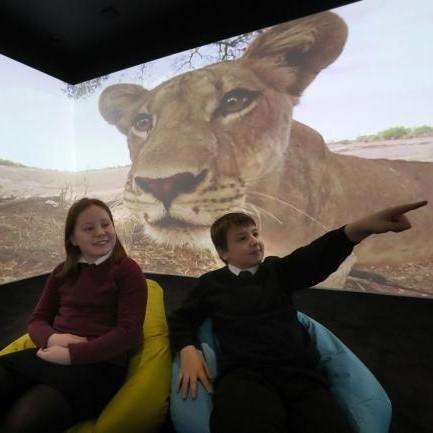
Augmented Reality (AR) and Virtual Reality (VR) require massive bandwidth and low latency. 5G unlocks the true potential of these technologies, enabling students to explore simulations, virtual field trips, and 3D models that bring complex subjects to life.
Real-Time Collaboration and Feedback
Group projects, collaborative whiteboards, and instant grading are more effective with 5G connectivity. Real-time feedback helps students and teachers bridge learning gaps promptly.
Increased Accessibility and Inclusivity
Students in rural or previously underserved areas can now participate in high-quality online courses without being hindered by slow connections or frequent drop-outs.
Practical applications & Real-World Case Studies
case Study 1: 5G-enabled Remote Science Laboratories
At several universities, 5G-powered remote labs allow students to control scientific experiments via video and sensors in real time.This not only bridges geographical divides but also enables hands-on learning for students who cannot access campus facilities.
Case Study 2: Virtual Classrooms in Rural Communities
Institutions in countries like South Korea and Finland have partnered with telecom providers to equip remote schools with 5G connectivity, allowing seamless participation in national education systems.The result? Improved student outcomes and reduced dropout rates.
First-Hand Experiences
- Student View: “With 5G, group projects just flow. We can work on shared documents and communicate with our professor live, without worrying about lags or disconnects.”
- teacher Insight: “AR and VR lessons were once just a dream due to connectivity issues. Now, they’re an everyday reality, making my classes more engaging and interactive.”
Challenges and Considerations
While 5G is packed with potential, deployment and adoption face a few hurdles:
- Infrastructure Gaps: Rolling out 5G networks, especially in rural or underprivileged regions, requires investments in both infrastructure and device compatibility.
- Data Privacy: Faster speed and broader access mean more data is transmitted across networks, making digital privacy and security even more essential.
- Training Needs: Teachers and students must be trained to make the most of new technologies such as AR/VR and remote labs.
Practical Tips: Maximizing the Benefits of 5G in Online Learning
- Upgrade Devices: Ensure learning devices are 5G-compatible to fully benefit from enhanced speeds and connectivity.
- Leverage Interactive Platforms: Choose learning management systems and video conferencing tools optimized for high-speed connectivity.
- Implement Security Best Practices: Use strong passwords,VPNs,and data encryption to protect information on 5G networks.
- encourage digital Literacy: Provide ongoing training for educators and students to effectively use emerging educational technologies.
- Harness AR/VR Tools: Incorporate immersive tools where appropriate to increase engagement and improve learning outcomes.
Looking Ahead: The Future of Online Learning with 5G
The future of education thrives on accessibility, customization, and continuous innovation. As 5G adoption spreads globally,expect to see:
- Greater use of adaptive learning platforms powered by AI,requiring fast,stable connections.
- Increase in global classrooms, connecting learners and educators worldwide in real time.
- Wider implementation of smart campuses,education IoT,and data analytics for tailored learning experiences.
- Economic uplift for rural and underserved regions, closing the digital divide.
Conclusion
5G connectivity is not just a technology upgrade—it’s an enabler of a new era in online education. By eliminating barriers created by poor connectivity, it creates opportunities for richer, more interactive, and equitable learning experiences. As students, educators, and institutions prepare for the future, embracing 5G means unlocking a world of possibilities and driving progress in education for all.
Ready to get started with 5G online learning? assess your needs, upgrade your tools, and embrace the high-speed, connected future of education!