
How 5G is Transforming Online Learning: Benefits,Challenges,and Future Impact
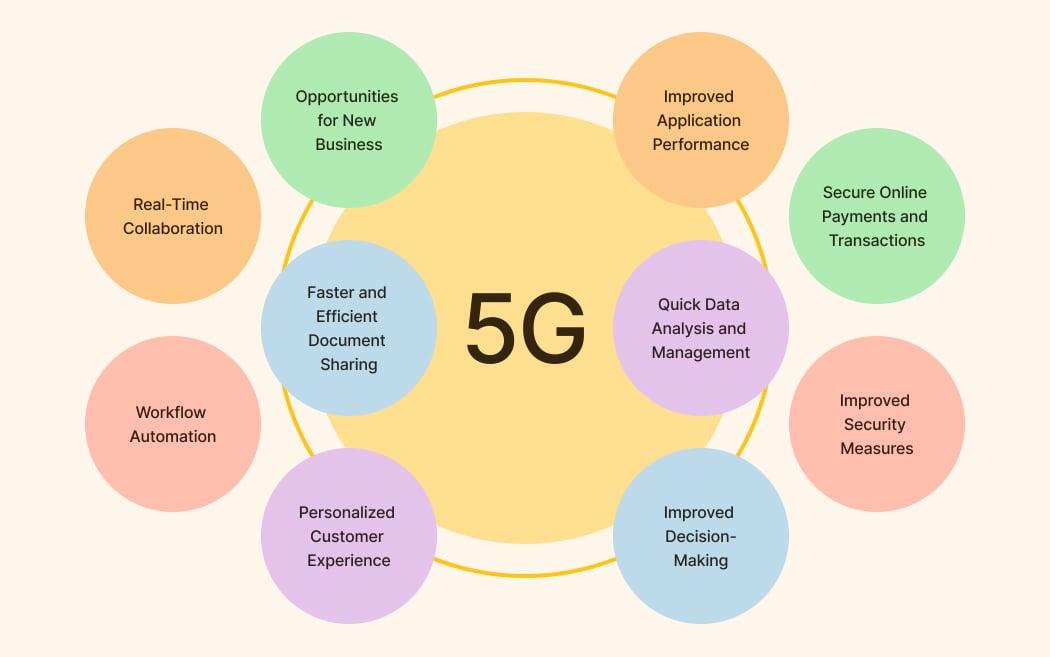
The digital education landscape is undergoing a dramatic conversion,driven by advances in connectivity technology. among the most significant of these is 5G wireless technology. with its lightning-fast speeds, ultra-low latency, and ability to seamlessly connect multiple devices, 5G is reshaping online learning for students, educators, and institutions. In this article, we explore how 5G is revolutionizing e-learning, uncovering its wide-ranging benefits, the challenges that must be overcome, and the future impact we can expect in education.
What makes 5G a Game Changer for Online Education?
5G technology is the fifth generation of wireless communication standards. Compared to its predecessor 4G, 5G enables data speeds up to 100 times faster, greater bandwidth, and ultra-reliable connections. For the field of online learning,these enhancements unlock new possibilities and improve access,engagement,and effectiveness for students everywhere.
- Faster loading and streaming: Instant access to high-definition videos and interactive content without delays or buffering.
- low latency: Real-time collaboration, live classes, and AR/VR experiences become smooth and immersive.
- Massive connectivity: Smart classrooms and IoT devices increase interactivity and personalize the learning environment.
Key Benefits of 5G in Online Learning
the deployment of 5G in the e-learning sector is already creating a ripple effect of innovation and improved educational outcomes. Here are some major benefits:
1. Enhanced Accessibility
- Bridging the Digital Divide: 5G’s broader coverage empowers students in rural and remote areas, breaking down geographical barriers.
- mobile Learning: Students can access quality education from anywhere using 5G-enabled devices, facilitating learning on the go.
2. Superior Learning Experiences
- High-Quality Streaming: 5G supports smooth streaming of HD and even 4K educational videos, allowing for richer multimedia lessons.
- AR & VR Integration: Augmented and virtual reality applications become more viable, offering immersive learning experiences like virtual labs, past reenactments, and 3D explorations.
3. real-Time Collaboration
- Interactive Classrooms: Teachers and students can interact in real time via video,live polls,and instant feedback tools.
- Global Partnerships: Seamless connections enable cross-border education and collaboration, promoting cultural exchange and diverse perspectives.
4. Empowering Teachers and Institutions
- Advanced Analytics: 5G infrastructure can process and transmit massive data sets, supporting AI-powered analytics that personalize instruction and track student progress.
- Smart Classrooms: IoT-enabled devices such as interactive whiteboards, smart tablets, and sensor-driven aids enrich the classroom environment.
Challenges in Adopting 5G for E-Learning
While the benefits are compelling, implementing 5G in online education comes with challenges:
- Infrastructure Investments: Upgrading networks and devices to be 5G-compatible requires substantial investment from schools and governments.
- Access Inequality: Not all students have direct access to 5G-enabled devices or networks, perhaps increasing the digital divide if not addressed.
- Cybersecurity Concerns: More connected devices and higher data flows can create vulnerabilities unless robust security measures are in place.
- Training Needs: Teachers and staff must adapt to new tools and teaching models that leverage 5G’s capabilities.
Addressing these challenges requires a collaborative approach involving policymakers, educators, technology providers, and communities.
Real-World Examples: 5G in Action in Education
Several educational institutions worldwide are leading the charge in adopting 5G for online learning. Here are some inspiring case studies:
- South Korea: Recognized for its rapid 5G rollout, South Korea’s schools are piloting 5G-powered smart classrooms, utilizing augmented reality (AR) for interactive science lessons.
- United Kingdom: The University of Liverpool is collaborating with telecom providers to test 5G-enabled virtual reality labs for remote science and engineering students.
- united States: A few K-12 school districts are equipping students in rural areas with 5G hotspots to ensure continuous access to digital classrooms despite limited broadband options.
These early adopters of 5G in education are setting the standard for connected, engaging, and personalized e-learning experiences.
Practical Tips: How to prepare for 5G in Online learning
- Upgrade Devices: Ensure that student and teacher devices are 5G-compatible for maximum benefit.
- Invest in Digital Literacy: provide training and support to help educators make the most of 5G-enabled tools and teaching methods.
- Prioritize Security: Implement strong cybersecurity policies as more devices and data become part of the learning ecosystem.
- Plan for Inclusivity: Work with local communities and governments to ensure all students—nonetheless of location or background—can access 5G resources.
Early planning and investment will help educational institutions transition smoothly and equitably into a 5G-powered era of online learning.
The Future Impact: What 5G Means for the Evolution of education
looking ahead, the ongoing 5G rollout is poised to revolutionize online learning. Here’s what the future coudl look like:
- Immersive Learning: Virtual reality field trips, AI tutors, and holographic lectures will become the norm, making learning more interactive and effective.
- Global Classrooms: 5G will blur geographical boundaries, making it possible for students worldwide to learn together in real time.
- Personalized Content: AI-driven analytics will use real-time 5G data streams to tailor lesson plans and resources to individual learning needs.
- greater Inclusivity: 5G’s broad coverage and flexible access can democratize education, reaching underserved and marginalized populations.
While obstacles remain, the synergy between 5G and online learning promises a future where high-quality, engaging education is accessible to all.
Conclusion: Embracing the 5G Revolution in Online Learning
5G is transforming online learning by enabling faster,more reliable,and interactive experiences for students and educators worldwide. As the technology matures and becomes more widely available, its adoption will eliminate barriers, spark innovation, and profoundly reshape education for the next generation. By addressing challenges proactively and investing in inclusive strategies,schools,universities,and training centers can fully harness the benefits of 5G to drive educational success in the digital age.
Whether you’re a student, teacher, tech leader, or policymaker, now is the time to understand and prepare for the pivotal role 5G will play in shaping the future of online and remote learning.