
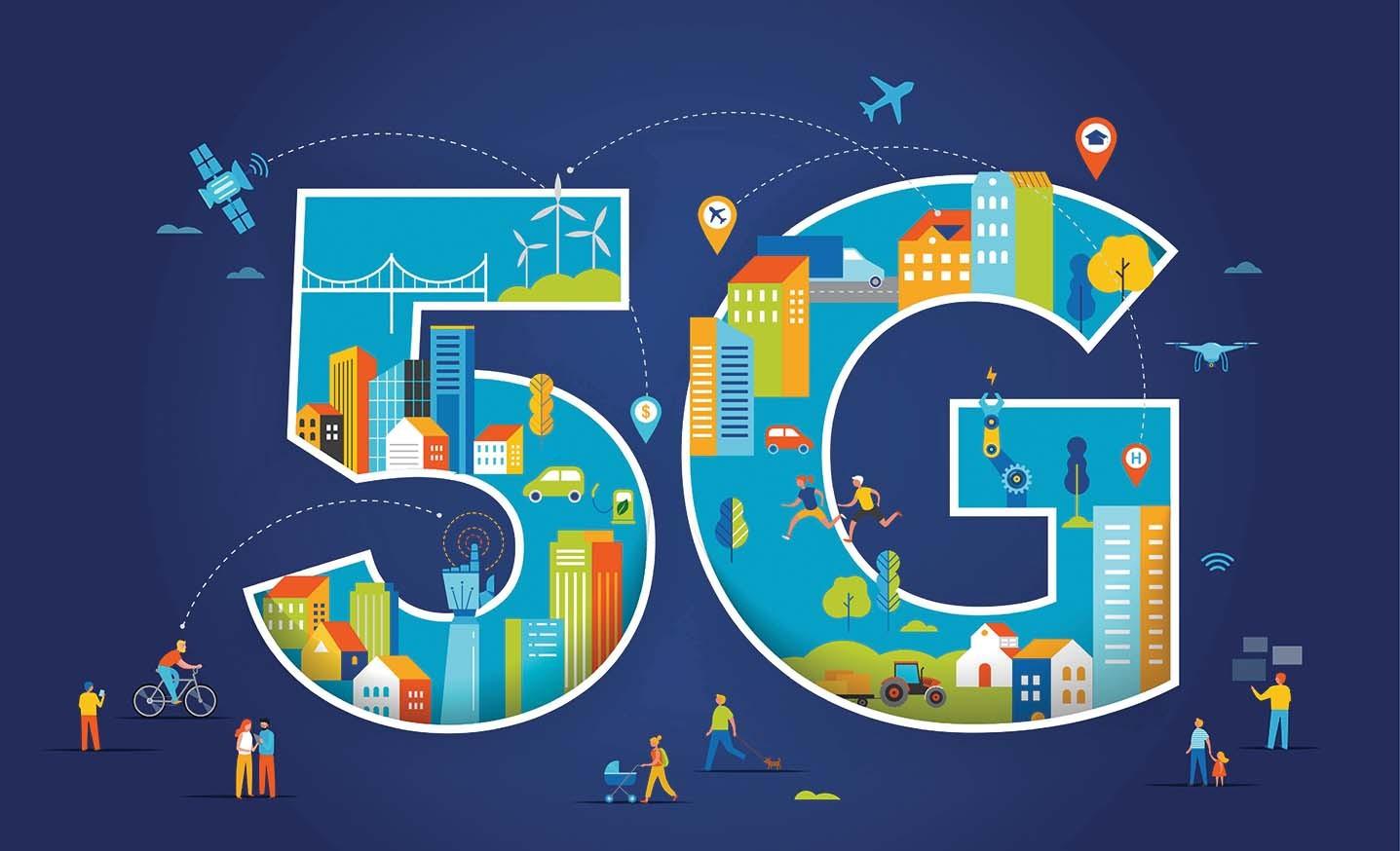
How 5G Is Transforming Online Learning: Enhancing Connectivity and Education
Keywords: 5G,online learning,remote education,educational technology,e-learning,digital classrooms,connectivity,student engagement,remote teaching,immersive learning
Introduction
The education landscape has experienced a paradigm shift with the advent of digital technology. Online learning, once considered a convenient alternative, is now mainstream, shaping the future of education globally. However, challenges like unstable connections, limited bandwidth, and delayed interactions have ofen limited the true potential of e-learning platforms. Now,5G technology is bringing about a revolution—offering ultra-fast connectivity,low latency,and expanded bandwidth. In this article, we explore how 5G is transforming online learning by enhancing connectivity and education, supporting digital classrooms, and powering a new wave of immersive, interactive educational experiences.
What Is 5G and Why Does It Matter for Education?
5G, the fifth generation of mobile network technology, promises speeds up to 100 times faster than 4G, lower latency, and the capability to connect massive numbers of devices.For the world of remote education, this means overcoming many traditional limitations of online learning. Whether it’s live video lectures, virtual reality (VR) learning modules, or collaborative digital projects, 5G unlocks new levels of reliability and responsiveness.
- High-Speed Data: Seamless streaming for HD video lessons and interactive content.
- ultra-Low Latency: Near-instantaneous feedback for students and teachers, enabling real-time interactions.
- greater Device Capacity: Supports numerous students and smart devices in digital classrooms without network congestion.
Key Benefits of 5G for Online Learning
Embracing 5G in e-learning platforms brings a host of benefits impacting every stakeholder—students, educators, and institutions. Let’s look at the most significant advantages:
1. Seamless, High-Quality Video Streaming
Live lessons and interactive webinars are the backbone of online learning. With 5G’s broad bandwidth and high speed, streaming HD and even 4K video becomes effortless, reducing buffering, delays, and disruptions. This ensures that students, irrespective of their location, experiance consistent and engaging learning environments.
2.Real-time Collaboration and Interaction
Traditional networks often struggle with synchronous group activities and live feedback. 5G enables instant dialog and sharing, facilitating group discussions, peer-to-peer projects, and instant doubt clarification—even in large virtual classrooms. Teachers can deploy interactive polls, quizzes, and collaborative whiteboards to enhance student engagement.
3. Immersive Learning Experiences with VR and AR
Technologies like virtual reality (VR) and augmented reality (AR) require robust, high-speed connections. With 5G, students can immerse themselves in virtual labs, historical simulations, or 3D anatomy explorations. This leads to more effective, hands-on learning, improving retention and interest.
4. Inclusivity and Accessibility
5G levels the playing field by providing reliable connectivity in rural, remote, and underserved areas. This addresses the digital divide, giving more learners access to quality remote education regardless of their geographical location.
5.Enhanced Support for Educational Technology Tools
From AI-powered tutors and adaptive learning systems to cloud-based homework platforms, educational technology thrives on fast, uninterrupted connections. 5G supports the deployment of innovative tools without delays, fostering personalized and data-driven learning experiences.
Case Studies: 5G in Action in Online Education
Several institutions and countries are already showcasing the transformative power of 5G in online learning:
- South Korea: Schools in Seoul have piloted 5G-connected VR classrooms. Students participate in immersive science experiments and field trips,leading to higher engagement and improved test scores.
- finland: Teachers use 5G-enabled smartboards to connect students from rural and urban areas in real-time collaborative sessions. Attendance and participation have increased notably since the deployment.
- China: Remote villages are now equipped with 5G infrastructure, allowing students to access live interactive lessons—previously impossible due to network limitations.
Practical Tips for Educators and Institutions to Leverage 5G in Online Learning
Transitioning to 5G-powered digital classrooms can deliver lasting benefits—if done strategically. Here are some practical steps and tips:
- Upgrade platforms: Ensure your LMS (learning management system) and digital tools are optimized for high-speed, low-latency networks.
- Adopt Multimedia Content: Incorporate HD videos, interactive graphics, and VR/AR modules to maximize student engagement.
- Train Staff: Equip teachers and administrators with skills and knowledge to leverage new technologies and teaching methods supported by 5G.
- Expand Accessibility: Use 5G to reach more learners in remote and underserved communities, making education inclusive.
- Monitor performance: Regularly assess the impact on student outcomes and seek feedback for continuous improvement.
Challenges and Considerations When Implementing 5G in Remote Education
While 5G in education is promising, challenges exist:
- Infrastructure Costs: Upgrading network infrastructure can be expensive for schools and governments.
- digital Literacy: Teachers and students may require training to fully benefit from new technologies.
- Privacy and Security: Enhanced connectivity introduces new data protection concerns.Robust cybersecurity measures must be put in place.
- Device Compatibility: Not all devices support 5G, possibly requiring additional investment in hardware.
The Future of Education: What 5G will Enable
The continued rollout of 5G in online learning is setting the stage for numerous advancements:
- Global classrooms: Students from diffrent continents collaborating in real-time on academic projects.
- AI-driven personalization: Learning pathways tailored instantly to individual needs, interests, and performance.
- Smart campuses: IoT-enabled campuses communicate seamlessly, automating administrative tasks and creating safer learning environments.
- Clever remote labs: Students conduct real scientific experiments virtually, with real-world results fed back instantly.
Conclusion
The integration of 5G technology into online learning marks an exciting new chapter for education. Enhanced connectivity, immersive experiences, and accessible remote classrooms are transforming the way students and educators interact, collaborate, and grow. While challenges in implementation exist, the benefits far outweigh the hurdles, promising a more inclusive, engaging, and effective educational experience for all. As 5G becomes ever more widespread, schools and institutions that embrace its potential will be better equipped to prepare learners for tomorrow’s digital world.
By harnessing the power of 5G, we move closer to a vision of education without limits—where every learner, regardless of location or background, can connect, participate, and thrive.