
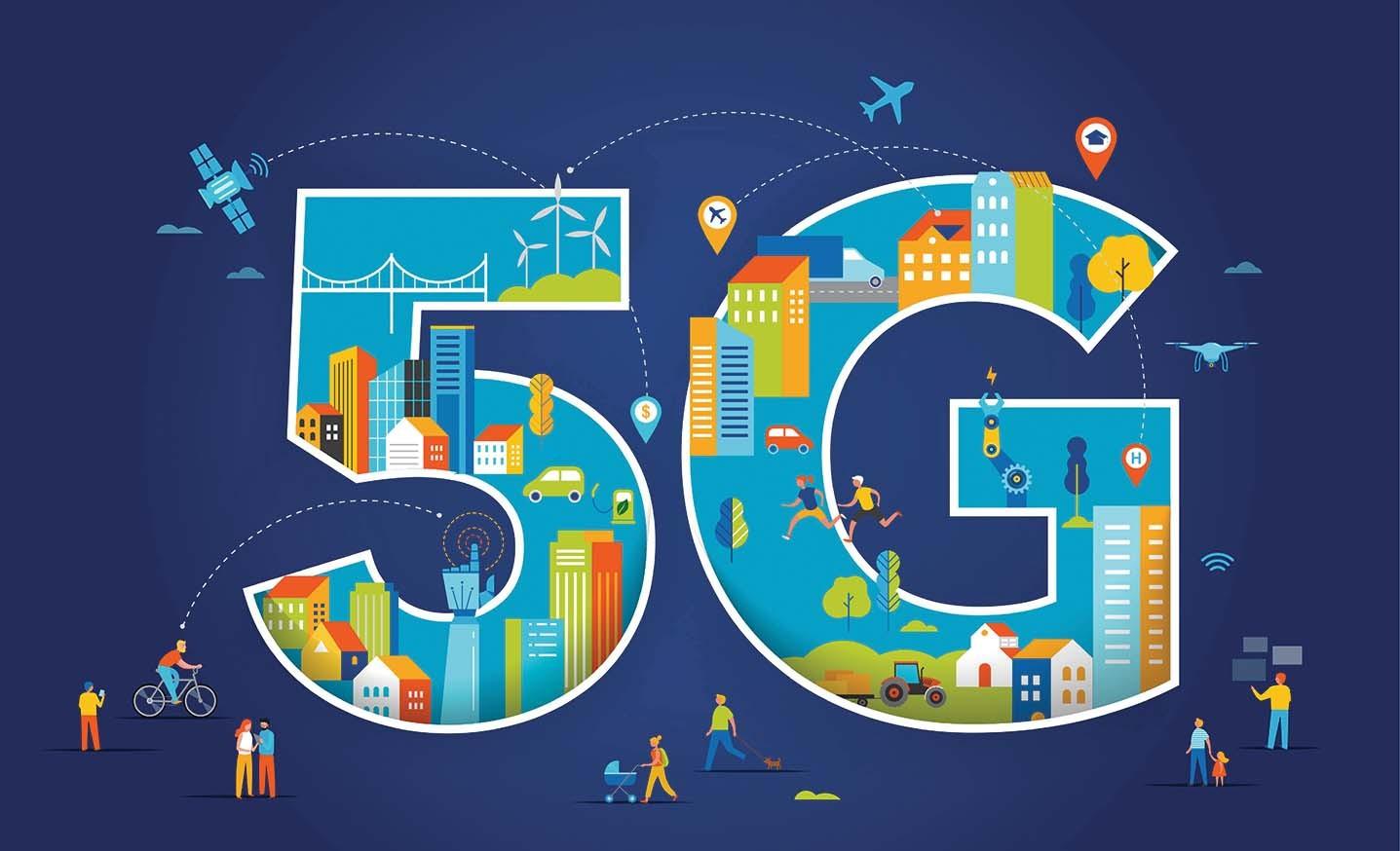
How 5G Technology is Revolutionizing Online Learning: Enhancing Speed, Interaction, and Accessibility
Online learning has evolved rapidly over the past decade, propelled by disruptive technologies and global events. Today, 5G technology is a game-changer, offering significant advancements in speed, real-time interaction, and accessibility in virtual classrooms. In this article, we’ll explore how 5G is revolutionizing online education, its key benefits, real-world applications, and practical tips for educators and students alike.
Introduction: The Shift too Online Education
The adoption of online learning surged in recent years, enabling learners from all backgrounds to access educational content, collaborate globally, and pursue lifelong learning opportunities. However, existing infrastructure often struggled with latency issues, limited bandwidth, and inconsistent connectivity—especially in rural or underserved areas. Enter 5G networks: with unprecedented speeds and reliability, 5G is poised to transform the landscape of digital education and bridge the digital divide.
what is 5G Technology?
5G, or the fifth generation of wireless technology, is the latest evolution in mobile internet connectivity, offering:
- Ultra-fast download and upload speeds
- Near-instantaneous data transfer (low latency)
- Ability to connect multiple devices seamlessly
Leveraging cutting-edge infrastructure, 5G ensures smooth streaming, real-time collaboration, and reliable connections, making it a perfect partner for modern e-learning platforms.
The Core Benefits of 5G for Online Learning
Here’s how 5G technology is changing the rules for online education:
1. Enhanced Speed for Seamless Learning
- Instant Content Access: Superfast download speeds mean students can access large files, video lectures, and interactive resources without interruptions.
- Buffer-free Streaming: Smooth, high-definition live sessions and on-demand videos—even in high-traffic times.
2. Ultra-Low Latency for Real-Time Interactions
- Instant Feedback: Teachers and learners interact in real time, with minimal lag, enabling dynamic discussions and collaborative problem solving.
- Smoother Virtual Classrooms: Issues like delayed audio, video glitches, and lag diminish substantially, resulting in an immersive learning experience.
3.Greater Accessibility and Inclusion
- Rural and Remote Connectivity: 5G enables underserved or remote regions to participate in quality online education, breaking down geographic barriers.
- Device Versatility: Students can join classes via smartphones, tablets, or laptops without worrying about weak Wi-Fi connections.
4. Empowering EdTech Innovation
- Augmented & Virtual Reality (AR/VR): 5G’s bandwidth makes immersive learning through AR and VR practical, engaging students through hands-on virtual experiences.
- AI-driven personalized Learning: with faster connectivity, AI-driven platforms can tailor lessons and feedback in real time.
Case Studies: 5G in Action in Education
Several educational institutions and platforms have already begun leveraging 5G to enhance their offerings:
- South Korea’s Smart Classrooms: Many schools use 5G-powered AR apps and high-definition video to deliver interactive STEM lessons, making complex concepts accessible and fun.
- Remote Rural Learning in India: Pilot projects bring 5G-enabled tablets to students in remote villages, allowing them to participate in live sessions with urban educators and access a wider range of digital resources.
- UK Universities & VR Labs: Institutions such as the University of Glasgow use 5G-enabled virtual reality labs for pharmaceutical and engineering education, giving students hands-on practice irrespective of their physical location.
First-Hand Experience: A Student’s Viewpoint
“When our school rolled out 5G across campus, the difference was immediate. Online lectures ran smoothly even with everyone connected,and we could finally try out virtual chemistry labs from home—something we could never do on our old network. Group projects actually felt like we were in person!”
— priya Sharma, University Student
Practical Tips for Maximizing 5G in online Learning
To harness the full potential of 5G for education, students and educators can:
- Update Devices: Ensure smartphones, laptops, or tablets are 5G-ready to benefit from the enhanced connectivity.
- Adopt Interactive Tools: Consider apps and platforms leveraging 5G for real-time quizzes, AR/VR lessons, and collaborative projects.
- Use Cloud-Based Resources: Take advantage of 5G’s speed for cloud storage,document sharing,and backup,ensuring work is always accessible and safe.
- Stay Informed: Keep up-to-date with the latest EdTech innovations that make the most of 5G’s capabilities.
Challenges and Considerations
While 5G opens up new horizons, some challenges still remain:
- Device Compatibility: Not all students or teachers may have immediate access to 5G-ready devices.
- Network Coverage: some rural areas may require infrastructure upgrades before full 5G coverage is achieved.
- Cost: Early adoption costs for new technologies can be high for both institutions and individuals.
However,as 5G becomes more widespread and affordable,these barriers are likely to decrease,making future online education even more inclusive and effective.
Future Trends: What’s Next for 5G and Online Learning?
- Widespread AR/VR Learning: Entire classrooms equipped with accessible VR headsets for lifelike science, history, and skill-based training.
- Virtual Field Trips: Real-time, 360-degree tours of museums, landmarks, and workplaces from any device, anywhere in the world.
- Massive Open Online Courses (MOOCs) Evolution: High-fidelity, globally connected courses with real-time group labs and collaborations.
Conclusion: 5G is the Future of Connected Learning
From creating buffer-free video lectures to enabling global, real-time collaboration, 5G technology is reshaping how we learn online. as educators, institutions, and EdTech developers embrace 5G, learning will become more interactive, accessible, and tailored to every learner’s needs.
Are you ready to unlock the future of education? By staying proactive—updating devices, embracing new platforms, and fostering a spirit of innovation—students and teachers can fully harness the power of 5G to create richer, more meaningful online learning experiences for everyone.
Keywords: 5G technology, online learning, e-learning, 5G in education, EdTech, virtual classroom, educational technology, remote learning, accessibility, interactive learning, 5G online education