
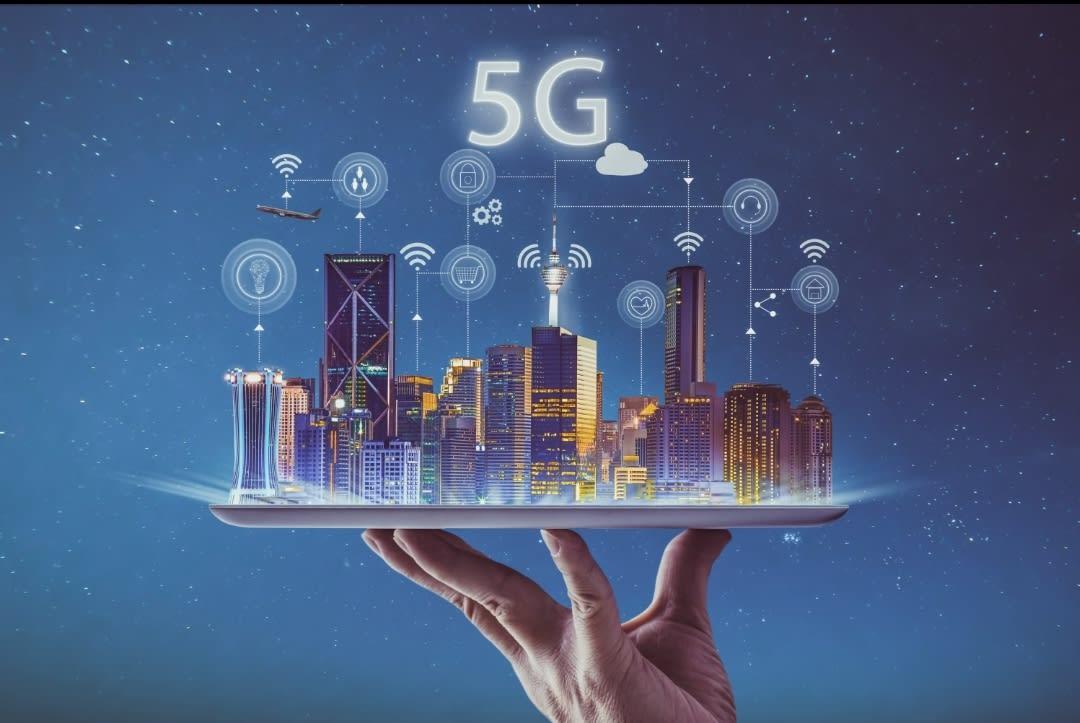
How 5G Technology is Revolutionizing Online Learning: Exploring Its Impact and Benefits
The world of online learning has experienced incredible transformation over the past decade. With the emergence of 5G technology, this evolution has accelerated at an unprecedented pace. but what exactly is 5G technology, and how is it revolutionizing online education? In this extensive guide, we explore the far-reaching impact and numerous benefits of 5G on digital learning, and why it stands at the heart of education’s future.
What is 5G Technology?
5G—short for fifth-generation wireless technology—represents the latest leap in mobile connectivity. Unlike its predecessors, 5G offers dramatically increased data speeds, near-instant connectivity, and the ability to reliably connect massive numbers of devices.With peak data rates exceeding 10 Gbps and latency as low as 1 millisecond, 5G is designed not just for smartphones, but for emerging technologies like AI, AR/VR, and the expansive Internet of Things (IoT).
- Ultra-fast data speeds: Stream high-definition (HD) content and interactive experiences without buffering.
- Low latency: Real-time interaction becomes seamless,crucial for live classes and collaboration.
- Massive connectivity: Supports thousands of simultaneous connections in the same area—essential for busy digital classrooms and campuses.
The Impact of 5G Technology on Online Learning
as the landscape of education shifts increasingly online—with blended and remote learning models gaining traction—5G technology is redefining what’s possible in digital classrooms. Here’s how:
1. enhanced Accessibility and Inclusivity
- Greater Reach: 5G bridges the digital divide by extending high-speed internet access to remote, rural, and underserved communities, democratizing access to quality education worldwide.
- Mobility: Students can participate in live lessons and access resources anytime and anywhere,using mobile devices and laptops,without being limited by unreliable connections.
2. Real-time and immersive Learning Experiences
- high-Quality Video Streaming: Attend HD or even 4K virtual classrooms with no lag,making webinars and video lectures more engaging and lively.
- AR/VR Integration: Experience virtual science labs, historical site tours, or medical simulations in real time, all enabled by the super-low latency and data throughput of 5G.
- Instant Feedback: Teachers can deliver assessments and personalized support efficiently, boosting student engagement and retention.
3. Increased Collaboration and Interactivity
- Seamless Group Projects: Collaborate effectively with peers globally, using real-time editing tools, video chats, and interactive whiteboards that work without delays or sync issues.
- IoT-enabled Devices: Classrooms can utilize interconnected smartboards, tablets, and sensors for interactive, data-driven learning experiences.
4. Supporting Advanced EdTech Applications
- Artificial Intelligence: Adaptive learning platforms and AI tutors process data faster, offering truly personalized learning paths for each student.
- Data-Intensive Modules: subjects like data science, programming, or digital art benefit from rapid cloud rendering and computing resources enabled by 5G’s bandwidth.
Key Benefits of 5G in Online Learning
The integration of 5G technology into online learning platforms offers both educators and learners a wealth of advantages:
- improved Reliability: Uninterrupted classes, stable connections, and higher participation rates—even with large numbers of concurrent users.
- Flexible Learning Environments: From the classroom to the coffee shop, learning seamlessly follows the student thanks to ubiquitous connectivity.
- Cost Reduction: By minimizing the need for expensive hardwired infrastructure, schools and organizations can invest more in content and innovation, rather than connectivity solutions.
- Inclusivity for special Needs: Students who rely on assistive technologies benefit from smooth, real-time interfaces that support accessibility apps and adaptive resources.
- Sustainable Development: Reduced commuting means a lower carbon footprint—supporting both education and environmental goals.
Real-World Case Studies
Organizations worldwide are already harnessing the power of 5G to innovate online education. Here are a few inspiring examples:
1. South Korea: Pioneering 5G-Enabled Smart Classrooms
In South Korea, 5G-equipped schools have adopted AR and VR-based science lessons, allowing students to explore molecular structures in 3D or take virtual field trips across the globe. Attendance rates and performance metrics have improved significantly due to increased engagement with the curriculum.
2. U.K.: Remote Learning for Rural Communities
Rural schools in the United Kingdom, once plagued by slow internet speeds, now provide students with high-quality livestreamed lessons, thanks to 5G networks. This has closed the gap between urban and rural education, ensuring equitable learning outcomes.
3. U.S.A.: Universities Embracing Immersive Technology
American universities are leveraging 5G for immersive distance learning—such as virtual medical training using AR headsets and collaborative engineering projects through real-time cloud platforms.
Practical Tips for Adapting to 5G-Powered Learning
- Upgrade Devices: Ensure your smartphone, tablet, or laptop is 5G-compatible to take full advantage of the benefits.
- Optimize Platforms: Educational institutions should migrate to EdTech platforms and apps optimized for 5G connectivity, such as HD video conferencing tools and real-time collaboration software.
- Prioritize Security: With higher speeds and more connected devices, it’s vital to adopt robust cybersecurity practices within the learning surroundings.
- Promote Inclusivity: Leverage 5G not only for mainstream content but also to enhance accessibility for students with special needs.
- Provide Training: Educators should receive ongoing training on leveraging 5G-powered tools and applications effectively in their teaching methodologies.
The Future of Online learning with 5G Technology
Experts predict that the next wave of educational innovation will be fueled by continued 5G adoption. Expect borderless classrooms, global peer-to-peer collaborations, and entirely new methods of personalized, interactive instruction.
As EdTech developers innovate,5G will enable:
- dynamic,AI-powered language interpretation and translation for international classrooms
- Enhanced gamified learning experiences for engagement and motivation
- Integration with the metaverse for experiential,future-ready education
- Expanded use of big data analytics to optimize teaching in real time
The possibilities are truly limitless—and the true revolution has only just begun.
Conclusion: 5G—A Catalyst for Educational Transformation
5G technology is poised to redefine the online learning landscape. Its impact goes far beyond faster connections; it enables innovative teaching approaches, equitable access, and immersive educational experiences previously unimaginable. For students, educators, and institutions that adopt and adapt to 5G-powered EdTech, the future of education shines brighter than ever.
Prepare for the next generation of digital learning—embrace 5G and unlock the full potential of online education!