
How 5G Technology is Revolutionizing Online Learning: The Future of education Connectivity
The world of education is undergoing a dramatic change, driven by rapid advancements in connectivity. at the heart of this evolution is 5G technology, which is set to supercharge online learning experiences and redefine the future of education connectivity. whether in a bustling urban center or in a remote village, 5G has the potential to bridge educational gaps and create a truly global digital classroom. In this article, we will delve into how 5G is revolutionizing e-learning, its benefits, real-life case studies, and practical tips for educators and learners alike.
What is 5G Technology?
5G refers to the fifth generation of mobile network technology, offering unprecedented internet speeds, ultra-low latency, and the capacity to connect millions of devices simultaneously. Compared to 4G, it’s up to 100 times faster and far more reliable. These advanced capabilities open new horizons for online education platforms that rely on stable, high-speed internet.
- High data speeds: Download speeds up to 10 Gbps
- Low latency: Millisecond responsiveness enables real-time interactions
- Massive connectivity: Seamless connection of numerous devices across campuses and homes
5G and Online Learning: A Game Changer
The integration of 5G and online learning is more than an upgrade—it’s a revolution in the way educators and students interact, access resources, and nurture creativity. Let’s break down the main ways this technology is reshaping digital education environments:
1.immersive Learning Experiences
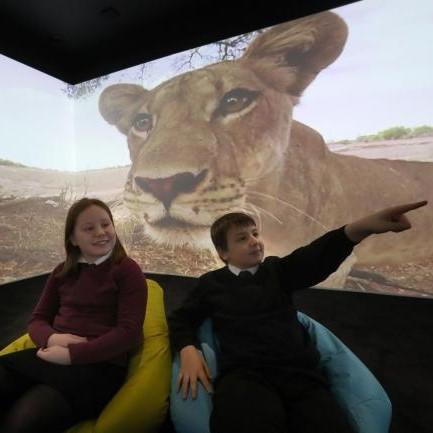
With 5G’s low latency and high bandwidth, technologies like augmented reality (AR), virtual reality (VR), and mixed reality (MR) are becoming mainstream in classroom settings. These immersive tools enable students to explore complex scientific concepts, participate in virtual field trips, and simulate medical procedures—all from their devices.
- Virtual classrooms for remote collaboration
- 3D interactive models for deeper understanding
- Real-time multilingual translation during lectures
2. Seamless Video Streaming and Real-Time Collaboration
High-quality video conferencing and collaborative projects are at the core of distance learning. With 5G, lagging connections and frozen screens become a thing of the past. Students worldwide can participate in real-time discussions, group assignments, and interactive workshops without disruptions.
3. Accessible Education for Remote Areas
One of the biggest hurdles in digital education is the lack of connectivity in rural regions.5G’s ability to cover wide geographical areas ensures quality online education reaches marginalized communities,leveling the playfield for all.
- Bringing expert teachers to underserved locations
- Enabling access to massive open online courses (MOOCs)
- facilitating remote tutoring and mentorship programs
Key Benefits of 5G in Education Connectivity
Adopting 5G technology in online learning unlocks a host of advantages for students, teachers, and educational institutions:
- reduced Dropout Rates: More stable connections and engaging content keep students invested.
- Enhanced Accessibility: Students with disabilities benefit from adaptive learning platforms powered by 5G.
- Personalized Learning: Real-time data and AI-driven recommendations deliver tailored education experiences.
- Cost Savings: Minimize the need for physical infrastructure, travel, and printed materials.
- Collaborative Innovation: Seamless teamwork between institutions, educators, and learners globally.
Case Studies: 5G-Powered Online learning in Action
The promise of 5G in education is not just theoretical. Here are real-world examples highlighting its impact:
Case Study 1: South Korea’s 5G Smart Classrooms
South Korea, a pioneer in 5G infrastructure, has rolled out smart classrooms equipped with AR/VR content, live 4K video lectures, and real-time collaboration tools. Result? Students report heightened engagement, faster comprehension, and greater motivation.
Case Study 2: Remote Learning in Rural India
In partnership with major telecom operators, remote Indian schools are leveraging 5G to deliver digital lessons to students who previously lacked connectivity. teachers use interactive modules, real-time quizzes, and cloud-based assessments to track progress effectively.
Case study 3: University of Glasgow’s AR Anatomy Classes
Thanks to their 5G campus network,medical students experience lifelike anatomy classes via AR Headsets. This immersive learning leads to improved retention and hands-on skills, especially during pandemic-driven campus closures.
Practical Tips: Making the Most of 5G in Online Learning
- Invest in Compatible Devices: Ensure that student and faculty devices support 5G to access the full spectrum of features.
- Leverage Collaborative Tools: Make use of cloud-based applications and learning management systems optimized for high-speed connectivity.
- Prioritize Security: Adopt secure platforms and educate all users about cybersecurity best practices in the 5G era.
- Encourage Interactive Content: Embrace multimedia, gamification, and AR/VR modules for enhanced engagement.
- Foster Digital Inclusion: Seek funding and partnerships to provide 5G-enabled devices to disadvantaged learners.
Potential Challenges and Solutions
while 5G technology in online learning offers transformative benefits, there are associated challenges:
- Infrastructure Gaps: Deploying 5G in remote or developing areas requires strategic investments and government support.
- Digital Divide: Not all students can afford 5G-capable devices; partnerships for affordable access are crucial.
- Data Privacy: Enhanced connectivity means increased data flows, necessitating stronger data protection measures.
Solutions include public-private partnerships, inclusive policies, and ongoing digital literacy training for teachers and students.
The Future of Education Connectivity: What Lies Ahead?
As 5G networks expand globally, online learning will grow more interactive, inclusive, and personalized. Expect further integration with AI-driven tutoring, multisensory virtual labs, and global student communities, blurring the boundaries between physical and digital classrooms.
- edge Computing: Processing data closer to the user for enhanced learning analytics and real-time interaction.
- IoT Integration: Connecting smart devices for campus-wide learning experiences and safety monitoring.
- global Classrooms: Connecting international schools for cross-cultural exchange and collaboration.
Conclusion: Embracing a New Era in Online Learning
The impact of 5G technology on online learning is undeniable, marking a bold new chapter in education connectivity. From enabling immersive experiences to democratizing access for underserved communities, 5G is ushering in a flexible, engaging, and dynamic future for students and educators worldwide. As institutions, policymakers, and technology providers collaborate, we are set to witness an era where true educational equity becomes a reality. The revolution is here—are you ready to harness the power of 5G in your digital classroom?