
How 5G Technology is Revolutionizing Online Learning: Unleashing the future of Education
The rapid progress of 5G technology is making waves across various sectors, but its influence on online learning and the broader education landscape is especially transformative. As educational institutions increasingly rely on digital learning platforms, 5G emerges as a powerful enabler, offering unprecedented speed, reliability, and capacity. in this article, we’ll explore how 5G technology is revolutionizing online learning, unveiling its benefits, implementation tips, and real-life case studies, and glimpse what the future of education holds.
Understanding 5G Technology: A Brief Overview
5G, or fifth-generation wireless network, represents a critically important leap forward from its predecessor, 4G LTE. It delivers ultra-fast internet speeds (up to 100X faster than 4G), ultra-low latency (less than 1 millisecond), and the ability to connect more devices simultaneously. These improvements underpin a smarter, more responsive infrastructure, perfectly aligned with the ever-growing demands of online education.
The Impact of 5G Technology on Online Learning
Integrating 5G networks in education brings about significant changes that go beyond just faster downloads. Here’s how 5G is empowering students, educators, and institutions:
- Seamless Video Streaming: 5G enables high-quality live lectures and video calls, virtually eliminating buffering, pixelation, and disconnections, even in high-density settings.
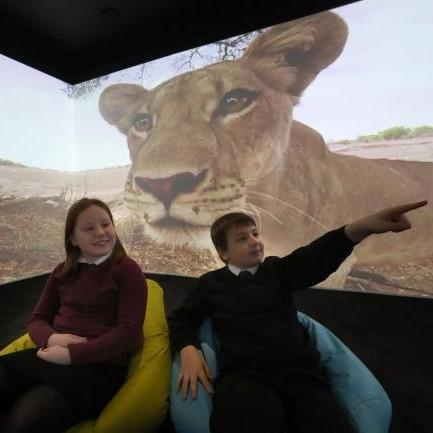
- Interactive and Immersive learning: Technologies like Augmented Reality (AR), Virtual Reality (VR), and real-time simulations become accessible at scale, fostering deeper engagement and experiential learning.
- Enhanced Mobile Learning: Students can participate in lessons and access educational resources on the go, thanks to the global coverage and robust connection that 5G offers.
- Real-Time Collaboration: Synchronous activities—group discussions, project work, remote labs—happen in real-time with minimal lag, making remote collaboration truly interactive.
- Bridging the Digital Divide: 5G paves the way for reliable connectivity in rural and underserved regions, promoting education equity and inclusion for all learners.
key Benefits of 5G in Education
- Ultra-Low Latency: Facilitates instant teacher-student interaction, critical for live quizzes, feedback, and dynamic discussions.
- High Bandwidth: Supports multiple connections and high data usage, essential for resource-heavy content like 4K videos and VR modules.
- Scalability: Allows educational platforms to handle large enrollments without performance dips, perfect for MOOCs and global classrooms.
- Device Connectivity: Connects not just computers and tablets, but also IoT devices, smart boards, and wearables for a futuristic “smart classroom” experience.
- Resilience & Reliability: Maintains stable connections during peak usage hours, preventing lessons from being interrupted by technical glitches.
Case Studies: Real-World Examples of 5G-Powered Learning
Institutions and EdTech innovators worldwide are already reaping the rewards of 5G.let’s spotlight a few inspiring case studies:
1. Virtual Science Labs with 5G
Schools in South Korea are piloting VR-powered science laboratories over 5G. Students can conduct virtual experiments, interact with 3D models, and collaborate with peers in real-time—all from the safety and comfort of their homes.
2. Remote Field Trips Using AR/VR
In the UK, history teachers organize virtual field trips to museums and archaeological sites using immersive VR and AR applications streamed over 5G.Students “walk” through ancient cities or observe past artifacts, making learning engaging and tangible.
3. Bridging Rural Education Gaps
In India, several NGOs and government programs leverage 5G hotspots to bring digital classrooms and live teaching to remote villages, breaking geographical barriers and providing quality learning opportunities previously out of reach.
Practical Tips: Preparing for the 5G-Powered Education era
While 5G technology unlocks new possibilities for online learning, effective adoption ensures institutions and students maximize its impact. Here’s what you can do:
- Upgrade Devices: Invest in 5G-ready smartphones, tablets, or laptops to fully capitalize on next-gen connectivity.
- Incorporate Immersive Content: Leverage AR/VR, 360° video tours, and interactive assessments designed for high-bandwidth environments.
- Focus on Digital literacy: Ensure both educators and learners are trained in navigating new tools and platforms seamlessly.
- Collaborate with EdTech Providers: Partner with technology companies and service providers for tailored 5G-enabled educational solutions.
- Advocate for Access: Work with community leaders and governments to expand affordable 5G coverage, bridging digital divides.
First-Hand Experiences: Voices from the Digital classroom
“The introduction of 5G-based VR lessons has made science come alive! Even students who struggled with engagement are now enthusiastic and curious. The real-time collaborative tools make remote group projects feel as if students are sitting side by side.”
—Ms. Anita Rao, High School Teacher, Bangalore
“now I can join classes from anywhere—even when traveling. There are no laggy videos or dropped connections.5G has made learning so much more flexible and accessible for me.”
—Daniel, University Student, London
5G and the Future of Online Education: What Lies Ahead?
As 5G technology matures and becomes ubiquitous, the future of online learning is poised for even greater innovation:
- Personalized Learning Journeys: AI-driven analytics powered by real-time data will offer customized lesson plans and instant feedback, adapting to each student’s unique pace and needs.
- Global classrooms: Geographical boundaries disappear as students from any part of the world participate in joint classes, cultural exchanges, and collaborative research projects.
- Gamified Learning Platforms: Realistic multiplayer educational games and simulations, supported by ultra-fast, low-latency connections, make learning more engaging than ever.
- Accessible Learning for All: 5G’s reach into remote and underprivileged areas democratizes education, fostering a culture of lifelong, inclusive learning.
conclusion: Embracing 5G for the Next Era of Education
The arrival of 5G technology is redefining online learning, offering speed, interactivity, and flexibility that were previously unimaginable. By unlocking immersive educational experiences, facilitating real-time collaboration, and bridging the digital divide, 5G paves the way for a smarter and more inclusive future of education.
To fully embrace this revolution, educators, learners, and institutions must stay proactive—upgrading technologies, fostering partnerships, and promoting equitable access. The journey to future-proofing education begins now, and 5G is set to be the backbone of transformative learning experiences for decades to come.
Are you ready to unlock the true potential of online learning with 5G?