
How 5G Technology is Transforming Online Learning: The Future of Digital Education
Online learning has undergone tremendous changes in the past decade. With the dawn of 5G technology, digital education is on the brink of another revolution. This article explores how 5G is changing the landscape of online learning, paving the way for a more engaging, interactive, and inclusive educational future. We’ll dive into its benefits, real-world impacts, practical tips, and what lies ahead for students, educators, and edtech innovators.
Table of Contents
- Introduction: The Link Between 5G and Online Learning
- Why 5G Technology Matters for Digital Education
- Key Benefits of 5G Technology in Online Learning
- Transformative Applications of 5G in Digital Education
- Real-World Case Studies: 5G in action
- Overcoming Challenges: Making 5G Accessible and Effective
- Practical Tips to Harness 5G for Better Online Learning
- The Future of Digital Education with 5G Technology
- Conclusion: Embracing the 5G-powered Education revolution
Introduction: The Link Between 5G and Online Learning
From the first correspondence courses to massive open online courses (MOOCs), technology has always been a driving force behind educational innovation.Now, with 5G networks spreading worldwide, the promise of ultra-fast, low-latency, high-capacity internet connectivity is poised to supercharge online learning. this synergy between 5G technology and digital education is more than just a boost in speed—it’s transforming how students access knowledge, interact with content, and collaborate with peers and instructors.
Why 5G Technology Matters for Digital Education
So, what is 5G technology? Put simply, it’s the fifth generation of mobile networks. Compared to its predecessor (4G), 5G offers:
- Data speeds up to 100 times faster
- Ultra-low latency (as little as 1 millisecond)
- greater connectivity (more devices at once)
- Improved network reliability and efficiency
These features create the perfect habitat for online learning platforms to flourish, especially as classes increasingly include video streaming, virtual reality (VR), augmented reality (AR), and interactive simulations.
Key benefits of 5G Technology in Online Learning
Let’s look at the most impactful ways in which 5G empowers digital education:
1. Seamless Video and Live Streaming
- Ultra-HD and 4K streaming: Reduced buffering ensures uninterrupted classes, perfect for live lectures or collaborative sessions.
- Instant feedback: Real-time quizzes, reactions, and Q&A sessions bridge the gap between educators and remote learners.
2. Enhanced Interactivity with VR/AR
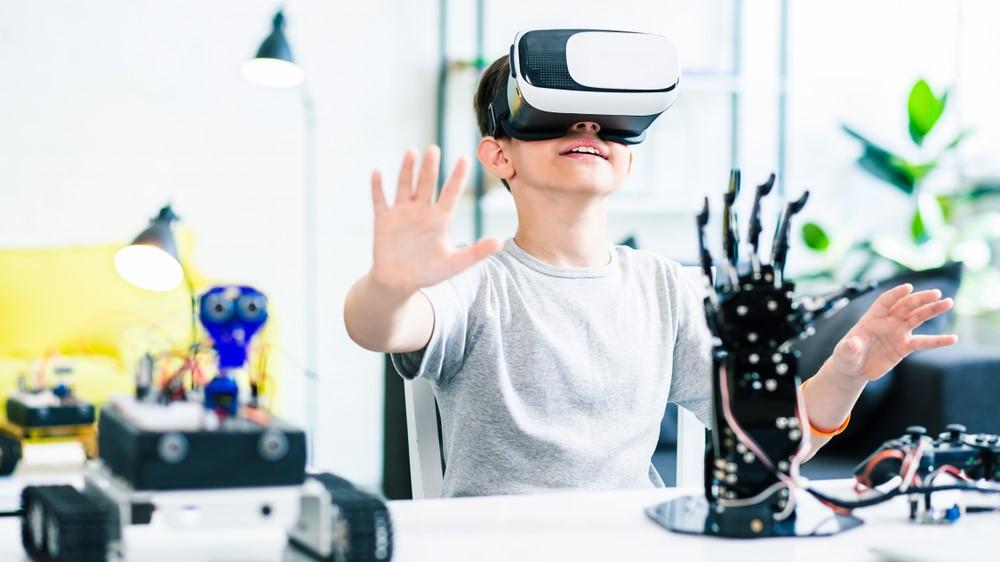
- Immersive virtual classrooms: 5G supports the bandwidth and data needs for VR and AR-based lessons, making complex topics more interactive and engaging.
- Simulations and labs: Science, engineering, and medical students can access realistic virtual labs from home.
3. Increased Access and inclusivity
- Rural and remote connectivity: 5G expands reliable, high-speed internet to underserved areas, narrowing the digital divide.
- Better device compatibility: Multiple connected devices seamlessly support collaborative projects,group study sessions,and more.
4. Lower Latency and Real-Time Collaboration
- Instant cloud access: No more waiting for files or resources to load; cloud-based textbooks, videos, and tools are accessible instantly.
- Live collaboration: Whiteboarding, editing, or building projects together is as smooth online as it is indeed in person.
5. Adaptive Learning and AI Integration
- Faster data exchange: AI-driven platforms can analyze student progress in real time and deliver adaptive content, quizzes, and personalized support.
- IoT-enabled learning spaces: Smart classrooms, powered by connected devices, monitor engagement and optimize the learning environment.
Transformative Applications of 5G in Digital Education
Here’s where theory meets practice. 5G-enabled technologies are transforming not just the delivery, but the very nature, of digital education:
- Virtual Field Trips: 5G allows students to explore past sites, museums, or even distant planets via immersive VR experiences with minimal lag.
- Augmented Reality Textbooks: interactive,3D models spring to life,helping learners grasp concepts visually and kinesthetically.
- Online proctoring & Exams: Colleges and certification providers leverage real-time video analytics and AI to ensure exam integrity and accessibility for all.
- Remote Mentoring & tutoring: Personalized, high-definition video sessions allow for meaningful student support irrespective of location.
- Gamified Learning Environments: rapid gameplay data exchange fosters multiplayer educational games and challenges,boosting motivation and retention.
Real-World Case Studies: 5G in Action
Let’s look at some inspiring examples where 5G technology has already begun to reshape online learning:
Case Study 1: South Korea’s 5G Smart Schools
In 2023, South korea rolled out 5G-enabled smart classrooms in select public schools. Students equipped with VR headsets took part in science and history lessons that featured real-time collaborative simulations. Teachers reported higher engagement and comprehension,especially for complex topics such as molecular biology or world history timelines.
Case Study 2: 5G Remote Medical Training in the UK
During the COVID-19 pandemic, medical schools in the UK used 5G-powered AR applications to deliver remote surgical training. Students and instructors interacted in real time over high-definition video feeds, allowing for instant feedback and hands-on skill growth—no matter their physical location.
Case Study 3: Rural Digital Inclusion in India
Pilot programs in rural India leveraged 5G-connected learning hubs to deliver quality education to areas previously limited by poor connectivity. The introduction of cloud-based, interactive platforms led to measurable improvements in student attendance and exam performance.
Overcoming Challenges: Making 5G Accessible and Effective
Despite its transformative potential, 5G in online learning still faces some hurdles:
- Device readiness: Not all students have access to 5G-compatible devices or supporting hardware (like VR headsets).
- Infrastructure rollout: Some regions, especially rural or developing areas, may experience delays in 5G network deployment.
- Digital literacy: Both learners and educators need training to make the most of new 5G-powered tools.
- Privacy and security: Increased connectivity requires robust cybersecurity and data protection measures.
Solving these challenges means building partnerships between schools, governments, tech companies, and communities. Grants, device loan programs, and teacher training workshops all play a part in maximizing the reach and impact of 5G-powered online education.
practical Tips to Harness 5G for Better Online Learning
As we look to the future of digital education,here’s how students,teachers,and institutions can prepare to make the most of 5G technology:
- Invest in 5G-ready devices: Choose devices that support the latest network technology for the best experience.
- Explore interactive platforms: Seek out educational apps and platforms that utilize VR, AR, and real-time collaboration features.
- Encourage digital literacy: Regular workshops for students and faculty ensure everyone can leverage new tools confidently.
- Advocate for equity: Support community initiatives that bring 5G and device access to underserved learners.
- Focus on cybersecurity: Keep your learning environment safe with up-to-date software and secure login practices.
The Future of digital Education with 5G Technology
Education experts agree: the classroom of tomorrow will look very different from that of today. With 5G’s continued rollout,expect to see:
- Fully immersive online courses using VR and AR for real-world skill building
- Personalized,AI-driven curricula updating in real time
- Inclusive access for all learners,regardless of geography
- Smarter,data-driven decision making for teachers and administrators
Ultimately,5G technology doesn’t just speed up the internet—it accelerates the evolution of what’s possible in digital education.
Conclusion: Embracing the 5G-Powered Education Revolution
The impact of 5G technology on online learning is already evident and will only grow stronger. By enabling richer, faster, and more inclusive educational experiences, 5G is shaping the future of digital education. As we embrace these opportunities and overcome the remaining hurdles, educators and students alike can look forward to an online learning environment that is more engaging, accessible, and effective than ever before.
Stay connected—literally and figuratively—to this rapidly changing landscape and make the most of the digital education revolution, powered by 5G.