
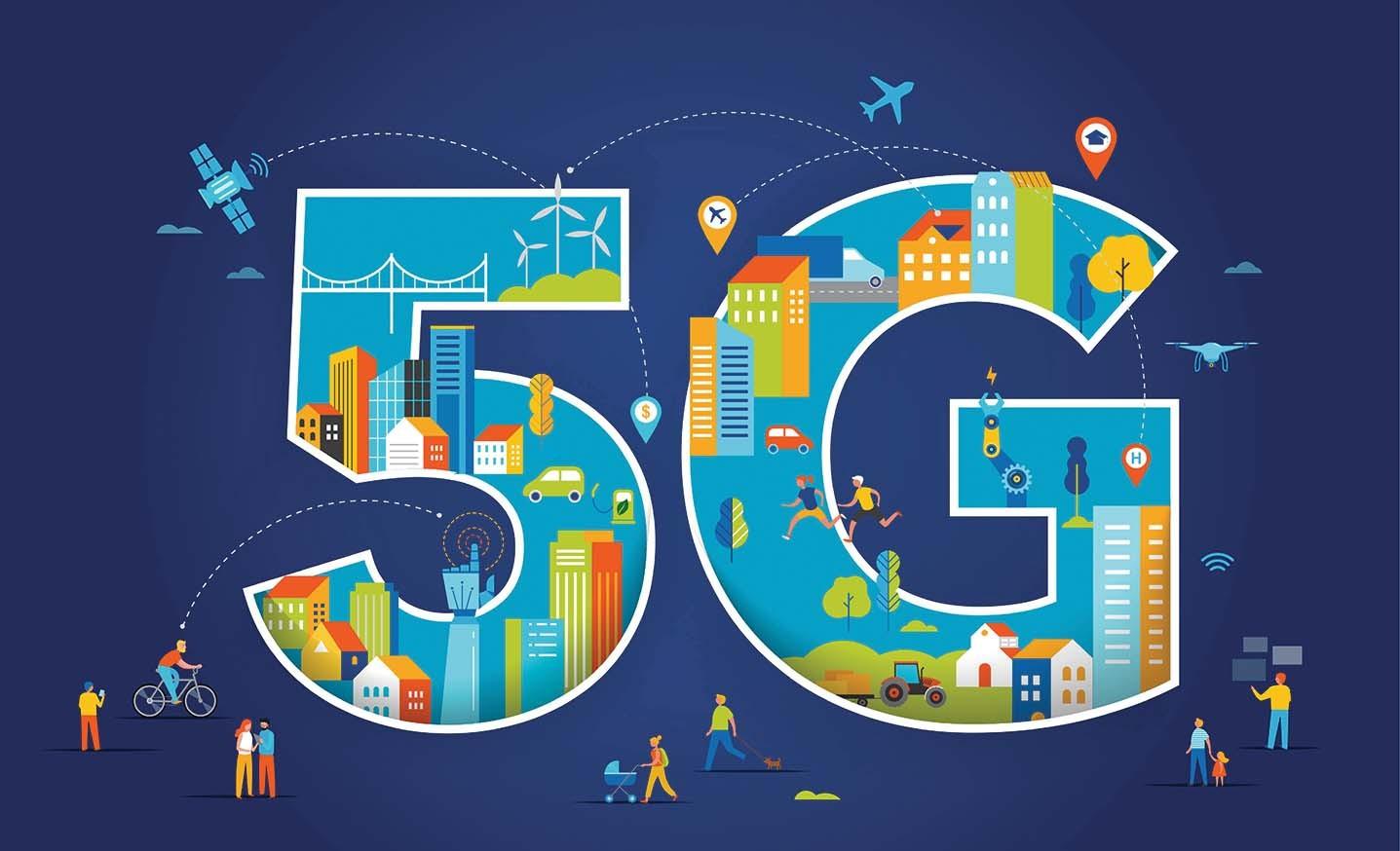
How 5G Technology Transforms Online Learning: Key Benefits and Future Impact
The emergence of 5G technology is setting new standards for digital connectivity, especially in education. As online learning gains popularity globally, educators and students seek more accessible, engaging, and effective digital experiences. This article delves into how 5G technology transforms online learning, discussing key benefits, practical impacts, and envisioning the future of digital education.
Understanding 5G Technology in Online Learning
5G technology refers too the fifth-generation mobile network, boasting ultra-fast speeds, lower latency, and increased bandwidth compared to its predecessors. In online learning, 5G enhances how students and teachers interact, making virtual classrooms more seamless, interactive, and immersive.
- Data transfer rates up to 10 Gbps
- Latency as low as 1 millisecond
- Capacity to connect millions of devices concurrently
- supports advanced technologies such as VR and AR for education
The key Benefits of 5G Technology in Online Learning
1. Ultra-fast Internet Speeds
Online learning platforms rely on stable,high-speed connections. 5G delivers remarkable speed improvements, allowing for:
- Effortless streaming of HD and 4K educational videos
- Instant access to cloud-based resources and lecture recordings
- Quick downloads of large educational files and assignments
- Smoother real-time collaboration without lag or buffering
2. Low Latency: Real-Time Interactivity
Online discussions, virtual classrooms, and interactive lessons thrive when responses are delivered in real time. With 5G’s minimal latency:
- Live video classes feel as natural as face-to-face sessions
- Instant messaging and feedback enhance student engagement
- Gamified learning and quizzes operate seamlessly
- Collaborative projects on shared digital platforms become more effective
3. Enabling Immersive Technologies (VR/AR)
5G technology empowers educators to leverage Virtual Reality (VR) and Augmented Reality (AR) in online learning:
- Virtual field trips to ancient sites and science labs
- Simulated hands-on experiences in engineering and medicine
- Interactive 3D models for STEM education
- Enhanced visualization for complex subjects
4.Widened Access and Inclusivity
5G extends digital learning opportunities to remote and underserved areas:
- Support for mobile-based learning on smartphones and tablets
- Bridging the digital divide in rural and low-income communities
- Personalized learning for students with special needs through adaptive technologies
- Greater participation from a diverse student population
5.Improved Reliability and Connectivity
5G networks are designed for more consistent coverage and fewer dropouts:
- Reliable connections during peak usage times
- Stable performance for large-scale webinars or online conferences
- Reduced risk of technical issues disrupting lessons
Practical Tips: Maximizing 5G in Online Learning
To unlock the full potential of 5G technology for digital education, consider the following strategies:
- Upgrade devices: Ensure smartphones, tablets, and laptops support 5G connectivity.
- Select Compatible platforms: Use learning management systems optimized for high bandwidth and low latency.
- Explore VR/AR Content: Integrate immersive educational tools that harness 5G capabilities.
- secure Connections: prioritize cybersecurity measures to protect student data on fast networks.
- Facilitate Group Work: Organize real-time brainstorming sessions and group assignments using conferencing tools.
Real-World Case Studies: 5G in Action
South Korea’s “Smart Education” Initiative
South Korea’s rapid 5G deployment enabled the government and private sector to collaborate on “Smart Education.” Schools utilize 5G-powered VR classrooms, giving students hands-on science experiments and virtual collaboration with peers worldwide, revolutionizing the digital learning experience.
US University Remote Labs
Several US universities partner with telecom providers to create remote, 5G-enabled engineering and medical labs. Students access real-time video feeds and control lab equipment remotely, fostering practical skills in a virtual surroundings.
India’s Rural Learning Expansion
In rural India, 5G pilot projects introduced real-time online learning in underserved areas, improving access to quality teachers and comprehensive educational resources. Attendance rates and engagement levels spiked due to smoother connections and interactive content.
First-Hand Experience: Transforming Student Engagement
Teachers and students using 5G-powered online platforms share an notable shift in engagement:
- More dynamic classroom discussions via HD video
- Faster problem resolution during live technical sessions
- Effortless participation from students living in rural or mobile-only households
- Deeper understanding through interactive simulations and virtual labs
Early adapters highlight increased motivation, better collaboration, and higher academic achievement thanks to the reliability and efficiency of 5G networks.
Future Impact of 5G on Online Learning
the ongoing evolution of 5G technology in education promises a digital classroom landscape rich in innovation and accessibility. Here’s what the future holds:
- Global Classrooms: Seamless cross-border education experiences thanks to instant, high-quality connections
- AI-Powered Learning: Real-time analytics, adaptive tutoring, and automated grading through robust data networks
- Expanding XR Applications: Growth of mixed reality, holographic lessons, and immersive group projects
- Personalized Education: Tailored learning journeys leveraging big data and fast feedback loops
- Professional Development: Enhanced teacher training, peer collaboration, and global sharing of best practices
As 5G expands, expect rapid advancements in online learning tools and greater opportunities for lifelong education, nonetheless of geography or background.
Conclusion: Embracing the Future of Digital Education
The integration of 5G technology in online learning represents a meaningful leap for digital education. With faster speeds, low latency, and support for advanced tools like VR and AR, 5G empowers students and educators everywhere to experience richer, more interactive, and inclusive virtual classrooms.By adopting 5G-powered solutions, schools and learners stand ready to embrace the future — where quality education is accessible, engaging, and transformative.
Stay informed and explore ways to leverage 5G technology for online learning as the digital world evolves.The future of education is already here — and it’s faster, smarter, and more connected than ever before.