
how a Motion Graphics Designer Elevates E-learning: Key Skills & Impact
Are you passionate about visual storytelling and looking to make a difference in education? As universities,colleges,and schools increasingly embrace digital learning,teh role of the motion graphics designer in e-learning has never been more influential. Whether you’re seeking a creative position or aiming to transition into education technology careers, understanding how motion graphics design impacts the e-learning landscape is crucial. In this comprehensive guide, we explore the key skills every motion graphics designer needs, the far-reaching benefits of their work, and practical tips to break into this dynamic field.
The Importance of Motion Graphics in E-Learning
With the rapid digital transformation of classrooms and lecture halls, motion graphics designers are pivotal in creating engaging and accessible educational content.Their ability to turn complex topics into visual narratives helps students of all ages grasp concepts faster and retain data longer. Here’s why motion graphics design matters in modern e-learning:
- Increased Engagement: Motion graphics capture students’ attention, transforming static lessons into interactive experiences.
- Improved Comprehension: Animated visuals simplify complex processes, making abstract and challenging subjects easier to understand.
- Universal Accessibility: Visual and kinetic learning styles are supported, accommodating a wider variety of learners.
- Consistent Quality: Professional motion graphics ensure educational content is polished and cohesive across online platforms.
Key Skills Every Motion Graphics Designer Needs for E-Learning
To excel in education technology roles within universities and schools, a motion graphics designer must possess a diverse skill set that combines creative artistry with technical fluency. Here are the essential skills to develop:
1.Proficiency with Animation & Design Software
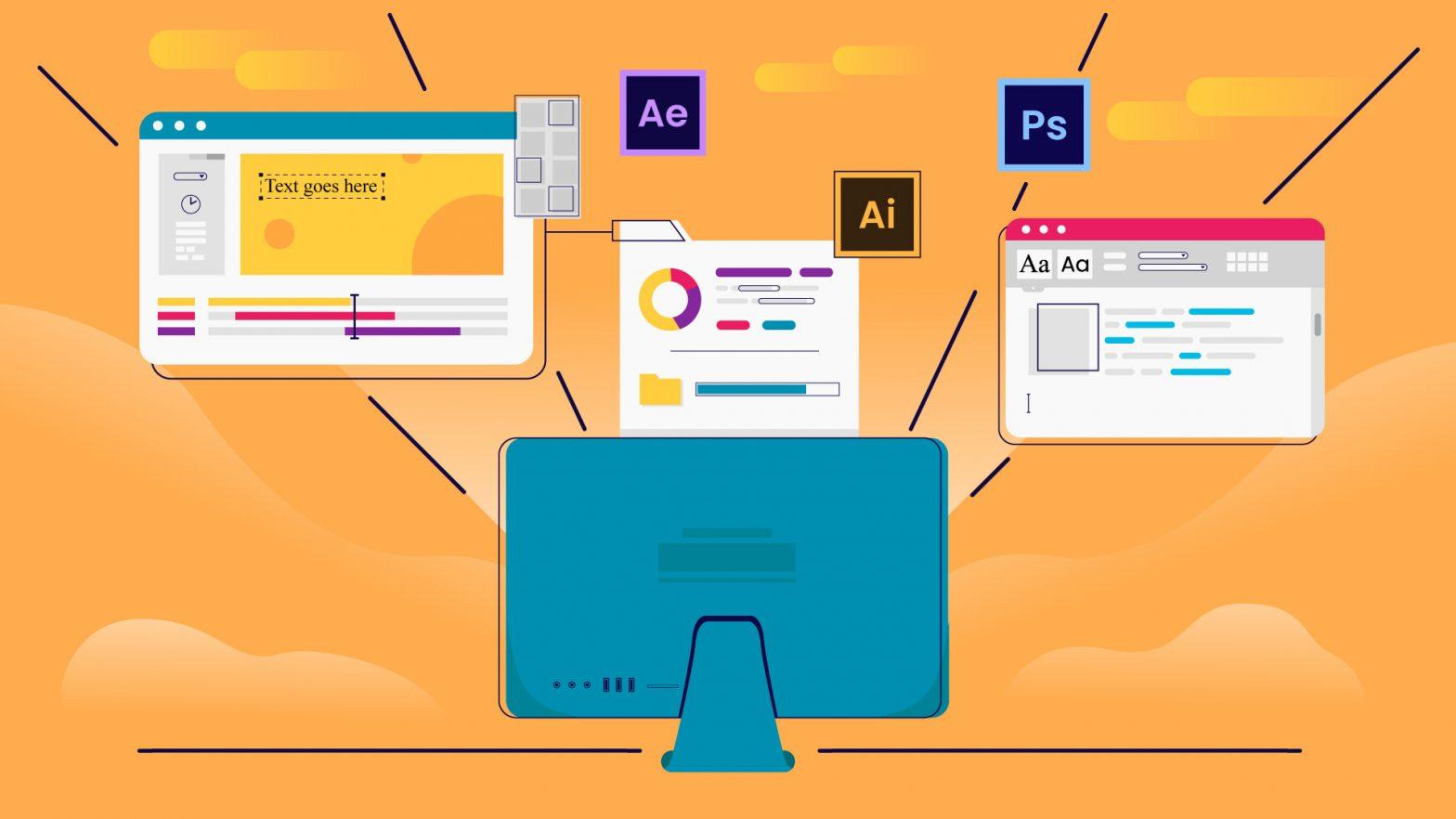
- Adobe after Effects, Premiere Pro, and Photoshop: Foundation tools for crafting, editing, and refining motion graphics.
- Cinema 4D, Blender, or Maya: 3D animation tools add depth and realism to educational graphics.
- Illustrator & InDesign: For designing vector elements and integrating assets across platforms.
2. Understanding of Learning Theories and Pedagogy
- Knowledge of instructional design principles helps in creating graphics that align with learning objectives.
- Ability to collaborate with educators and course designers to ensure visuals reinforce key messages.
3. storytelling and Visualization Skills
- Translating complex academic material into engaging visual stories for diverse student audiences.
- Scriptwriting basics to ensure graphics convey clear, concise cues in tutorials or explainer videos.
4. Technical Skills and Adaptability
- Familiarity with various e-learning platforms (such as LMS systems) and digital media formats.
- Ability to optimize graphics for web, mobile devices, and accessibility standards.
5. Strong Communication and Teamwork Abilities
- Regularly collaborating with educators, subject matter experts, and technology teams for seamless integration of visuals.
- Communicating design ideas effectively to non-designers and gathering constructive feedback.
The Impact of Motion Graphics Designers on Education Technology
Motion graphics designers are critical to the success of e-learning programs across universities and schools. their contributions go beyond simple visual appeal – they fundamentally enhance how students interact with and absorb content. Here’s a closer look at their impact:
Transforming Customary Content into Interactive Experiences
- Motion designers convert lecture slides or textbooks into animated infographics, simulations, and virtual walkthroughs.
- This interactivity sustains learner motivation and can improve both attendance and performance in digital classrooms.
Supporting Diverse Learning Styles
- By integrating audio, video, and animated visuals, motion graphics designers cater to visual, auditory, and kinesthetic learners alike.
- Accessibility features, such as captioned graphics and tactile animations, support students with different abilities.
Strengthening Institutional Branding
- Consistent, professional motion graphics reinforce a university or school’s visual identity, helping attract prospective students and donors.
- Branded e-learning modules distinguish an institution’s digital offerings from competitors.
Benefits of Becoming a Motion Graphics Designer in Education
If you’re considering a motion graphics designer job in education, you’re entering a field where your creativity literally shapes the future of learning. Some top benefits of working in this in-demand role include:
- High Demand: With remote and hybrid learning on the rise, educators need skilled visual designers more than ever.
- Opportunity to Innovate: You’ll be at the forefront of educational innovation, developing creative solutions for learning challenges.
- Meaningful Impact: Your work will have measurable effects on student success and engagement across disciplines.
- Continuous Learning: Collaborating with academic experts gives you access to cutting-edge research and new areas of knowledge.
- Career Versatility: Skills in motion graphics design are valued not only in academia but also in ed-tech companies, publishers, and online course platforms.
Practical Tips for Landing a Motion Graphics Designer Role in education Technology
Ready to launch your career as a motion graphics designer in education technology at a university, college, or school? Here are actionable steps to set yourself apart in the job market:
1. Build a Strong Portfolio
- Showcase e-learning projects, explainer videos, and academic visualizations in your portfolio.
- Include detailed case studies that explain your design process and the educational outcomes achieved.
2. Learn the Language of Education
- Familiarize yourself with common educational terminology and pedagogical frameworks.
- Demonstrate your understanding of how design supports learning objectives during interviews.
3. Network with Industry Professionals
- Attend conferences and webinars related to education technology and digital learning design.
- Join online forums or social media groups for e-learning professionals and motion graphics designers.
4. Stay Up-to-Date with Trends and Tools
- Continuously upgrade your skills; explore emerging tools like augmented and virtual reality for education.
- Experiment with micro-learning, interactive quizzes, and gamified educational media.
5. Highlight Relevant Soft Skills
- Problem-solving, adaptability, and empathy are highly valued traits in education sectors.
- Showcase your ability to receive feedback, iterate quickly, and work as part of a multidisciplinary team.
Future Trends: The Evolving Role of Motion Graphics in Education
As technology continues to evolve, so does the role of the motion graphics designer in e-learning. Here are some trends to watch:
- immersive Learning: Motion graphics combined with VR and AR technologies offer fully interactive simulations for science, history, and technical training.
- Personalized Visual Learning Paths: Adaptive motion graphics tailor visual content to individual learners’ progress and needs.
- AI-Driven Design: Artificial intelligence helps automate the creation of visually engaging, customized educational materials.
Staying aware of these trends can definitely help you position yourself as a forward-thinking candidate for any education technology career.
Conclusion: Shaping the future of learning with Motion Graphics Design
The increasing reliance on digital content in universities, colleges, and schools has placed motion graphics designers at the heart of modern education technology. By blending creative storytelling, technical expertise, and a passion for learning, motion graphics designers transform e-learning experiences for students and institutions alike. If you’re ready to make a meaningful impact—while enjoying a rewarding career—there’s never been a better time to pursue a role as a motion graphics designer in education. Equip yourself with the right skills, build a compelling portfolio, and step confidently into this exciting and impactful field.