
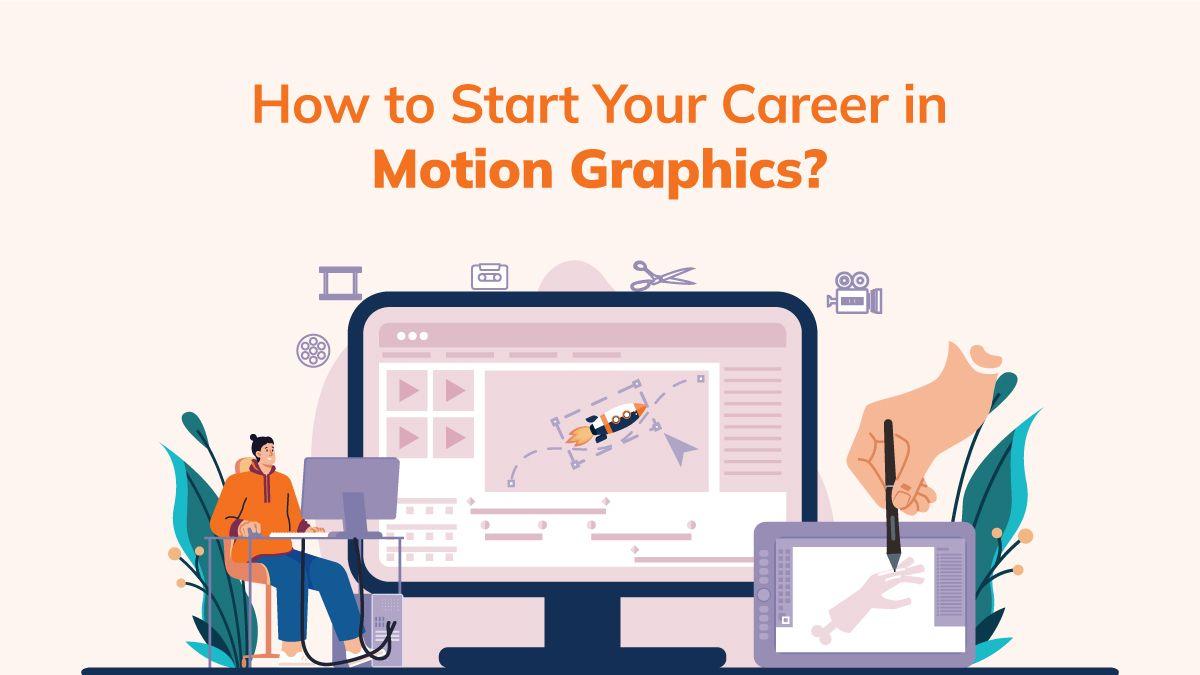
How a Motion Graphics Designer Elevates E-Learning: Key Skills & Strategies
The world of education technology is rapidly evolving, making career opportunities in schools, colleges, and universities more dynamic than ever. One of the most exciting roles to emerge in this sector is that of the motion graphics designer. These creative professionals play a crucial role in shaping engaging e-learning experiences—transforming educational content with animations, visual effects, and dynamic storytelling. If you’re looking to land a job as a motion graphics designer in edtech, this comprehensive guide will walk you through the vital skills, benefits, and strategies you need to know.
Why motion Graphics Matter in E-Learning
E-learning platforms rely on captivating visuals to keep students engaged, motivated, and on track. With attention spans dwindling and digital distractions rising, the impact of high-quality motion graphics in educational content can’t be understated.
- Increased Engagement: Animated visuals break down complex concepts, making lessons more accessible and memorable.
- Improved Retention: Studies show that learners retain details better when paired with relevant animation and graphics.
- Enhanced Accessibility: Motion graphics can cater to diverse learning styles, bridging gaps for visual and auditory learners.
- Consistent Branding and Cohesion: Universities and schools benefit from consistent and polished designs across all digital content.
Key Skills for a Motion Graphics Designer in Education Technology
Aspiring motion graphics designers eager to work in academia must develop a tailored skill set to effectively support educators and students. Here are the core competencies you’ll need:
1. Mastery of Animation Software
- adobe After Effects, Premiere Pro, and illustrator are industry standards for creating and editing motion graphics.
- Knowledge of other platforms such as Blender or Cinema 4D can help in developing complex 3D educational assets.
2. Visual Storytelling
- Ability to distill academic concepts into compelling animations that simplify learning material.
- Strong understanding of layout, color theory, and graphic design principles ensures clarity and impact.
3. Collaboration and Interaction
- Working with instructional designers, subject matter experts, and faculty to ensure animations align with curriculum objectives.
- Clear communication of design ideas and feedback is essential in the educational surroundings.
4. UX and Accessibility Awareness
- Designing graphics with diverse learners in mind, making sure animations are inclusive and easy to understand.
- Understanding accessibility standards (e.g., WCAG) for educational content.
5. Time and Project management
- Handling multiple projects for different departments or courses, frequently enough under tight deadlines.
- Using organizational tools and workflow methods to stay productive.
Strategies to Elevate Educational Content with Motion Graphics
It isn’t just about the technical know-how—motion graphics designers who stand out in edtech adopt innovative strategies to maximize the impact of their work. Here’s how you can set yourself apart when applying for university, college, or school roles:
1. Focus on Microlearning Content
- Break information into bite-sized modules—short animations help students digest key concepts quickly.
- Simplified graphics and speedy transitions make e-learning content accessible on mobile devices.
2. Use interactive Animations
- Design graphics that enable student participation—clickable elements, drag-and-drop features, or animated quizzes.
- Gamification techniques can be integrated to boost motivation.
3.Prioritize Inclusive Design
- Choose color palettes that accommodate color vision deficiencies.
- Include captions and audio descriptions for animated sequences.
4. Align with Institutional Goals
- Understand the mission and values of the educational institution and reflect them in your designs.
- Ensure animations reinforce the school’s brand identity while serving learning objectives.
5. Stay Current with EdTech Trends
- Follow developments in AR, VR, and AI—integrating cutting-edge technology can make your work stand out.
- Learn about the latest learning management systems (LMS) and content delivery platforms used by academic institutions.
Benefits of Motion Graphics for Schools, Colleges, and Universities
The advantages of hiring a motion graphics designer for educational technology initiatives go well beyond aesthetics:
- Scalable Learning Materials: Animation can be reused, updated, and adapted across multiple courses and departments.
- Cost-Effectiveness: Quality graphics reduce the need for live demonstrations and physical props, saving resources in the long run.
- Improved Student Outcomes: Engaging visuals have been linked to better grades and higher course completion rates in e-learning environments.
- Stronger Institutional Reputation: Schools with professional, high-quality digital content are perceived as leaders in innovation and student support.
Career Growth and Opportunities in Educational Technology
as demand for digital education grows, motion graphics designers are finding more opportunities to shine within academic institutions. Job seekers can pursue diverse career paths:
- In-House Multimedia designer: Join a university’s media production team to create graphics for e-courses, promotional videos, and campus-wide initiatives.
- E-Learning Content Specialist: Collaborate with instructional designers to produce interactive lessons and educational series.
- Freelancer/Consultant: Work across multiple schools or departments, providing specialized animation services for tailored learning experiences.
- EdTech Startup Roles: Contribute to innovative platforms that serve K-12, higher education, or corporate training environments.
Practical Tips for Aspiring Motion Graphics Designers in EdTech
Ready to boost your chances of landing a job in education technology? Follow these actionable suggestions:
1. Build an Academic-Focused portfolio
- Showcase animations that explain complex subjects clearly, such as science, math, or history concepts.
- Include examples that demonstrate accessibility and diversity in design.
2. Strengthen Collaboration Skills
- Practice presenting design ideas to non-creative stakeholders, such as educators or department heads.
- Seek feedback from different sources to improve your adaptability.
3. Stay Educated Yourself
- Pursue certifications in motion design, animation, and accessibility standards.
- Attend webinars or online classes related to instructional design and e-learning technology.
4. Understand educational Challenges
- Research common problems faced by online learners and consider how motion graphics can address these issues.
- Be proactive in suggesting solutions, such as animated tutorials for new learning platforms.
5. Network Within Academia
- Connect with educators, IT professionals, and edtech experts to learn about upcoming projects and job openings.
- Join relevant social media groups focused on educational technology and digital design.
Conclusion: The Future of Motion Graphics in E-Learning
Motion graphics designers are essential to the digital change of education, creating engaging, accessible, and effective e-learning experiences for students in schools, colleges, and universities. By honing specialized skills, embracing innovative strategies, and understanding the unique needs of academic environments, you can elevate your career in education technology—making a real impact both inside and outside the classroom.
Whether you’re just starting out or looking for your next opportunity in edtech, the role of motion graphics designer offers creative fulfillment and the chance to transform the future of learning. Put your talents to work and become a driving force in the world of digital education!