
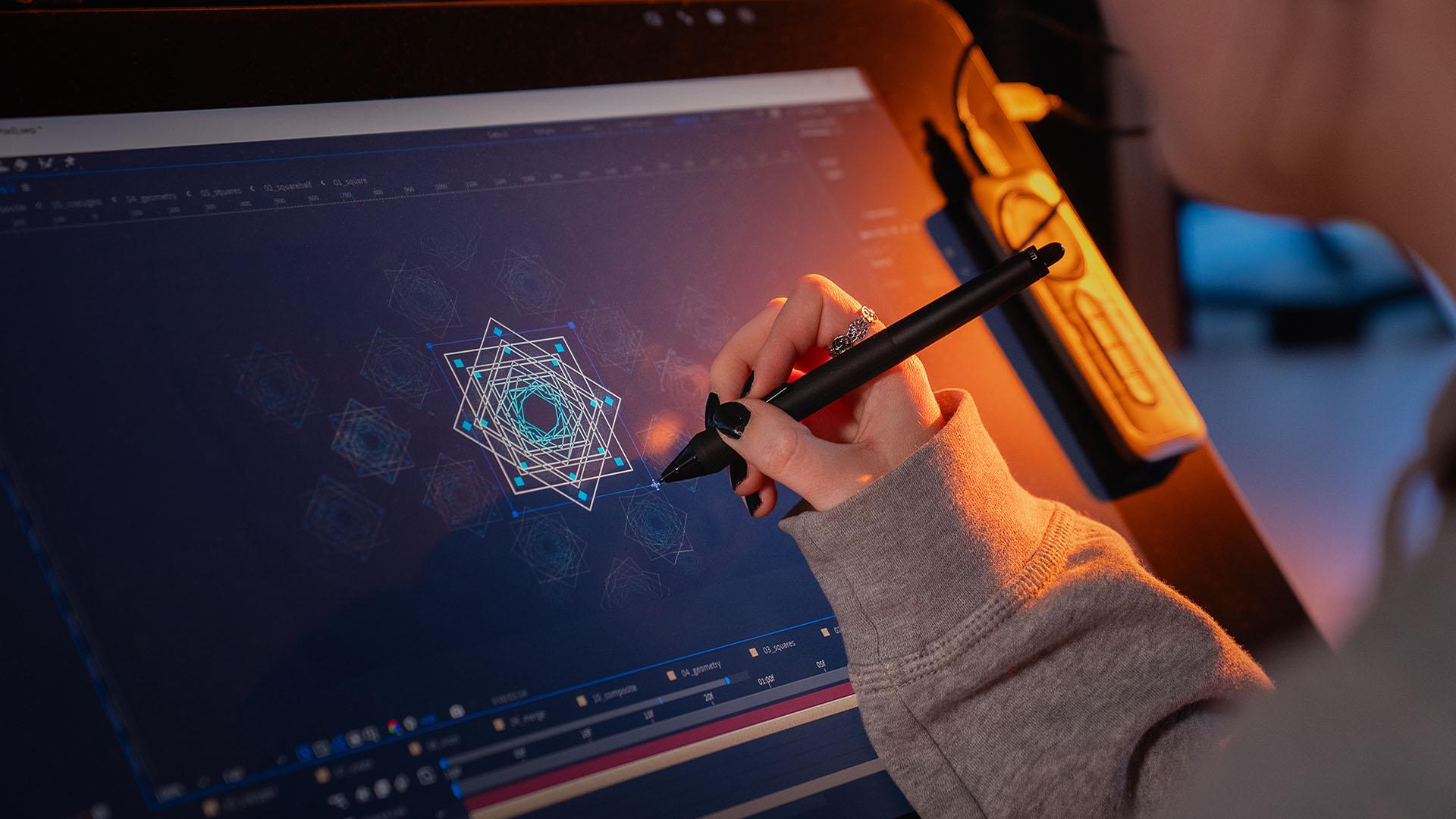
How a Motion Graphics Designer Elevates E-Learning: Skills, Roles, and Impact
are you passionate about enhancing digital education and looking for a rewarding role in education technology? Becoming a Motion graphics Designer at a school, college, or university could be your pathway to making learning more engaging, memorable, and accessible. This article explores the essential skills, dynamic roles, and transformative impact that motion graphics designers bring to E-learning in academic institutions, serving as both a complete guide and valuable resource for job seekers in the field.
Why motion Graphics Matter in E-Learning
In today’s technology-driven education landscape, motion graphics are revolutionizing how students interact with learning materials. Whether for online courses,classroom presentations,or campus-wide training modules,a motion graphics designer is key to transforming static content into engaging,interactive experiences. Here’s how motion graphics are making an impact:
- increased Engagement: visual storytelling captivates students and holds their attention longer than conventional formats.
- Improved Retention: Animated graphics help illustrate complex concepts and boost knowledge retention.
- Accessible Learning: Dynamic content can cater to diverse learning styles—visual, auditory, and kinesthetic.
- Brand Consistency: Motion graphics’ unique visual identity helps universities and schools establish and maintain their educational brand.
The Role of a Motion Graphics Designer in Education Technology
As a motion graphics designer for E-learning,you bridge the gap between academic content and student engagement. your responsibilities go far beyond creating animations. Let’s dive into the specific roles motion graphics designers play at universities, colleges, and schools:
1. Instructional Content Enhancement
- Develop animated explainer videos for complex subjects like science or mathematics.
- Transform lecture slides and static diagrams into interactive visual stories.
- Collaborate with educators to storyboard educational animations.
2. Designing Interactive Learning Modules
- Create gamified assessments and quizzes with visual feedback.
- Integrate motion graphics within Learning Management Systems (LMS) for a seamless learner experience.
- Utilize animation to simulate scientific experiments, ancient events, or real-world scenarios.
3. Supporting Campus-Wide Initiatives
- Design animated orientations and training modules for students and faculty.
- Develop public awareness videos for campus safety,sustainability,or policy updates.
- produce promotional graphics for university admissions or program launches.
Essential Skills for Motion Graphics designers in E-Learning
To succeed as a motion graphics designer in education technology, you need a blend of technical expertise, creative vision, and an understanding of pedagogy. Here are the key skill sets that employers at schools, colleges, and universities are seeking:
- Proficiency in Design Tools: Mastery of Adobe After Effects, Adobe Premiere Pro, Illustrator, Photoshop, and similar design software is essential.
- Animation and Visual Storytelling: Ability to craft compelling narratives and bring static visuals to life through animation techniques.
- UI/UX Principles: Knowledge of user experience design ensures learning modules are intuitive and accessible for all learners.
- Collaboration & Communication: Working closely with subject matter experts, educators, and IT teams is crucial for success.
- Understanding of E-Learning Standards: Familiarity with SCORM, xAPI, and other educational content standards aids smooth LMS integration.
- Attention to Accessibility: Designing graphics and animations that comply with accessibility guidelines ensures inclusivity.
- Problem-Solving: The ability to creatively address pedagogical challenges using motion design.
Benefits of Working as a Motion Graphics designer in Education
Choosing a career as a motion graphics designer in education technology offers remarkable advantages beyond the gratification of enhancing learning:
- Job Stability: Educational institutions increasingly rely on digital content; skilled motion designers are in high demand.
- Professional Growth: Opportunities to explore emerging tools like AR/VR, 3D animation, and interactive media.
- Creative Fulfillment: Your work directly shapes future generations’ learning experiences.
- Networking and Collaboration: Interact with academic leaders, curriculum developers, and tech innovators.
- Impactful Work: Make a tangible difference in educational accessibility,engagement,and quality.
Practical Tips for Aspiring Motion Graphics Designers in E-Learning
Ready to start your journey as a motion graphics designer in education? Here are some practical tips to build your skills, portfolio, and professional prospects:
-
Build a Diverse Portfolio:
- Create sample explainer videos, instructional animations, and interactive graphics that showcase your ability to communicate learning concepts visually.
-
Stay Updated:
- Follow trends in animation,E-learning standards,and educational technology to keep your skills relevant.
-
Learn About Pedagogy:
- Understanding how students learn enhances your ability to design effective educational media.
-
Master Software Tools:
- Dedicate time to practicing with After effects, Blender, or similar animation and compositing tools commonly used in academic settings.
-
Network Within Educational Communities:
- Engage with instructional designers,IT staff,and educators at local events or online forums focused on EdTech and E-learning.
-
Highlight Soft Skills:
- Demonstrate your communication, teamwork, and adaptability skills in your job applications and interviews.
-
Pursue Certifications:
- Consider earning certifications related to E-learning design, motion graphics software, or digital media production.
Impact of Motion graphics Designers on the E-Learning Ecosystem
The presence of a skilled motion graphics designer within an educational institution has a far-reaching impact:
- Student Outcomes: Interactive and visually stimulating content helps students understand arduous subject matter, leading to improved performance.
- Faculty Support: Motion designers enable instructors to deliver impactful lectures and materials without the steep learning curve of animation software.
- Institutional Innovation: cutting-edge visual content propels universities and schools to the forefront of digital education, enhancing their reputation and appeal to prospective students.
- Wider Reach: E-learning modules with motion graphics can be repurposed for public outreach, continuing education, and remote learning, extending the institution’s impact.
Conclusion
In a world where digital experiences define the educational journey, motion graphics designers are indispensable architects of interactive, inclusive, and impactful E-learning. By blending creativity with instructional strategy,they elevate academic content and unlock new avenues for learning at schools,colleges,and universities. If you’re seeking purposeful work in education technology, mastering motion graphics design offers a future-proof career filled with creative challenges, growth, and the possibility to shape how learning happens for years to come.