
How a Motion graphics Designer Transforms E-Learning: Skills, Roles, and impact
In the digital learning age, universities, colleges, and schools are leveraging new technologies to create engaging, immersive educational content. Among the pivotal roles shaping the future of education technology is the motion graphics designer. for job seekers passionate about design and education, understanding how a motion graphics designer transforms e-learning can open doors to rewarding careers at academic institutions. This comprehensive guide will shed light on the key skills, responsibilities, and profound impact that motion graphics professionals bring to e-learning environments, along with tips and benefits for aspiring candidates.
Understanding the Role of Motion Graphics Design in E-Learning
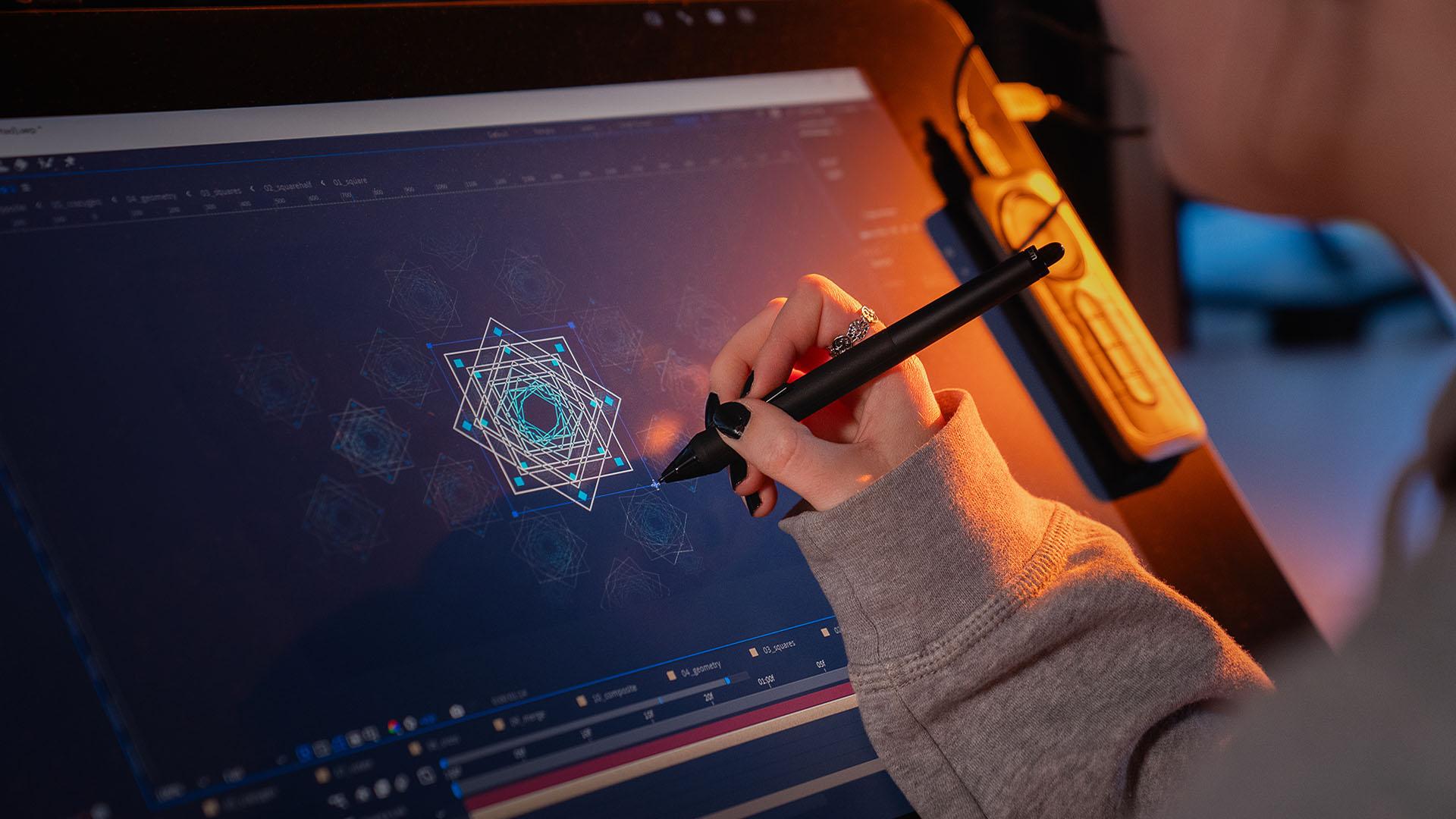
Motion graphics designers are creative professionals who combine visual artistry, animation, and digital technology to produce captivating educational content. In academic settings, their work enhances online courses, interactive lessons, explainer videos, and presentations by adding animated elements that clarify concepts and increase learner engagement.
- Definition: Motion graphics designers create visually-driven animated content for digital platforms, elevating the interaction of complex information.
- Context in Education: Within e-learning, their work ranges from designing subject-based animations to developing immersive infographics for faculty and students.
The Crucial Skills Every Motion Graphics Designer Needs in EdTech
To succeed in education technology, motion graphics designers must possess a unique set of technical and soft skills tailored to the learning environment.
Essential Technical Skills
- Proficiency in Animation Software: Mastery of tools like Adobe After Effects, Premiere Pro, and Blender is basic.
- Graphic Design: A strong understanding of visual hierarchy, color theory, typography, and branding ensures appealing, educationally-effective content.
- 2D/3D Animation: Ability to create both simple and advanced 2D/3D animations to illustrate concepts dynamically.
- Video Editing: Combining animated elements with live footage, audio, or educational voice-overs.
- Interactive Design: Skills in creating motion-based interactivity for e-learning modules or SCORM-compliant content.
Valuable Soft Skills
- Communication: Collaborating with educators, instructional designers, and IT teams to align visuals with learning goals.
- Adaptability: Navigating evolving digital platforms and instructional trends.
- Creativity and Storytelling: designing compelling visual narratives that improve learner outcomes.
- Attention to Detail: Ensuring accuracy in content that aligns with academic standards.
Key Roles and Responsibilities of a Motion Graphics Designer in E-Learning
In universities,colleges,and schools,motion graphics designers contribute to various stages of the instructional design process. Their primary responsibilities include:
- concept Progress: Working with educators to storyboard and conceptualize animations for learning modules.
- visual Asset Creation: Designing icons, diagrams, charts, and scenes tailored for educational topics.
- Animation production: Bringing static designs to life, illustrating processes, experiments, or timelines through motion graphics.
- Video Integration: Syncing animations with lecture recordings, voiceovers, or captions for accessibility.
- Quality Assurance: Reviewing and refining content to meet educational accessibility and quality standards.
- Collaboration: Engaging with curriculum developers,IT specialists,and faculty members on content revisions and updates.
The Transformative Impact of Motion Graphics in Education Technology
The inclusion of motion graphics in e-learning transforms the educational experience for both instructors and learners.Here’s how their impact is felt:
1. Enhanced Learner Engagement
- Animated content captures attention and sustains interest,leading to higher course completion rates.
- Visual storytelling makes abstract concepts accessible and memorable.
2. Improved Knowledge Retention
- Animations simplify complex ideas, enabling deeper understanding.
- Studies show performance boosts when learners engage with visual and motion-rich content.
3.Accessibility and Inclusivity
- Motion graphics designers create diverse content to cater to different learning styles and needs.
- Animations with closed captions and descriptive audio increase accessibility for learners with disabilities.
4.Scalability and Consistency
- Animated modules and explainer videos can be reused, ensuring consistent quality across cohorts.
- Easy updates allow institutions to rapidly adapt materials as curricula evolve.
Benefits of Pursuing a Career as a Motion Graphics designer in Education
For job seekers passionate about both design and education technology, here are compelling reasons to pursue this unique career path:
- Creative Fulfillment: Use your artistic skills to make a positive impact on student learning.
- Job security: The demand for educational content continues to grow with hybrid and online learning trends.
- Collaboration: Work alongside educators and technologists in a vibrant, innovative setting.
- Continuous Growth: regular exposure to new software, pedagogical strategies, and emerging tech like AR/VR.
- sociocultural Impact: help make quality education accessible to learners worldwide.
Practical Tips for Landing a Motion Graphics Designer Role in EdTech
If you’re eager to start or transition into education technology as a motion graphics designer at a university, college, or school, consider these strategic tips:
-
Build an Academic-Focused Portfolio:
- showcase projects tailored toward education—animated lesson snippets, explainer videos, or sample infographics for academic topics.
- Highlight contributions to e-learning platforms or collaborative projects with educators.
-
Understand Pedagogical Principles:
- Familiarize yourself with instructional design models and how animation supports different learning objectives.
- Consider obtaining certification in instructional design or e-learning development.
-
Stay Updated with Technology:
- Master popular animation and design tools used in educational content creation.
- Experiment with new trends, such as interactive video or augmented reality for education.
-
Network with Educational Technologists:
- Engage in professional groups, online forums, or attend EdTech conferences to build industry connections.
- Consider volunteering for academic projects to gain relevant experience.
-
Tailor Applications to the Education Sector:
- Highlight educational projects and your understanding of academic needs in your resume and cover letter.
- Emphasize your collaborative approach and adaptability in multicultural,educational environments.
Career Growth and Future Trends in EdTech Motion Graphics
The future for motion graphics designers in education technology is bright, with rapid advancements changing how content is created and delivered. Emerging trends include:
- Interactive Animation: Increasing demand for engaging, immersive learning through interactive motion-based simulations and games.
- Virtual and Augmented Reality: Integration of VR/AR with motion graphics for hands-on, experiential learning in digital classrooms.
- Microlearning and Adaptive Content: Focus on short, animated bursts of instruction tailored to learner progress and style.
- Greater Personalization: Motion graphics used in AI-driven platforms to create custom visual learning paths.
As education institutions adopt more sophisticated digital tools, motion graphics designers will continue to play a dynamic and essential role in enhancing learning outcomes.
Conclusion: Shaping the Future of E-learning with Motion Graphics
Motion graphics designers are at the heart of the e-learning revolution in universities, colleges, and schools. Their blend of artistic talent and technological expertise brings complex concepts to life, fosters engagement, and drives triumphant learning experiences in the digital age. For those seeking to make a difference in education technology,mastering the skills and embracing the evolving responsibilities of this role paves the way for a fulfilling and impactful career.
Whether you’re an experienced designer or an aspiring creative professional, tapping into the world of educational motion graphics offers endless opportunities to grow, innovate, and help shape the future of teaching and learning. As universities and academic institutions expand their digital offerings, the importance of motion graphics designers in e-learning will only continue to rise.