
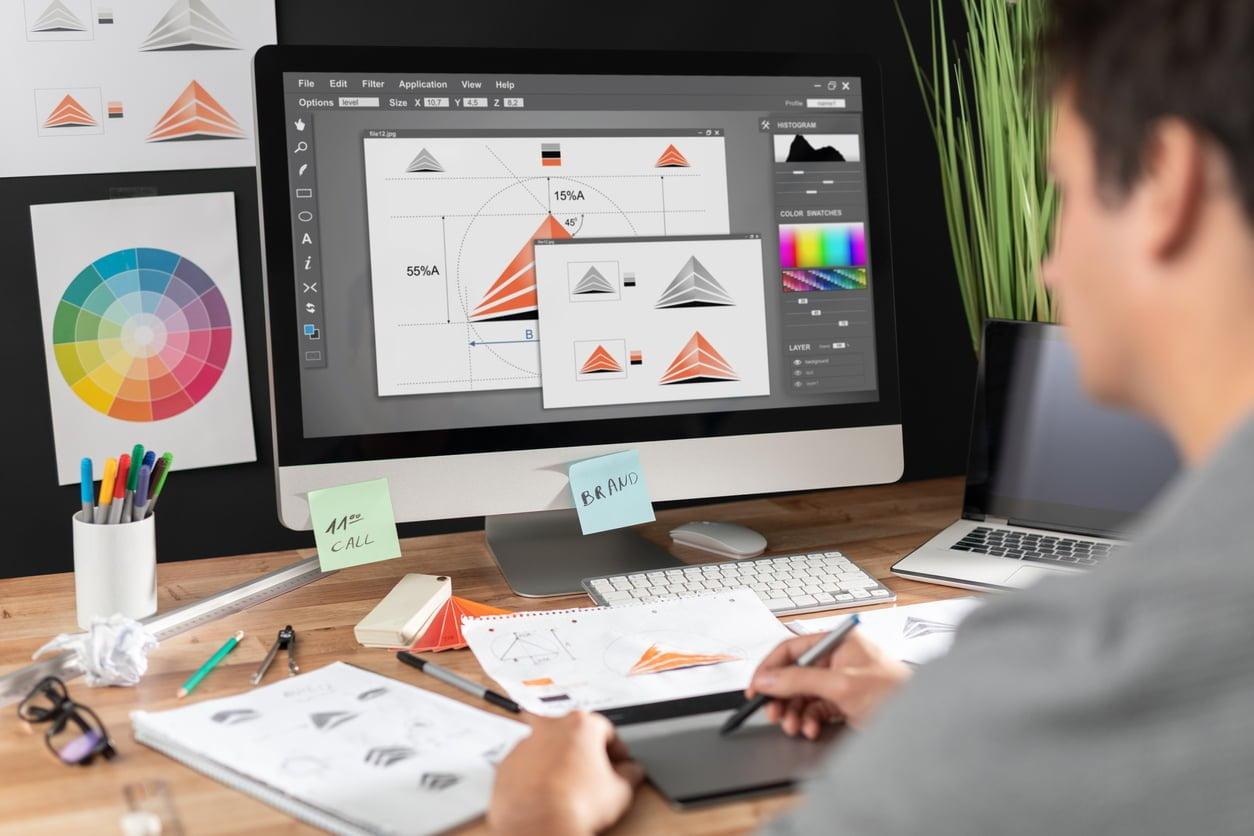
How a Visual Designer Transforms E-Learning: Key Skills & Best Practices
Are you passionate about design and education technology? If you’re searching for a rewarding career in universities, colleges, or schools, stepping into the role of a Visual Designer in EdTech could be your ideal path. Visual designers are at the heart of digital learning experiences, merging creativity with technology too make educational content both effective and engaging. In this article, we’ll explore how visual designers transform e-learning, outline essential skills, discuss benefits, and share best practices and tips for job seekers eager to make a difference in the education sector.
Understanding the Role of a Visual Designer in education Technology
Visual Designers in education technology are responsible for crafting the digital look and feel of e-learning materials. Their work supports teachers, instructional designers, and students by making complex topics accessible and visually compelling. Their designs appear in online courses, educational platforms, mobile apps, and multimedia presentations used across universities, schools, and colleges.
- User Interface Design: Developing intuitive layouts for course platforms and apps.
- Learning Asset Creation: Designing infographics, icons, animations, and interactive visuals.
- brand Identity: Ensuring consistency in school or university branding across digital resources.
- Accessibility: Making learning content inclusive for all learners,including those with disabilities.
Ultimately, visual designers bridge the gap between instructional content and user engagement in EdTech environments.Their skills help to transform static text into vibrant experiences that promote deeper learning.
Key Skills Required for Visual Designers in E-Learning
If you’re seeking a visual design job in education technology, here are the core competencies universities, colleges, and schools look for:
1. Proficiency in Design Tools
- Adobe Creative Suite (Photoshop, Illustrator, InDesign)
- Figma, Sketch, Adobe XD for interface design
- motion graphics tools like After Effects or Animate
2. Understanding of E-Learning Principles
- Familiarity with Learning Management Systems (Moodle, Canvas, Blackboard)
- knowledge of SCORM, xAPI, or HTML5 standards for educational content
- Ability to design for asynchronous and synchronous learning formats
3.UX and UI Design Skills
- Creating intuitive navigation and layouts for diverse learners
- Conducting usability testing and incorporating feedback
- Optimizing visuals for mobile, tablet, and desktop devices
4. Accessibility and Inclusive Design
- designing for visual and cognitive impairments (e.g., color contrast, readable fonts)
- Applying universal design principles to increase access
- Ensuring compatibility with screen readers and assistive technologies
5. Communication and Collaboration
- Working closely with curriculum developers, educators, IT teams, and stakeholders
- Translating instructional goals into visual strategies
- Presenting design concepts and explaining decisions to non-designers
Having a strong portfolio showcasing your ability to create engaging educational content is vital.
How Visual Designers Impact E-Learning in Universities,Colleges,and Schools
Visual designers drive meaningful change in academic environments by:
- Enhancing Engagement: Interactive graphics and appealing layouts increase student participation and motivation.
- Simplifying Complex Concepts: Infographics and visual narratives help break down difficult subjects.
- Improving Retention: Learners remember information better when it’s visually presented.
- Fostering Inclusivity: Accessible design ensures that everyone can benefit from digital education.
- Supporting Educators: Teachers and professors rely on high-quality graphics to supplement lectures and assignments.
In the competitive EdTech industry, universities and schools increasingly prioritize visual design expertise to differentiate their online courses and educational platforms.
The Benefits of Having Skilled Visual Designers in EdTech
Hiring a talented visual designer offers several strategic advantages to universities, colleges, and schools:
- Higher Course Completion Rates: Students are more likely to stay engaged and finish visually rich e-learning modules.
- Consistent Quality: Professional design ensures a unified brand and learning experience across courses and departments.
- Positive Reputation: Institutions with appealing digital resources attract more students and faculty.
- scalable Solutions: Design assets can be reused and adapted, saving time and resources.
- Compliance with Accessibility Laws: Inclusive design helps schools meet legal and ethical standards.
Ultimately, visual designers help educational institutions maximize the value of their digital offerings.
Best Practices for Visual Designers in Education Technology
Whether you’re starting your career or aiming to advance in EdTech, following these best practices will set you apart:
1. Collaborate Early and Often
- Involve teachers, instructional designers, and students in the design process.
- Gather feedback to ensure visuals meet curriculum goals.
2. Prioritize Accessibility
- Use high-contrast colors and legible typography.
- Add alt text and descriptive captions to images and diagrams.
3. Focus on Simplicity and Clarity
- Eliminate unnecessary clutter; each design element should serve a purpose.
- Organize content with clear navigation and visual hierarchy.
4. Design for Multiple Devices
- Ensure that visuals look great on smartphones,tablets,and computers.
- Test design elements for responsiveness and ease of use.
5. Keep Learning and Adapting
- Stay up-to-date with educational technology trends and new software tools.
- Attend webinars, workshops, and training sessions focused on EdTech design.
Adhering to these practices will make your designs more impactful and allow you to contribute effectively to education technology teams.
Practical Tips for Aspiring EdTech Visual Designers
Position yourself for success in the job market by taking the following steps:
- Build a Specialized Portfolio: Highlight projects that showcase e-learning designs, interactive educational content, and accessibility solutions.
- Learn About Learning Theories: Familiarize yourself with cognitive psychology and instructional design principles to create visuals that truly support learning.
- Network in the Education Sector: Connect with educators,EdTech professionals,and attend academic conferences to stay informed about trends and opportunities.
- obtain Certifications: Pursue certificates in instructional design, UX/UI, accessibility, or specific EdTech tools to improve your credentials.
- Apply for Internships or Freelance Gigs: Gain practical experience designing for educational clients to build your resume.
Landing a Visual Design Job in Education Technology
When applying for EdTech visual designer roles at universities, colleges, and schools, consider these tips:
- Tailor Your Resume: Emphasize relevant experience in e-learning, educational platforms, and accessibility design.
- Showcase Problem-Solving skills: Include case studies or project summaries that demonstrate how your designs improved learning outcomes.
- Highlight Communication Abilities: Mention your experience collaborating with educators and multidisciplinary teams.
- Prepare for Portfolio Reviews: Be ready to discuss your design process and reasoning behind key decisions.
- Research Each Institution: Understand their learning platforms and student demographics to suggest tailored solutions during interviews.
Employers increasingly seek visual designers who are adaptable, knowledgeable about online pedagogy, and dedicated to continuous enhancement.
Conclusion: Shaping the Future of Education Through Design
A career as a Visual Designer in education technology offers a unique possibility to shape the future of learning in universities, colleges, and schools. By mastering key skills, staying current with best practices, and actively collaborating across departments, you can create transformative digital experiences that engage students and empower educators. As the demand for skilled designers in EdTech continues to grow, now is the perfect time to advance your career and make a lasting impact in the world of digital education.
If you’re ready to join this innovative field,focus on building a strong portfolio,expanding your expertise,and networking with education technology professionals.Your creative talent,combined with technical know-how,can make all the difference in delivering high-quality e-learning experiences for diverse learners.