
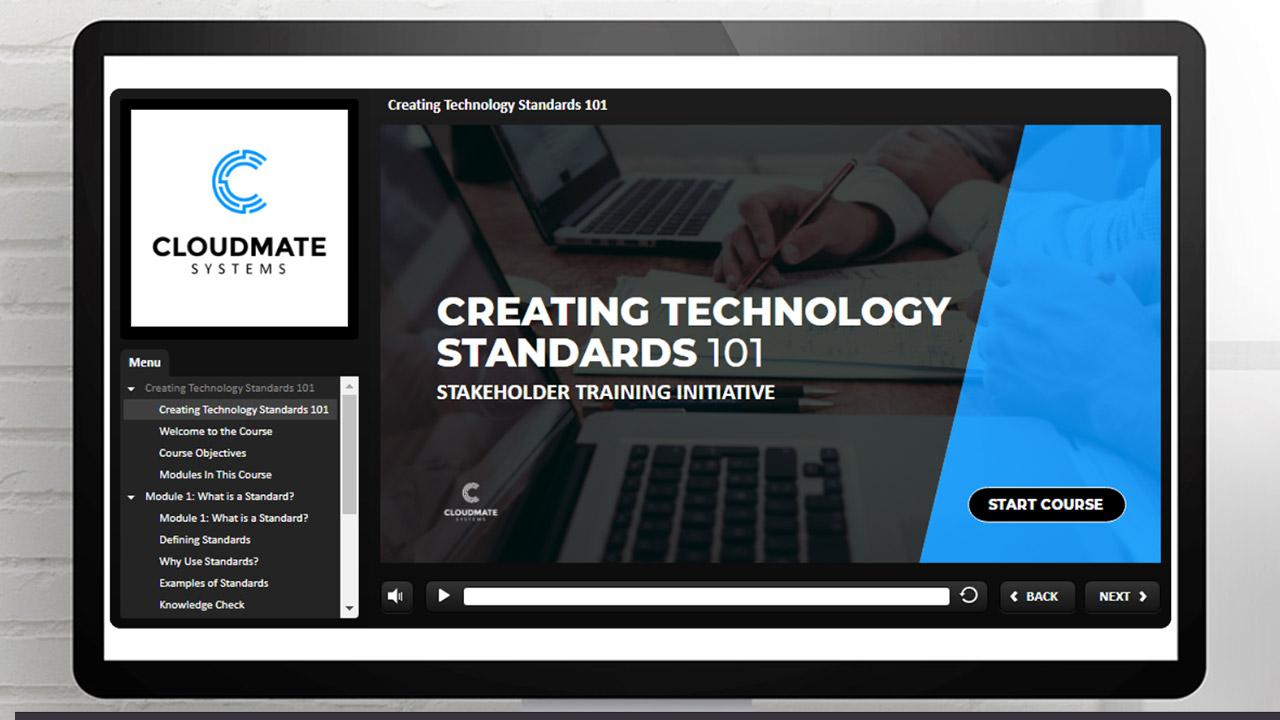
How a Visual Designer Transforms E-Learning: Key Skills & Strategies for Engaging Online Courses
Are you considering a career in education technology as a visual designer? In the fast-growing realm of e-learning, universities, colleges, and schools are constantly searching for talented individuals who can turn online courses into visually compelling and interactive experiences. If you’re passionate about creative design and want to make a real impact on digital education, understanding the role, skills, and strategies of a visual designer in e-learning is essential. This comprehensive guide will walk you through everything you need to succeed—from what hiring managers are looking for, to the transformative impact you can have on online learning environments.
What Does a Visual Designer Do in E-Learning?
A visual designer in education technology plays a crucial role in shaping the appearance and functionality of e-learning platforms. Unlike customary graphic designers, visual designers in e-learning collaborate closely with instructional designers, subject matter experts, and developers to create educational content that is not just aesthetically pleasing, but also user-kind and pedagogically effective.
- Designing course interfaces, modules, and learning paths
- Creating infographics, interactive resources, and video assets
- Establishing a consistent visual identity for online programs
- Improving accessibility and usability across various devices
- Ensuring visual coherence while adhering to educational goals
Why Visual Design Matters in Online Education
The impact of visual design on e-learning cannot be overstated. With students accessing content through diverse digital platforms,high-quality visual design:
- Enhances comprehension and retention of facts
- Increases student engagement and reduces dropout rates
- Makes complex topics more approachable via visual aids
- Supports different learning styles (visual,kinesthetic,etc.)
- Boosts institutional brand reputation and learner satisfaction
Case in Point:
Universities and schools with well-designed online courses consistently report higher learner satisfaction scores and better assessment outcomes.This is because thoughtful visuals guide the learner’s attention, illustrate core concepts, and provide a sense of progression throughout the course.
Key Skills every E-Learning visual designer Needs
To stand out as a top candidate for a visual designer job in education technology, you’ll need a diverse set of skills that bridge both design and pedagogical best practices. Here are the most sought-after visual designer skills in e-learning:
1. Proficiency in modern Design Tools
- Adobe Creative Suite (photoshop, Illustrator, InDesign, XD)
- Sketch, Figma, Canva, and similar cloud-based platforms
- Animation software (After Effects, Animate)
2. Understanding of UI/UX Principles
- Knowledge of user-centered design for optimal navigation
- Creating wireframes and prototypes for course layouts
- Adapting designs for mobile and responsive e-learning
3. Basic Web Technologies
- Familiarity with HTML, CSS, and learning management systems (LMS)
- Implementing accessible design practices (WCAG, ADA compliance)
4.Visual Storytelling and Information Design
- Simplifying complex data into digestible visual formats
- Developing learning journeys and storyboards alongside educators
5. Collaboration & Communication
- participating in interdisciplinary teams (educators, developers)
- Presenting creative concepts to non-design stakeholders
- Accepting feedback and adapting visual content accordingly
How Visual Designers Transform the E-Learning Experience
Working in education technology, a visual designer’s influence can fundamentally shape the quality and accessibility of online courses. Here are key ways visual designers elevate e-learning:
Transforming Static Content into Interactive Experiences
- Turning dense lectures into interactive storytelling modules
- Embedding clickable graphics, quizzes, and multimedia for active learning
Enhancing Brand Identity
- Establishing a consistent visual language for courses and platforms
- Aligning designs with institutional branding and accessibility standards
Supporting Scalability and Consistency
- Building design systems and style guides for faculty use
- Ensuring consistency across multiple programs and devices
The Benefits of a Visual Designer in Education Technology
Hiring a skilled visual designer brings tangible benefits to universities, colleges, and K-12 schools offering online courses:
- Increased Course Completion Rates: Engaging visuals can keep students motivated and reduce dropout rates.
- Improved Learning Outcomes: Visual aids help learners grasp and retain new information more effectively.
- Broader Accessibility: Accessible designs ensure that learning platforms serve all students, including those with disabilities.
- Efficiency for Educators: Ready-to-use templates and resources free up instructor time and streamline course creation.
- Enhanced Institutional Reputation: A polished and modern e-learning experience can differentiate an institution in a competitive education market.
Essential Strategies for Effective Visual Design in E-Learning
If you’re applying for a visual designer position in education technology, demonstrating a strategic approach to e-learning design will give you a valuable edge:
1. Prioritize Clarity and Simplicity
- Use clean layouts that minimize cognitive overload
- Leverage whitespace and hierarchy for easy navigation
2. Make Accessibility a Cornerstone
- Ensure color contrast and legible font choices
- Add alt text and transcripts for images and multimedia
3. Design for Engagement and Motivation
- Utilize gamification elements creatively (badges, progress bars)
- Incorporate interactive graphics to encourage participation
4. Collaborate Across Departments
- Work closely with instructional designers and tech staff for seamless integration
- Iterate based on user (student and instructor) feedback
Practical Tips: Landing a Visual Designer Role in EdTech
Breaking into the education technology sector as a visual designer can be competitive. Here are actionable steps to boost your employability:
Build a Diverse Portfolio
- Showcase e-learning projects, interactive modules, and UI/UX samples
- Include before-and-after case studies to demonstrate your impact
Stay Up to Date with EdTech Trends
- Follow developments in learning technologies and digital accessibility
- Familiarize yourself with popular LMS platforms (Moodle, Canvas, Blackboard)
Highlight Soft Skills
- Demonstrate adaptability, problem-solving, and effective communication
- Share examples of team projects and user-centered design successes
Focus on Lifelong Learning
- Take part in workshops and certifications relevant to design and education technology
- Be open to learning new tools and methodologies as digital education evolves
conclusion: The Future of Visual Designers in E-Learning
As universities, colleges, and schools continue to expand their online course offerings, the demand for skilled visual designers in education technology is only set to grow.If you’re aiming to make a meaningful difference as a visual designer in e-learning, mastering both technical and strategic skills is key. By adopting best practices in accessibility, engagement, and collaboration, you’ll not only enrich the learning experiences of students worldwide but also establish yourself as a valuable asset in a dynamic and rewarding industry.
Start building your portfolio, stay curious, and be ready to transform the face of digital education—one engaging course at a time.