
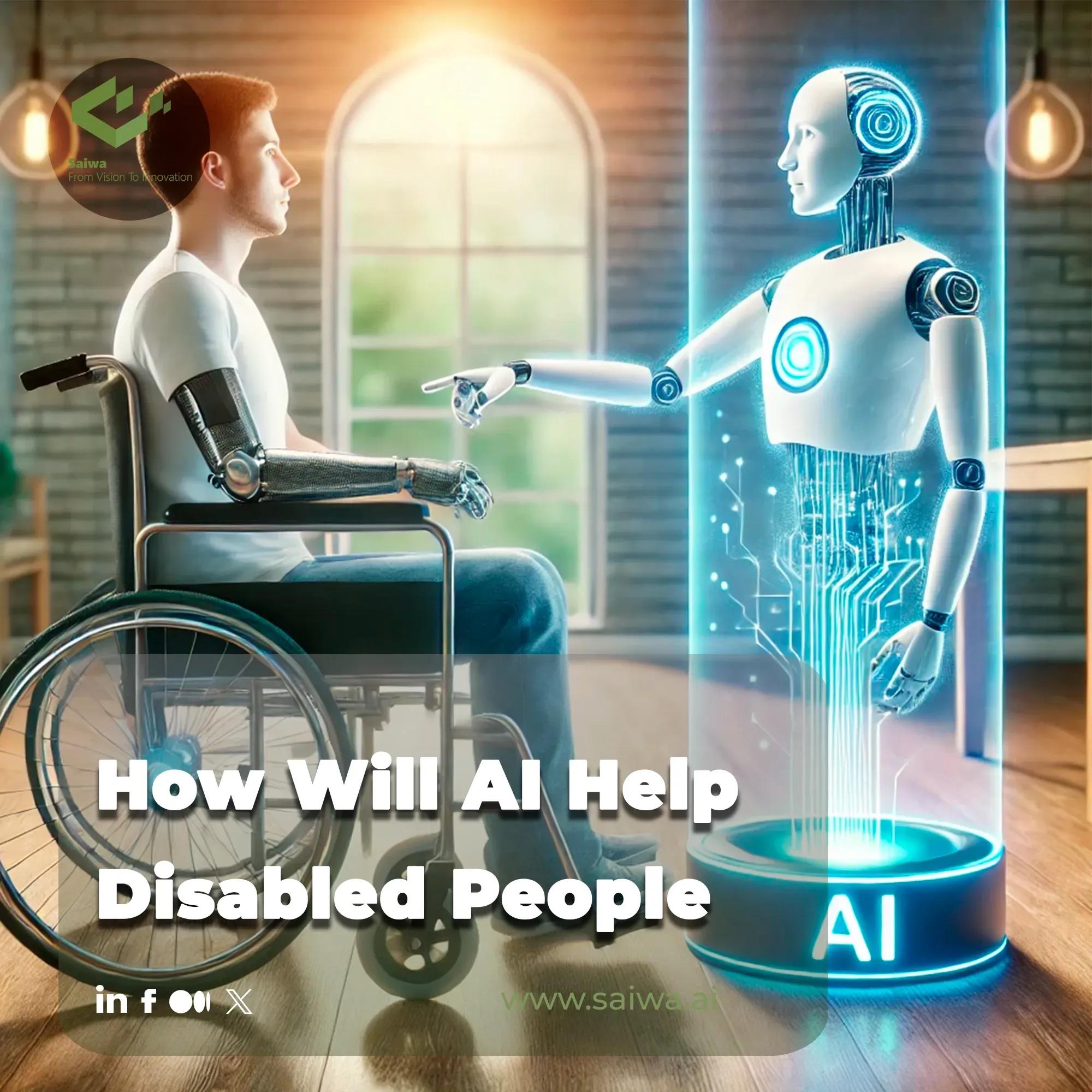
How AI Empowers and Supports Students with Disabilities: Key Benefits and Innovations
In recent years, Artificial Intelligence (AI) has reshaped many aspects of our lives, and education is no exception. For students with disabilities, AI is proving to be a revolutionary tool that breaks down barriers and opens up new avenues for learning, growth, and independence. In this article,we’ll explore how AI empowers and supports students with disabilities,highlighting key benefits,innovative solutions,practical tips,and real-world success stories.
Understanding the Role of AI in Disability Support
AI technologies leverage machine learning, natural language processing, and computer vision to solve complex challenges in education. For students with disabilities, these advanced tools are essential for creating personalized learning experiences, fostering inclusion, and improving accessibility. From AI-powered text-to-speech applications to clever tutoring systems and accessible content generators, the impact is both profound and wide-reaching.
Key Benefits of AI for Students with Disabilities
- Increased Accessibility: AI transforms digital content into accessible formats, making materials available to learners regardless of their physical or cognitive abilities.
- Personalized Support: Adaptive AI-based learning platforms adjust content delivery, pacing, and teaching strategies to address individual needs.
- Enhanced Interaction: Speech recognition and language translation tools help students with speech or language impairments communicate more easily.
- Promoting Independence: Smart assistants and apps enable students to perform tasks independently, boosting confidence and self-reliance.
- Data-Driven Insights: AI analyzes student performance and engagement,allowing educators to deliver tailored interventions.
- Inclusive Classrooms: By removing barriers, AI fosters inclusive learning environments where every student can thrive.
Innovative AI Technologies Supporting Students with Disabilities
AI-driven assistive technologies are at the forefront of inclusive education. Here are some of the most impactful tools and platforms.
1. Speech-to-text and Text-to-Speech Solutions
- Text-to-Speech (TTS): Converts written content into natural-sounding audio, assisting students with visual impairments or reading difficulties. Popular options: ReadSpeaker, NaturalReader.
- Speech-to-Text (STT): Allows students with mobility or dexterity challenges to convert spoken words into text, aiding in note-taking and writing assignments. Leading solutions: Otter.ai, Dragon NaturallySpeaking.
2. AI-Powered Screen Readers and Visual Aids
- Screen Readers: Tools like JAWS and NVDA interpret and vocalize on-screen text, enabling visually impaired students to navigate websites and documents.
- Image Recognition: AI apps such as Seeing AI describe surroundings, read documents, and identify objects, enhancing independence for users with low vision.
3.Real-Time Translation and Communication Apps
- Live Captioning: AI automatically generates captions for audio and video content, supporting students who are deaf or hard of hearing. Featured tools: Google Live Transcribe, CapTel.
- Augmentative and Alternative Communication (AAC): AI-enabled communication boards and apps help nonverbal students express themselves using symbols, images, or text. Example: Proloquo2Go.
4. personalized Learning Platforms
- Adaptive Learning: Platforms like Khan Academy and DreamBox use AI to analyze performance and adapt exercises,supporting students with learning disabilities such as dyslexia,ADHD,or autism.
- Intelligent Tutoring: AI tutors evaluate strengths and weaknesses, provide hints, and scaffold arduous tasks at just the right level of challenge.
Practical tips for Implementing AI in Inclusive Education
To maximize the benefits of AI for students with disabilities, educators, parents, and schools can follow these practical steps:
- Identify Individual Needs: Collaborate with students, families, and specialists to determine the most suitable AI tools.
- Pilot and Evaluate: Start with small-scale implementation, gather feedback, and refine usage to ensure accessibility and effectiveness.
- Training and Support: Offer hands-on training for both students and teachers to build confidence in using new technologies.
- Privacy and Security: Choose platforms that comply with data protection regulations and prioritize student privacy.
- Foster a Culture of Inclusion: Promote awareness, empathy, and acceptance to make every classroom welcoming for all learners.
Case Studies: Real-World Impact of AI on Students with Disabilities
Case Study 1: Empowering Students with Dyslexia
In a public school district in California, educators introduced an AI-driven reading app for students with dyslexia. The app, equipped with customizable fonts, audio support, and real-time feedback, helped students improve both reading fluency and comprehension. Teachers noted increased classroom participation, higher self-esteem, and measurable academic gains.
Case Study 2: Breaking Barriers for Visually Impaired Learners
At a university in the UK, AI-powered image recognition and screen readers enabled blind and low-vision students to access course materials in real-time. These tools transformed diagrams, charts, and text into audio descriptions, ensuring equal access to complex STEM subjects.
Firsthand Experience: A Student’s Viewpoint
Emily, a high school student with cerebral palsy, uses AI-based speech recognition software to write essays and participate in group discussions. She shares: “AI has given me a new voice in the classroom. I can contribute my thoughts without worrying about handwriting or typing speed.”
Future Trends: The Evolving Landscape of AI and Accessibility
As AI continues to advance, the future looks increasingly radiant for students with disabilities. Here’s what to look forward to:
- Emotion-Sensing Technology: AI that recognizes student emotions and adjusts responses to provide appropriate encouragement and support.
- Real-world Navigation: Wearables and navigation apps for students with mobility or visual impairments, helping them navigate campuses and public spaces more safely.
- Inclusive Content Creation: Automated systems that design lesson plans and digital materials in accessible formats from the start.
- Global Reach: AI-powered translation and localization expand access to educational resources for students in diverse linguistic and cultural backgrounds.
Conclusion: AI as a Catalyst for Inclusive Education
The rise of artificial intelligence in education is a game-changer for students with disabilities. By breaking down traditional barriers, AI technologies empower learners to reach their full potential, participate fully in society, and enjoy greater independence. As innovators, educators, and policymakers, it’s our shared duty to harness AI’s power, ensuring that every student—regardless of ability—can benefit from the promise of accessible, inclusive, and equitable education.
The journey is just beginning, and the possibilities are limitless. With AI as a partner, a brighter and more inclusive future for all learners awaits.