
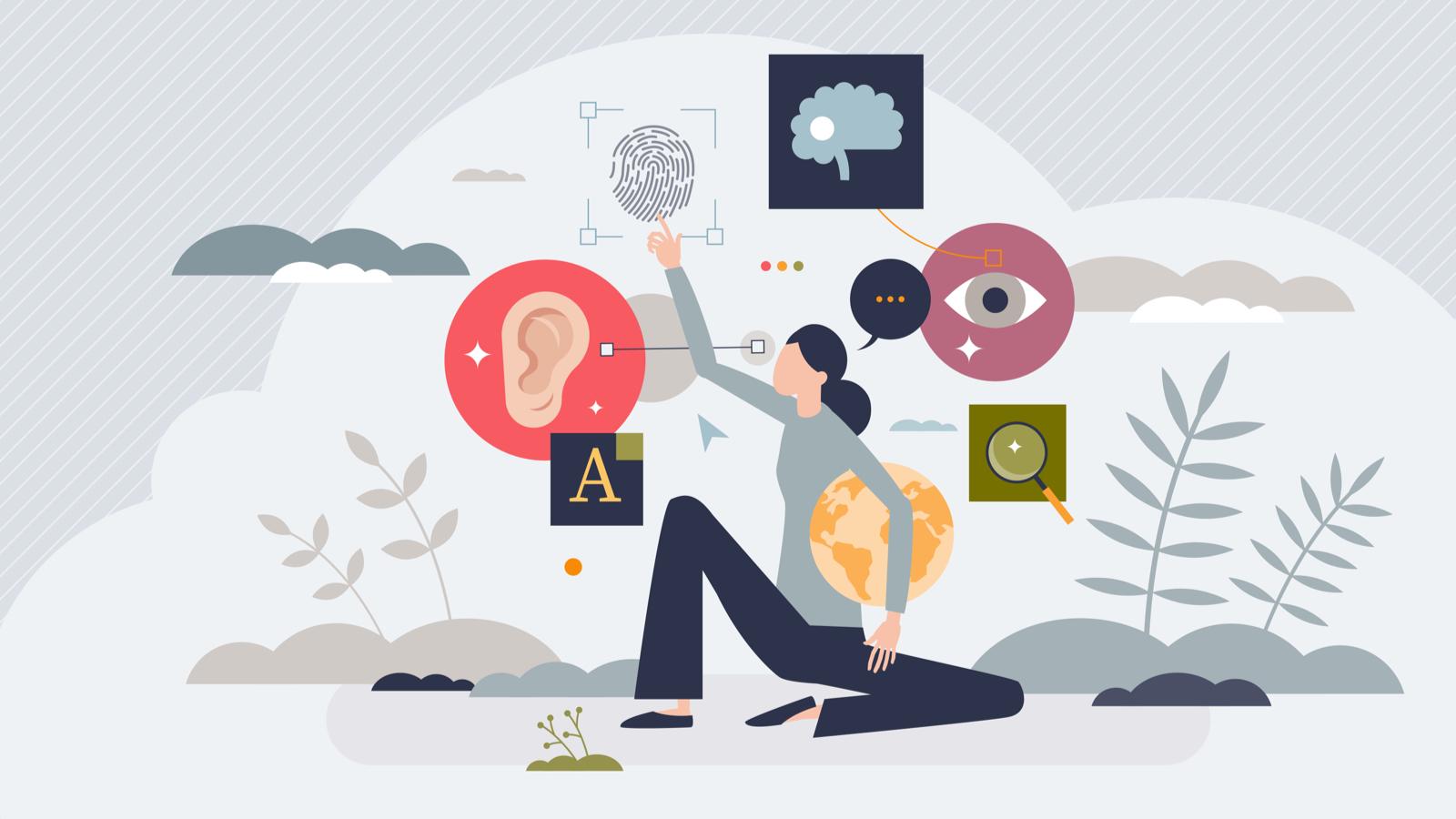
How AI Empowers Students with Disabilities: Enhancing Accessibility and Learning Support
Artificial Intelligence (AI) is rapidly transforming the educational landscape, especially for students with disabilities. by breaking down barriers and providing tailored support, AI-driven tools are making learning more inclusive and accessible than ever before. In this article, we’ll explore how AI empowers students with disabilities, the major benefits it brings, real-life case studies, and actionable tips for educators and parents.
Understanding the Challenges: Learning Barriers Faced by Students with Disabilities
Millions of students worldwide face educational challenges due to disabilities such as visual impairments, hearing loss, dyslexia, autism spectrum disorder, and other learning differences. Traditional education methods often fall short in meeting diverse needs, resulting in:
- Lack of accessible materials (e.g., digital textbooks for the visually impaired)
- Insufficient personalized learning support
- Limited communication channels for non-verbal students
- Inaccessible testing environments
This is where AI in education steps up, providing innovative solutions for students with disabilities and creating equal opportunities for all.
The Power of AI: Enhancing Accessibility for Disabled Students
artificial intelligence leverages data-driven insights and smart algorithms to revolutionize support for students with disabilities. Here’s how AI improves accessibility and learning support:
1. Real-Time Speech Recognition & Captioning
- Automatic speech recognition (ASR): Transcribes spoken language into text in real time, helping students with hearing impairments follow lectures and classroom discussions.
- Live captioning: Tools like Google Meet captions and Microsoft Teams subtitles enable immediate comprehension and participation.
2. Text-to-Speech and Speech-to-Text Solutions
- Text-to-speech (TTS): Converts digital or printed text into spoken language, aiding students with visual impairments or dyslexia in accessing reading materials.
- Speech-to-text: Allows students with physical or motor disabilities to dictate assignments and notes, promoting independence and improved communication.
3. Image Recognition and Object Detection
- AI-powered screen readers (like Microsoft Seeing AI) describe visual content, images, graphs, and diagrams, making digital content more accessible for blind students.
- Object recognition apps assist students with visual impairments in identifying everyday objects in real-time.
4. Adaptive Learning Platforms
- Personalized learning pathways: AI assesses each student’s strengths and challenges, adapting content and pacing to match individual needs.
- Targeted support: Intelligent tutoring systems provide step-by-step guidance, influencing positive learning outcomes for students with learning disabilities.
5. communication Aids for Non-Verbal Students
- Augmentative and option communication (AAC) devices powered by AI enable students who are non-verbal (such as those with cerebral palsy or autism) to express themselves using predictive text and contextually relevant suggestions.
Benefits of AI for Students with disabilities
AI-powered solutions bring a multitude of advantages for students, educators, and parents aiming for inclusive education. These benefits include:
- Increased independence: Students can access resources and complete assignments independently, boosting confidence and motivation.
- enhanced engagement: Adapted materials and multimedia content keep learners interested and reduce frustration.
- Personalized learning: AI tailors instruction to match each student’s unique learning style and pace.
- Faster intervention: Early identification of challenges helps educators provide timely support and accommodations.
- Scalable solutions: AI tools can cater to diverse classrooms, helping more students without overwhelming teachers.
Real-Life Case Studies: AI in Action for Inclusive Education
Case Study 1: Voiceitt — Empowering Speech-Impaired Students
Voiceitt is an AI-powered speech recognition application designed for individuals with speech impairments. It learns unique speech patterns and translates non-standard speech into clear, synthesized words. In pilot programs across schools, students with cerebral palsy or Down syndrome have used Voiceitt to participate in classroom discussions, answer questions, and communicate effectively with peers.
Case Study 2: Microsoft Seeing AI — Visual Assistance
Blind and visually impaired students at several schools have adopted Microsoft Seeing AI, a free app that harnesses computer vision and AI to describe people, objects, and text.By narrating the world around the user, it helps students read printed handouts, recognize classmates, and navigate campus, fostering greater independence.
Case Study 3: AI-Powered Reading Tools
Tools like Bookshare Reader and Kurzweil 3000 utilize AI for scanning textbooks, converting them into audio, and adjusting reading levels to match student needs. These applications are widely used by students with dyslexia, making classroom materials digestible and less intimidating.
“AI was a game-changer for my daughter with dyslexia. she now reads her assignments with Bookshare’s TTS, participates more confidently, and her grades have soared.”
– Parent testimony, USA
First-Hand Experiences: Empowering Stories from the Classroom
-
Maria, a student with hearing loss:
“Real-time captions during lessons mean I never miss key data.I finally feel included in group discussions!”
-
Ajay,a teacher in a resource room:
“AI-based adaptive quizzing highlights each student’s weak points instantly,so I can focus my support where it’s needed most.”
Practical Tips: Leveraging AI Tools for accessibility in Education
Ready to integrate AI-powered accessibility solutions in your classroom or at home? Here are some practical tips:
- Start with needs assessment: Identify your student’s specific challenges — whether it’s reading,writing,hearing,or mobility.
- Choose the right AI tool: Research platforms tailored for your disability (e.g., speech recognition for aphasia, screen readers for visual impairments).
- Pilot and personalize: Test different settings and features within the tool. Most AI platforms allow personalization to maximize effectiveness.
- Provide training and support: Teachers, parents, and students may need an initial learning curve. Utilize online tutorials, help centers, and peer groups.
- Combine with Universal Design for Learning (UDL): Use AI in tandem with inclusive teaching frameworks to create multimodal,flexible learning pathways.
- Stay updated: AI in accessibility is evolving rapidly. Subscribe to newsletters and follow EdTech organizations for the latest tools and practices.
Addressing Concerns: Privacy, Ethics, and Digital Divide
While AI offers remarkable benefits, there are valid concerns to acknowledge:
- Data privacy: Ensure that AI tools comply with student data protection laws (like FERPA, GDPR). Review privacy policies and parent consent requirements.
- Algorithmic bias and fairness: Developers must be vigilant that AI models do not perpetuate existing biases, especially when assisting marginalized groups.
- Digital divide: Not all students have access to digital devices or reliable internet. Policymakers and schools should prioritize equity in technology distribution.
The Future of AI in Inclusive Education
As AI technology continues to advance, the horizon for accessible learning looks promising:
- Multilingual and cross-cultural support: AI is lowering language barriers for students from diverse backgrounds.
- More intuitive interfaces: Gesture,gaze,and brain-computer interfaces are in development,especially for students with severe motor impairments.
- Deeper personalization: Soon,AI will offer even more customized content,engagement strategies,and early warning systems for educators.
By fostering innovative partnerships between technologists, educators, and disability advocates, the future promises a truly inclusive learning experience for all.
Conclusion: Unlocking Every Student’s Potential with AI
AI is no longer a futuristic concept — it’s an essential ally in empowering students with disabilities. From adaptive learning platforms to voice-recognition tools and image descriptions, AI is dramatically enhancing accessibility and learning support. By embracing these intelligent systems, educators and parents can break down barriers, inspire confidence, and provide every learner the possibility to thrive.
As you explore the diverse world of AI for students with disabilities, remember that the ultimate goal is inclusion and empowerment. Stay informed, experiment with new technologies, and always put the unique needs of each student at the center of every educational journey.