
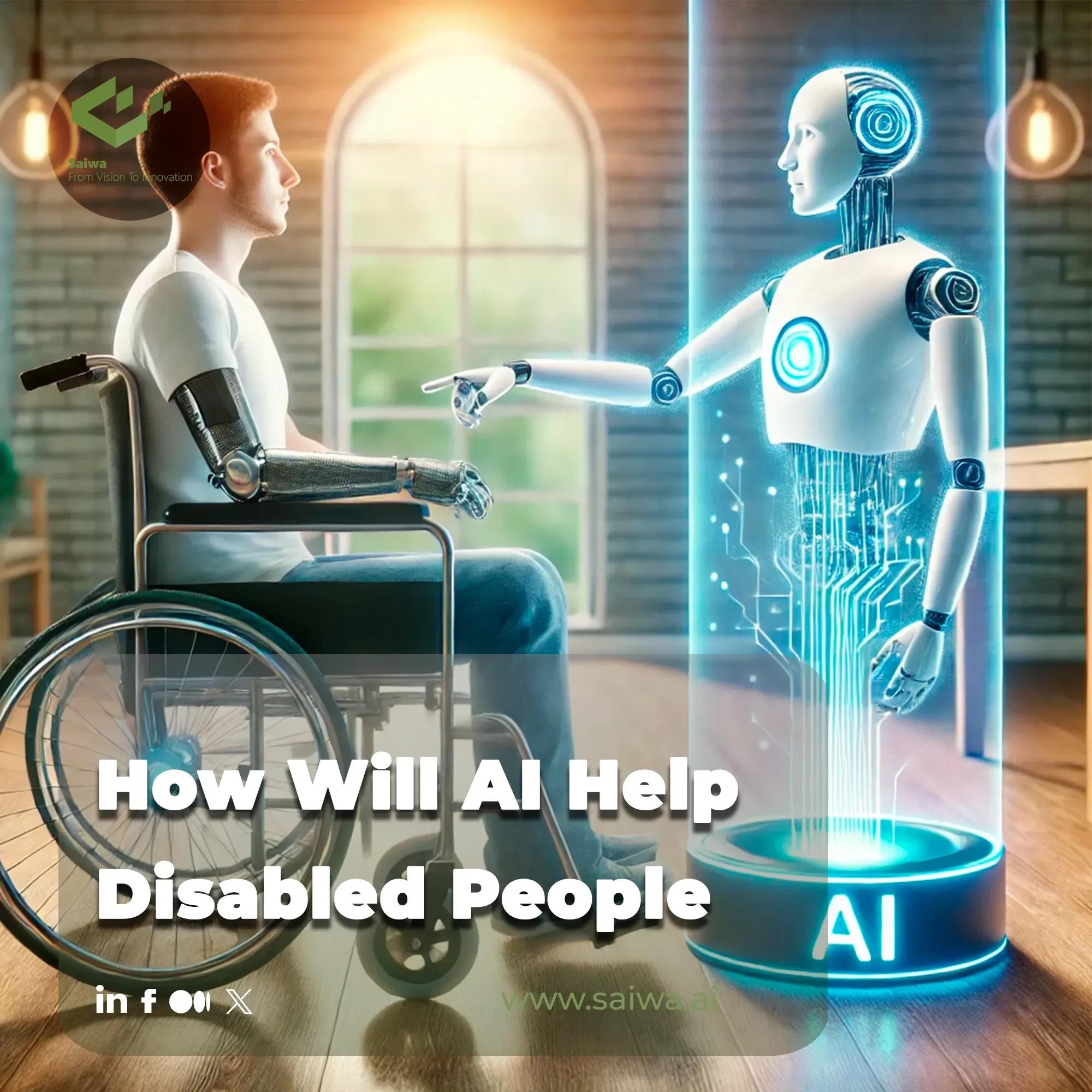
How AI Empowers Students with Disabilities: Enhancing Accessibility and Learning
Artificial Intelligence (AI) is revolutionizing education in ways previously unimaginable,especially for students with disabilities. By breaking down conventional barriers and offering innovative, accessible learning solutions, AI is creating more inclusive learning environments for all. In this article, we’ll explore how AI empowers students with disabilities, the numerous benefits it provides, practical strategies for use, and real-world success stories that highlight its transformative impact.
Introduction: AI’s role in Accessible Education
Millions of students with disabilities face meaningful challenges in accessing quality education due to various physical, sensory, or cognitive barriers. Traditional teaching methods, while effective for many, often fall short in accommodating individual needs. Fortunately, AI-powered tools and resources are bridging thes gaps by offering personalized support, accessible content, and adaptive learning experiences. As a result, AI is not just a technological advancement—it’s a catalyst for equal opportunities in education.
Key Ways AI Enhances Accessibility for Students with Disabilities
AI technologies are designed to address a wide range of disabilities, fostering greater independence and engagement among students. Here are some major accessibility enhancements powered by AI:
- Speech Recognition and Text-to-Speech (TTS): Converts spoken words into text and vice versa, assisting students with visual and hearing impairments.
- Real-time Captioning and Translation: Provides instant captions and translations for lectures, making content accessible to deaf or hard-of-hearing students and those with language processing disorders.
- AI-Powered Screen Readers: Reads out digital content, aiding students with visual impairments or dyslexia.
- Predictive Text and Grammar Suggestions: Assists students with learning disabilities in writing and communication.
- Customizable Learning Environments: AI tailors content format, pace, and difficulty to individual student needs.
Personalized Learning: Tailoring Education to Individual Needs
One of the greatest advantages of AI in education is its ability to personalize learning experiences. By leveraging machine learning algorithms and data analytics, AI systems can:
- Analyze student performance and tailor lessons accordingly
- Offer adaptive assessments that match each learner’s skill level
- Provide immediate, individualized feedback
- Identify learning gaps and suggest targeted interventions
With such capabilities, students with disabilities can access learning resources and activities that exactly meet their unique needs and abilities, leading to increased engagement and better academic outcomes.
Benefits of AI for Students with Disabilities
The impact of AI on accessible education is multi-faceted. Here are some of the top benefits:
- Independence: AI tools empower students to perform tasks autonomously, reducing reliance on human assistance.
- Inclusivity: Adaptive technologies ensure all students can participate fully in the classroom.
- Confidence: Immediate feedback and tailored assistance boost self-esteem and motivation.
- Access to Rich Content: AI makes multimedia, hands-on, and abstract content more accessible.
- Enhanced Communication: Speech, text, and language solutions help students interact effectively with peers and educators.
Case Studies: real-World Success Stories
Let’s look at a few inspiring examples of how AI has transformed the education of students with disabilities:
- Voice Assistants for Visual Impairment: In a New York high school, blind and visually impaired students use AI-powered smart speakers to access assignments, set reminders, and navigate learning apps independently.
- Real-Time transcription Services: At the University of Cambridge, AI captioning software provides live transcripts for deaf students, enabling equal participation in lectures and seminars.
- AI Reading Assistants: Dyslexic learners in the UK have benefited from apps that recognize and read aloud text from books and digital materials. These reading assistants have improved their comprehension and academic performance.
- Custom Learning Plans for Autism: Adaptive learning platforms use AI to track student progress and adjust materials for students on the autism spectrum, creating engaging, low-anxiety educational experiences.
First-Hand Experience: Voices from the Classroom
Hearing directly from students and teachers provides valuable insight into AI’s impact:
“AI-based speech-to-text apps have changed the way I learn. Now, I don’t worry about missing data in lectures, and I can focus better.”
– Sara, college student with hearing impairment
“My students with dyslexia no longer dread reading assignments. AI reading tools have made a huge difference in their attitude and understanding.”
– Mr. lopez, high school teacher
practical tips for Integrating AI in Accessible Education
Ready to leverage AI for yoru classroom or learning journey? Here are some tips to get started:
- Identify Student Needs: Work with specialists to select the right AI tools for each disability.
- Start with Simple Solutions: Use mainstream AI features like voice recognition in Google Docs or built-in screen readers before moving to advanced platforms.
- Involve Students in Decision-Making: Let students choose the tools that best fit their learning styles and accessibility needs.
- Encourage Teacher Training: Equip educators with the knowledge to implement and troubleshoot AI solutions in the classroom.
- Monitor and Assess Impact: Regularly gather feedback to ensure the technology is making a positive difference and adjust usage as needed.
Challenges and Ethical Considerations
While the benefits of AI for students with disabilities are immense, there are challenges to acknowledge:
- Data Privacy: Safeguarding sensitive student information is vital when using AI tools.
- Algorithm bias: Ensure that AI systems do not inadvertently reinforce stereotypes or exclude underrepresented groups.
- Access and Affordability: Not all schools or families have equal access to the latest technologies.
- Ongoing Support: Teachers and students need continuous training and technical assistance.
Addressing these challenges requires collaboration among educators, policymakers, technology developers, and the students themselves.
Conclusion: The Future of AI-Powered Accessible Learning
AI is paving the way toward a truly inclusive education system, empowering students with disabilities to realize their full academic potential.Through innovative tools and personalized support, AI is not just leveling the playing field—it’s raising the bar for accessible education worldwide. As more educators and institutions adopt AI solutions,the future promises even greater accessibility,adaptability,and equality for all learners.
For parents, educators, and advocates: now is the time to explore how AI can enhance accessibility and learning for students with disabilities, ensuring that every child has the opportunity to succeed in the digital age.