
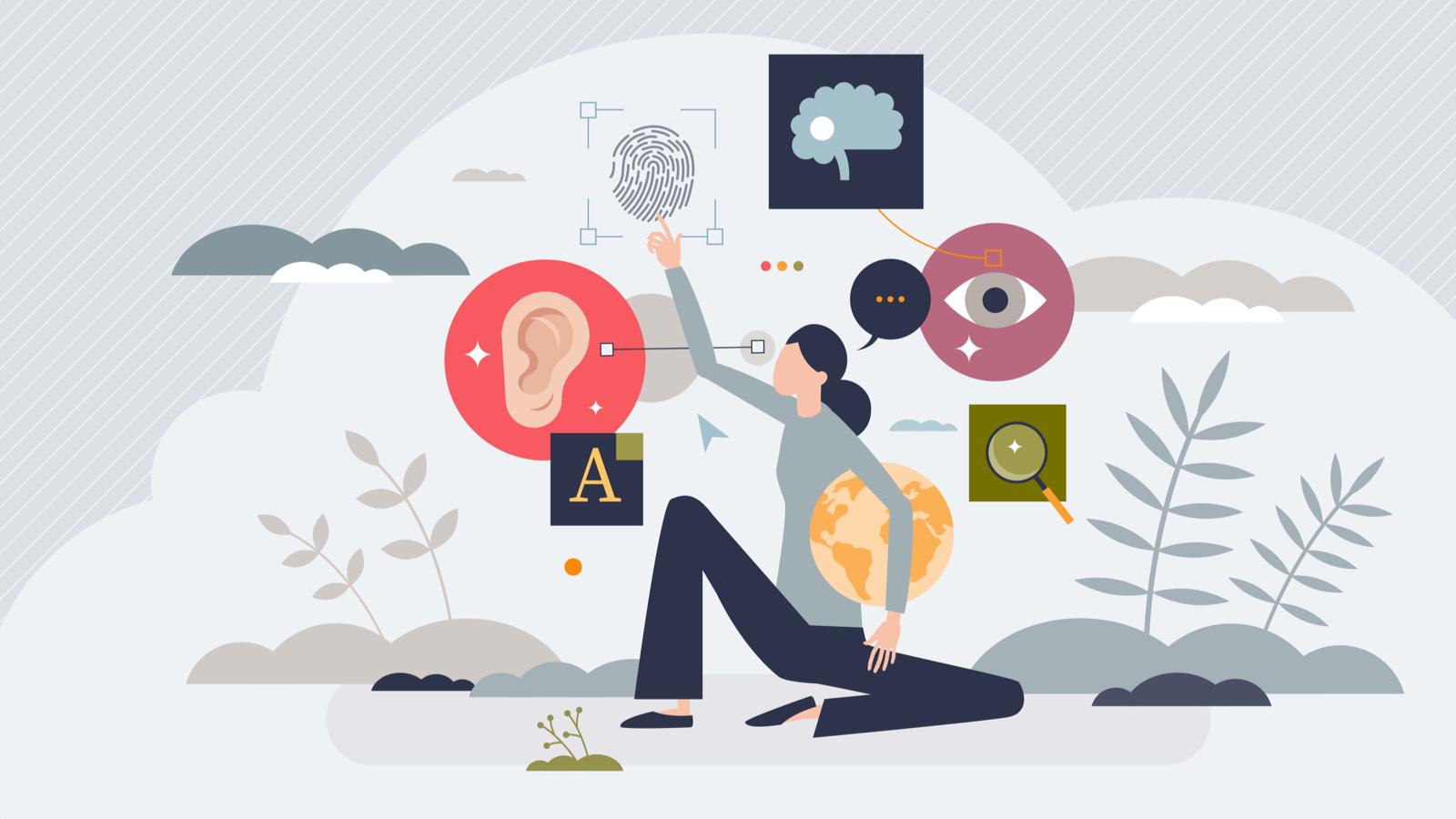
How AI Empowers Students with Disabilities: Enhancing Education and Support
In today’s rapidly evolving educational landscape, AI in education stands out as a transformative force, especially for students with disabilities. Artificial Intelligence not only improves accessibility but also fosters personalized learning experiences, support systems, and inclusive environments. This article delves into how AI empowers learners with disabilities, explores the benefits, shares case studies, provides practical tips, and discusses future trends in special education technology.
table of Contents
- Introduction
- Benefits of AI for Students with Disabilities
- AI-Powered Tools Transforming Accessibility
- Personalized Learning with AI
- Case Studies and Real-World Examples
- Practical Tips for Integrating AI in Special Education
- Future Trends in AI and Special Education
- Conclusion
Introduction
For decades, students with disabilities have faced barriers in accessing quality education, from inadequate resources to limited support strategies. Though, the emergence of artificial intelligence (AI) is revolutionizing special education. AI-driven tools and applications offer new pathways to independence,inclusion,and achievement. Whether it’s assisting students with visual impairments, hearing loss, autism spectrum disorder, or learning disabilities, AI brings unprecedented advantages to the classroom.
Benefits of AI for Students with Disabilities
AI empowers students with disabilities by addressing both academic and emotional needs. Here are some key benefits:
- Accessibility Enhancement: AI tools like speech-to-text and text-to-speech technologies make educational materials accessible for students with visual or hearing impairments.
- Personalized Learning: Adaptive learning platforms tailor content to individual needs, accommodating various disabilities and learning styles.
- Real-Time Support: Chatbots and virtual assistants provide instant help, reducing wait times and fostering independence.
- Communication Support: AI-powered communication aids assist students with speech or language disorders to express themselves effectively.
- Data-Driven Insights: Teachers can access analytics to monitor student progress, identify challenges, and refine individualized education plans (IEPs).
- Emotional Well-being: Some AI solutions can detect signs of stress or frustration, prompting timely interventions and promoting a positive learning environment.
AI-Powered Tools Transforming Accessibility
With ongoing advancements in AI accessibility technology,students with disabilities now have access to a variety of innovative tools,including:
- Screen Readers: Powered by AI,modern screen readers accurately translate text,images,and even mathematical equations into speech,aiding blind and visually impaired students.
- speech Recognition Software: Dictation apps let students with mobility or learning disabilities complete assignments hands-free.
- Augmented Reality (AR) & Virtual Reality (VR): Combined with AI, AR/VR environments offer immersive, customizable learning experiences that cater to sensory or cognitive disabilities.
- Real-Time Translation: AI-based platforms automatically translate written and spoken language, supporting multilingual and deaf students.
- Predictive Text & AI Writing Assistants: These tools assist students with dyslexia or other learning challenges by correcting spelling, grammar, and syntax in real time.
- Emotion Recognition: AI-driven cameras and sensors can analyze facial expressions, allowing educators to adjust teaching strategies for students experiencing frustration or confusion.
Personalized Learning with AI
AI in special education goes beyond accessibility—it enables truly personalized learning experiences by analyzing student data and adapting content. Here’s how:
- Adaptive Curriculum: AI platforms evaluate performance and interests,recommending materials suited to individual strengths and weaknesses.
- Progress tracking: Automated systems monitor student progress, generating actionable insights for teachers and parents.
- Learning pace Adjustment: Students can revisit materials, slow down lessons, or receive additional support as needed, fostering confidence and deeper understanding.
- Feedback Loops: AI-powered quizzes and assignments provide instant, tailored feedback to reinforce concepts.
For students with disabilities, this level of customization means they are no longer held back by rigid curricula, instead progressing at their own pace and in ways that respect their unique abilities.
Case Studies and Real-World Examples
Below are examples illustrating the impact of AI for students with disabilities:
Case Study 1: AI-Assisted Learning for Students with Dyslexia
A school district in California integrated AI-based reading software to support students with dyslexia. The platform utilizes natural language processing to highlight, pronounce, and define difficult words. Over 75% of participating students improved reading comprehension scores within six months.
Case Study 2: Virtual AI Tutors for Autism Spectrum Disorder
An innovative AI chatbot was introduced in a UK classroom to help autistic students develop social skills. The virtual tutor simulated conversation scenarios, provided feedback, and allowed students to practice in a safe environment.Teachers observed increased classroom engagement and reduced anxiety in affected students.
First-Hand Experience: Empowering Independence
“Using AI speech recognition tools changed everything for my students with mobility disabilities. They can write essays and interact in class without waiting for assistance, making them feel truly included.”
– Special Education Teacher
Practical Tips for Integrating AI in Special Education
To make the most of AI empowerment for students with disabilities, consider these actionable steps:
- Prioritize Needs assessment: Collaborate with students, parents, and educators to identify specific challenges and match them to suitable AI tools.
- leverage Free and Open-Source AI Solutions: Many free or low-cost options exist, especially for text-to-speech, speech-to-text, and communication apps.
- Continuous Training: Provide ongoing professional development to help teachers effectively use and integrate AI technologies.
- Monitor & Evaluate Impact: Regularly review how AI tools affect student learning, engagement, and emotional well-being.
- Ensure Data Privacy: Always prioritize student privacy and comply with regulations when deploying AI systems that store or process user data.
Recommended AI Tools for Students with Disabilities
- Google Read&Write: Offers powerful text-to-speech, speech-to-text, and literacy support.
- Microsoft Immersive reader: Provides reading and comprehension support, ideal for dyslexia and ADHD.
- Voice Dream Reader: Customizable reading app designed for visual and reading impairments.
- Otter.ai: Real-time transcription for lectures and meetings.
Future Trends in AI and Special education
Advancements in AI promise even greater opportunities for students with disabilities. Key trends to watch include:
- Emotionally Bright AI: Systems that respond empathetically to student emotions and social cues.
- Multimodal Learning Tools: Integration of audio, visual, and tactile feedback to meet diverse learning needs.
- Universal Design for Learning (UDL): AI-powered platforms that proactively tailor content not only for disabilities but for everyone.
- Seamless Home/School Integration: Cloud-based AI will connect classroom and home learning, ensuring consistent support.
As AI becomes smarter and more accessible, educators must ensure it is implemented ethically, with student voice and choice at the forefront.
Conclusion
AI is empowering students with disabilities by dismantling barriers,fostering independence,and promoting inclusive learning environments. From accessible tools to personalized education plans and real-world success stories,the transformative impact is clear.By leveraging AI technologies thoughtfully, educators and schools can enhance both academic performance and emotional well-being, ensuring that every student has the opportunity to thrive.
Investing in AI for special education isn’t just about technology—it’s about dignity, opportunity, and the future of learning. Let’s embrace these innovations and work together to create truly accessible and supportive educational experiences for all learners.