
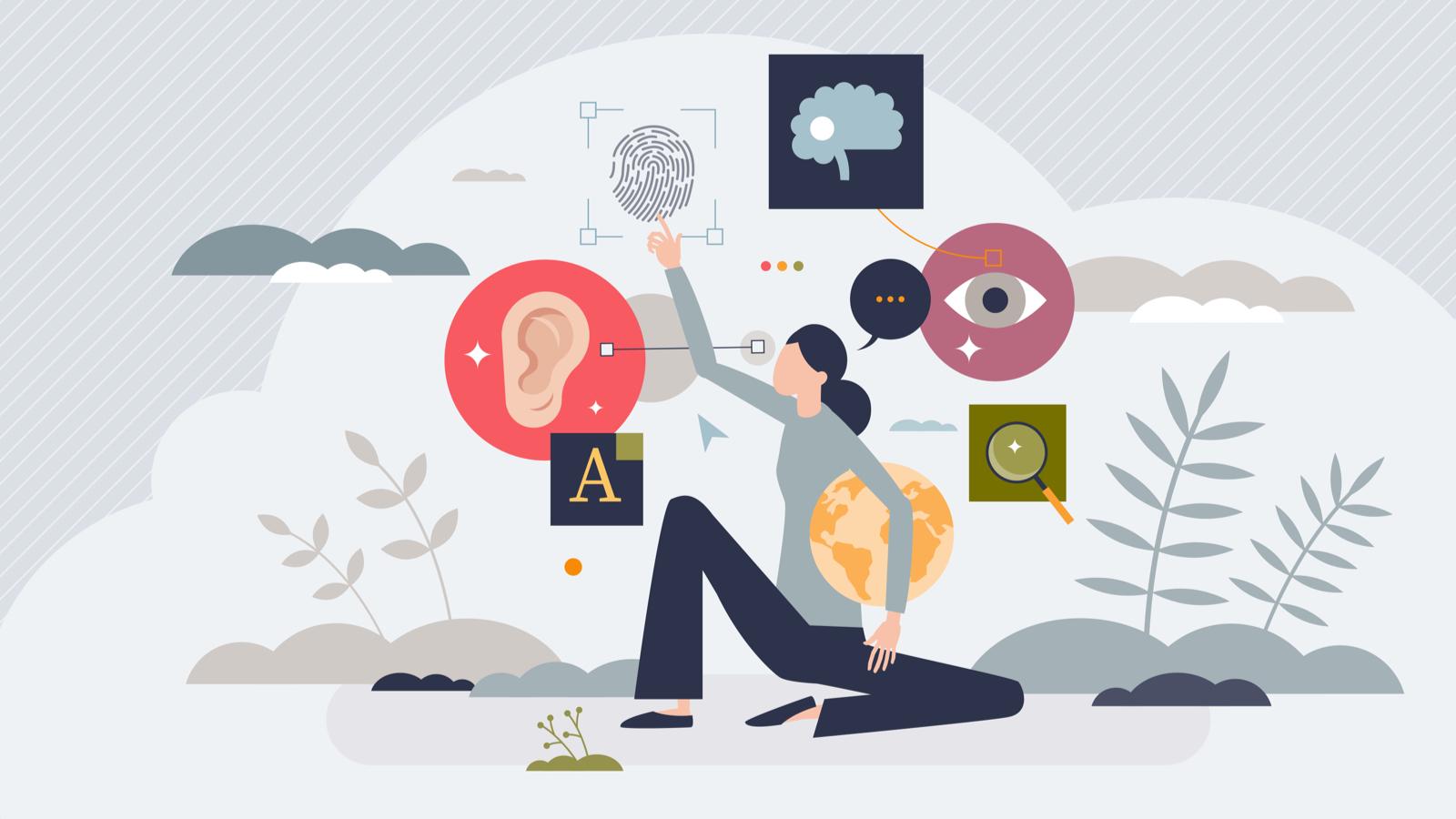
How AI Empowers Students with Disabilities: Enhancing Inclusive Education
Artificial intelligence (AI) is rapidly transforming the way we approach inclusive education. Discover how AI empowers students with disabilities, breaks barriers to learning, and helps educators create a more inclusive and adaptive environment for every learner.
Introduction: Rethinking Inclusive Education with AI
Inclusive education strives to ensure that all students—irrespective of their abilities—have equal access to quality learning experiences. Yet, students with disabilities have historically faced unique challenges in the classroom, from physical barriers to inaccessible learning materials. Today, artificial intelligence is empowering educators and students by offering personalized support, adaptive technologies, and innovative learning tools. In this article, we’ll explore how AI enhances inclusive education, the transformative benefits it brings, and practical ways educators and families can harness its potential.
Benefits of AI for Students with Disabilities
AI-driven solutions are unlocking new possibilities for diverse learners. Here are some key benefits:
-
Personalized Learning:
AI algorithms can analyze individual strengths and weaknesses, delivering tailored content and pacing for each student.
-
Adaptive Technologies:
Tools such as speech-to-text, text-to-speech, and language translation help students overcome communication barriers.
-
assistive Devices:
AI powers devices like screen readers, smart pens, and voice assistants, making digital content accessible for students with visual, auditory, or motor impairments.
-
Real-time feedback:
AI systems provide instant feedback and scaffolding, allowing students to correct mistakes and build confidence.
-
Enhanced Engagement:
Interactive educational games and immersive environments keep students motivated and foster a love of learning.
-
Data-Driven Insights:
Teachers and caregivers can leverage AI-generated analytics to monitor progress and adapt teaching strategies.
How AI Supports Different Types of Disabilities
The spectrum of disabilities is wide, spanning physical, sensory, cognitive, and emotional challenges. AI solutions are designed to support specific needs:
1.Visual Impairments
- Screen Readers: AI-powered applications convert text and images into speech or Braille.
- image Recognition: Apps like Seeing AI narrate what’s detected in the camera view,helping students navigate surroundings.
2. Hearing Impairments
- Real-time Captioning: AI generates instant captions during video calls or lectures, making spoken content accessible.
- Sign Language Recognition: Cutting-edge models can interpret sign language and facilitate two-way communication.
3. Physical Disabilities
- Voice Commands: AI assistants simplify access to digital devices, enabling hands-free navigation.
- Smart Prosthetics: AI integrated with prosthetics offers enhanced dexterity and interaction.
4. Learning Disabilities
- Adaptive Learning Platforms: AI customizes quizzes, reading materials, and assessments based on real-time understanding.
- Speech and Language Therapy: AI chatbot tutors practice pronunciation, vocabulary, and comprehension at a student’s pace.
Practical Tips for Educators: Integrating AI in Inclusive Classrooms
- Assess Individual Needs: Collaborate with students, families, and support staff to identify areas where AI tools can make the most impact.
- Choose Accessible Tech: Select AI-powered tools that comply with Web Content Accessibility Guidelines (WCAG) and offer customizable settings.
- Offer Ongoing Training: Provide professional progress and hands-on workshops to help teachers and students master new technologies.
- Foster a Supportive Environment: Encourage peer collaboration and open discussion to build a community focused on inclusive learning.
- Monitor and evaluate: Use AI-generated reports and analytics to track student progress and adjust instructional strategies as needed.
Case studies: AI Transforming Inclusive Education
Case study 1: Voice-Enabled Learning for Dyslexia
A middle school in California introduced AI-powered voice assistants to support students with dyslexia. By converting written assignments to spoken words and vice versa, students gained confidence in their reading and writing skills. Educators noted a marked improvement in academic performance and student engagement.
Case Study 2: AI Translators for Deaf Students
In a mainstream classroom, real-time AI captioning software enabled deaf students to follow lectures and participate fully in group discussions.The technology reduced social isolation and boosted participation,exemplifying how AI fosters equity in education.
Case Study 3: Personalized Math Instruction for Autism Spectrum Disorder (ASD)
Using AI-driven adaptive math platforms, a rural district provided customized lessons to students with ASD. The platforms adjusted difficulty levels and provided visual cues, meeting diverse needs within the same classroom. Teachers reported increased motivation and mastery among students.
First-Hand Experiences: Voices from the Community
“Before our school adopted AI-assisted technology, our daughter felt left out during group activities.Now, she’s able to keep up with her classmates and participate more fully. Watching her confidence grow has meant everything to our family.”
— Parent of a student with cerebral palsy
“AI apps helped me read my assignments independently, even though I have low vision.The screen reader lets me access textbooks and join class discussions. It’s made a huge difference to my learning.”
— High school student with visual impairment
Challenges and Considerations
While AI-driven inclusive education offers vast benefits, careful planning is essential. Here are key considerations:
- Privacy & Security: Safeguarding student data is paramount. Choose platforms with robust privacy protocols.
- Accessibility across Devices: Not all students have access to the latest technology. Ensure compatibility with a range of devices.
- Bias & Equity: Monitor AI algorithms for bias and work towards equitable solutions for all students.
- Continuous Support: Regular maintenance and tech support are needed to keep tools effective and up to date.
Conclusion: The Future of Inclusive Education with AI
The change of inclusive education is underway,thanks to the power of AI. By breaking down barriers and offering tailored support, AI empowers students with disabilities to thrive academically and socially. As schools and families embrace these technologies, it’s crucial to address challenges, prioritize accessibility, and foster collaborative learning environments.
Inclusive education is not just a goal—it’s an ongoing journey. With AI,we can create classrooms where every student has an equal opportunity to shine,regardless of their abilities. The future is brighter, more inclusive, and endlessly innovative.