
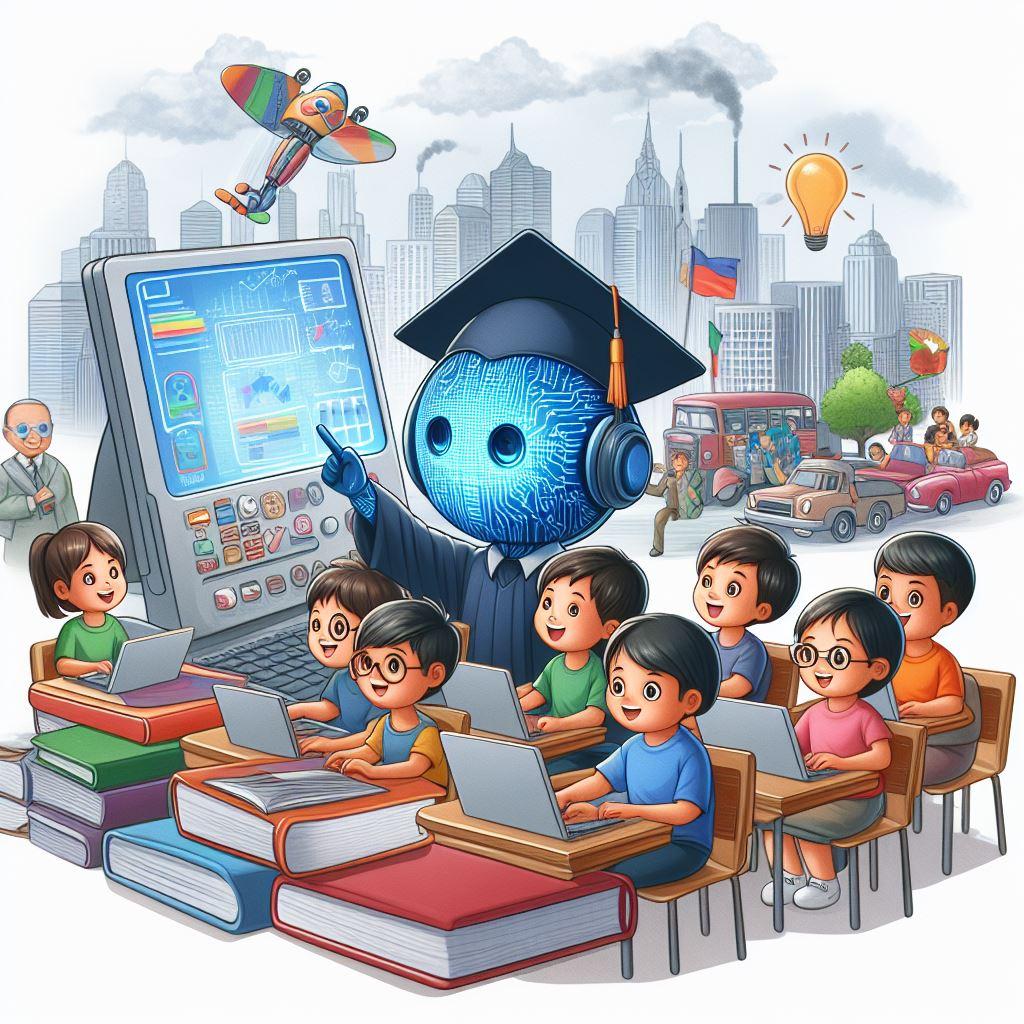
How AI empowers Students with Disabilities: Enhancing Learning and Support
Artificial Intelligence (AI) is revolutionizing education,making it more inclusive and accessible. For students with disabilities, AI-powered tools and solutions are transforming the learning landscape, fostering greater independence, engagement, and academic success. In this article, we uncover how AI empowers students with disabilities, highlight the benefits, showcase real-world examples, and provide practical tips for educators and institutions aiming to create a truly inclusive learning experience.
Why Accessibility in Education Matters
According to the World health Association, approximately 15% of the world’s population lives with some form of disability. Though, students with disabilities frequently enough face unique challenges in the classroom, including:
- Limited access to learning materials
- Difficulties in communicating or expressing themselves
- Barriers to participation in collaborative activities
- Reduced opportunities for personalized learning
AI for education addresses these issues by fostering equal opportunities and supporting diverse learning needs.
How AI Empowers Students with Disabilities
Artificial intelligence is redefining support for students with disabilities through adaptive technologies and personalized learning experiences.Here’s how AI-driven solutions are making a difference:
1. Personalized Learning Pathways
AI algorithms analyse students’ learning habits, strengths, and areas for improvement to create tailored lesson plans and activities. For example, platforms like DreamBox Learning and Smart Sparrow use machine learning to adapt content for students with learning disabilities, ensuring they receive the support they need, precisely when they need it.
2. Speech recognition and Communication Assistance
For students with speech impairments or communication disorders, AI-powered speech-to-text and text-to-speech systems are invaluable. tools such as Google’s live Transcribe and Microsoft Azure Speech services convert speech to written text in real time, enabling effortless communication and improved classroom participation.
3.AI-Enabled Reading and Writing Support
Students with dyslexia or visual impairments can benefit from OCR (Optical Character Recognition) and AI-powered reading tools.Applications like Kurzweil 3000 and Read&write by Texthelp use artificial intelligence to read aloud any digital or printed text, help with spelling, grammer, and provide audio feedback, enhancing both comprehension and confidence in writing.
4. Assistive Technology integration
AI-driven assistive technologies such as Eye Gaze systems, voice assistants, and predictive text generators empower students with physical disabilities by enabling them to interact with computers, educational software, and online content without traditional input devices.
5. Real-time Captioning and Translation
AI-based captioning tools generate real-time subtitles for videos, lectures, and online discussions, breaking down barriers for students with hearing impairments and non-native speakers. AI-powered translation makes global classrooms accessible, fostering inclusivity and supporting diverse learners.
Real-World Case Studies: AI in Action for students with Disabilities
Case study 1: AI Speech Recognition Enhancing participation
At a public high school in illinois, the integration of AI-based dictation software helped students with mobility impairments participate in written assignments. One student, unable to type due to cerebral palsy, experienced a dramatic improvement in academic engagement and grades using dictation tools powered by AI.
Case Study 2: Personalized Reading Intervention for Dyslexia
An elementary school piloted the Lexia Learning platform,which employs AI to analyze students’ reading abilities and deliver targeted interventions. Students with dyslexia received personalized exercises that adapted in real-time, leading to significantly improved reading fluency and comprehension scores.
Case Study 3: Real-Time Captioning in university Lectures
A major university implemented AI-powered captioning in lecture halls. Students who are deaf or hard of hearing accessed real-time,accurate subtitles on their devices. The availability of immediate text helped foster inclusion and academic excellence for all participants.
Key Benefits of AI for Students with Disabilities
- Independence: AI-powered tools enable students to access and engage with course materials independently.
- Personalization: Adaptive learning paths and smart content recommendations cater to each student’s unique needs.
- Improved Communication: Speech recognition and augmentative communication apps facilitate easier and more effective interactions.
- Access to Global Learning: Real-time translation and captioning opens up global and multicultural learning experiences.
- Efficiency for Educators: AI helps automate assessments and customize teaching strategies,freeing up time for direct support.
practical Tips for Leveraging AI in Special Education
- Assess Individual Needs: Collaborate with students and specialists to identify the most suitable AI-powered tools.
- Test Different Solutions: Pilot various apps and platforms to see which best address your students’ accessibility requirements.
- Integrate Training: Provide ongoing training for educators and students to maximize the benefits of AI technology.
- Ensure Data Privacy: Follow guidelines and regulations to protect personal details and maintain trust.
- Collect Continuous Feedback: Regularly solicit feedback to tailor support and improve AI tool implementation.
challenges and Future Directions
While the benefits of AI in special education are significant, challenges remain. Ensuring equitable access to AI-powered devices, addressing algorithmic biases, and providing complete digital literacy are essential for long-term success. The future holds promise, including smarter virtual assistants, expanded language support, and AI-driven social-emotional learning tools tailored for students with disabilities.
First-Hand Experience: Voices from the Classroom
“Before using an AI-powered reading app, I struggled to keep up with my assignments. Now,I can listen to textbooks and articles at my own pace,which helps me to understand and remember more.”
– Jamie, High School Student with Dyslexia
“Integrating AI speech recognition in our classroom has made writing assignments more accessible. Students who found typing difficult are now able to express themselves fluently with their voice.”
– Ms. Rodriguez, special Education Teacher
Conclusion: AI as a Catalyst for Inclusive Education
AI is not just a technological innovation—it’s a catalyst for creating equitable learning environments. By leveraging AI-powered solutions, educators, parents, and institutions can significantly empower students with disabilities, enhancing their learning, independence, and future opportunities.As technology continues to evolve,its thoughtful integration ensures that every student,regardless of ability,has a voice and a place in the classroom.
Let’s harness the power of AI to transform education—for every learner.