
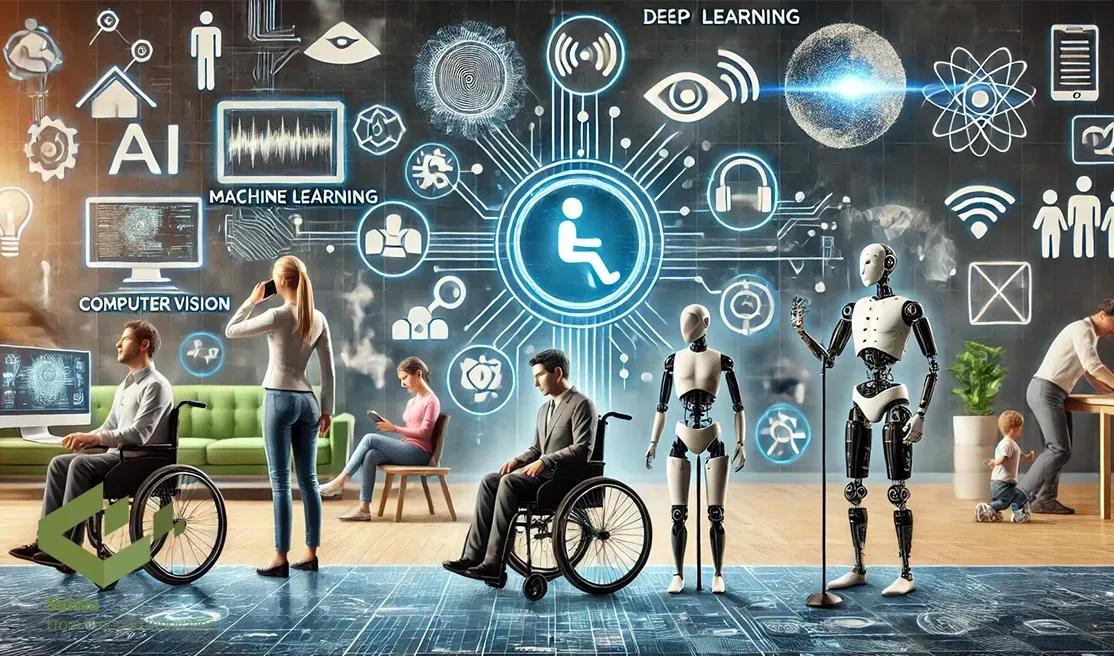
How AI Empowers Students with Disabilities: Innovations and Impact in Education
Artificial intelligence (AI) is transforming the landscape of education, especially for students with disabilities. With cutting-edge technologies, AI bridges gaps, enhances accessibility, and creates personalized learning experiences that cater to diverse needs. In this article, we’ll explore how AI empowers students with disabilities, spotlighting real-world innovations, practical benefits, and the profound impact on inclusive education.
Table of Contents
- Introduction
- AI Innovations Supporting Students with Disabilities
- Benefits of AI in Special Education
- Case Studies & Success Stories
- Practical Tips for Implementing AI in the Classroom
- first-Hand Experiences from Educators and Students
- Challenges and Considerations
- Conclusion
Introduction
The pursuit of inclusive education has reached a new frontier thanks to technological breakthroughs.
For students with physical, sensory, cognitive, or learning disabilities, obstacles persist—from communication barriers to a lack of personalized learning resources. AI in education offers a way forward, empowering these learners to reach their full potential. By harnessing intelligent algorithms,assistive devices,and adaptive learning platforms,schools and teachers are creating classrooms where every student’s voice is heard.
AI Innovations Supporting Students with Disabilities
AI-powered tools and platforms are fast-tracking accessibility and support for learners with disabilities. Below are some leading innovations making a real difference:
- Speech Recognition & Voice Assistants: applications like Siri, Google Assistant, and Dragon NaturallySpeaking enable students with physical or motor impairments to navigate devices, dictate assignments, and search for details hands-free.
- Text-to-Speech & Speech-to-Text: Tools such as Kurzweil 3000, Microsoft Immersive Reader, and Google Text-to-Speech convert text into audio and vice versa, supporting students with dyslexia, visual impairments, or writing challenges.
- AI-Based Captioning & Translation: Platforms like Otter.ai offer real-time transcription and captioning for students who are deaf or hard of hearing, while translation features break down language barriers for multilingual learners or non-native speakers.
- Predictive Text & Grammar Assistance: AI-driven writing aids such as Grammarly and QuillBot help students with learning disabilities improve written communication by providing instant grammar checks and word suggestions.
- Personalized Learning Platforms: Solutions including DreamBox, Smart Sparrow, and Carnegie Learning use machine learning to adjust content and pace according to a student’s individual strengths, weaknesses, and preferred learning style.
- AI-Powered Analytics for Individualized Support: Educators leverage data analytics platforms to track progress, identify specific learning needs, and tailor interventions for students requiring additional support.
- Robotic Assistive Devices: Social robots such as Milo help students with autism develop social and communication skills in a safe, interactive environment.
Benefits of AI in Special Education
The integration of AI in special education delivers a multitude of advantages, fundamentally altering the educational experience for students with disabilities. Key benefits include:
- Increased Accessibility: AI removes common barriers by enabling alternative ways to access information, participate in lessons, and express knowlege.
- Personalized Learning Pathways: intelligent systems adapt instructional materials to suit the pace, style, and needs of each learner, ensuring progress is tailored and meaningful.
- Greater Independence: Assistive AI technologies help students navigate classroom tasks independently, boosting confidence and self-esteem.
- Enhanced Communication: Speech synthesis, translation, and real-time captioning bridge communication gaps for students with sensory or language-based disabilities.
- Immediate Feedback and support: Students receive instant feedback on assignments and assessments from AI-enabled platforms, fostering continuous betterment.
- empowered Teachers and Families: Data-driven insights empower educators and parents to identify challenges, track progress, and develop collaborative interventions.
Key Stats
- According to UNESCO, over 15% of the world’s population lives with a disability, and technological innovation is crucial for achieving educational equity.
- AI-powered assistive technologies have shown an improvement in learning outcomes by up to 35% for students with disabilities, according to EdTech Digest research.
Case Studies & Success Stories
Case Study 1: AI-Powered Captioning for Hearing Impaired Students
At a high school in California, AI-driven captioning tools were implemented in classrooms with hearing impaired students. Real-time transcription allowed these learners to follow spoken instructions, participate actively in discussions, and access lectures more independently than ever before. Teachers reported an increase in academic performance and classroom engagement.
Case Study 2: Robotics and autism Support
A primary school in Texas introduced the Milo robot in their special education department. Milo engaged students with autism in social skills training using facial recognition and natural language processing. Over one semester, social interaction scores rose significantly, and both students and parents noticed improvements in communication.
Case Study 3: Personalized Learning for Dyslexic Students
Using AI-powered adaptive learning software, one school redesigned their approach to teaching dyslexic students.The platform analyzed reading patterns and customized content, resulting in marked improvements in literacy rates and student confidence. Teachers cited the software’s data analytics as critical for tailoring lesson plans.
Practical Tips for Implementing AI in the Classroom
Rolling out AI solutions in an educational environment requires planning and understanding. Here are actionable tips for schools, teachers, and administrators:
- Start Small: Pilot one or two AI-based tools with a group of students to gauge effectiveness and discover what works best.
- Engage Stakeholders: Involve students, parents, and support staff in the selection and integration of AI technologies.
- Prioritize Accessibility: select AI platforms that comply with international accessibility standards (e.g., WCAG, Section 508).
- Provide Training: Offer workshops for teachers and students to foster digital literacy and confidence in using AI solutions.
- Monitor Progress: Use built-in analytics to track student engagement and learning outcomes, adjusting strategies as needed.
- Ensure Data Privacy: Choose reputable providers with strong security measures to protect sensitive student data.
First-Hand Experiences from Educators and Students
Maria, Special Needs Teacher: “Integrating AI into my classroom has been a game changer. My non-verbal students use speech-generating devices powered by machine learning, and suddenly, their ideas and personalities shine. We see more engagement and higher independence.”
Jake, Student with Dyslexia: “Using text-to-speech tools, I read faster and understand more.I’m not afraid to participate in class anymore.”
Personal stories like these highlight the direct and transformational impact of AI in special education settings, reinforcing the importance of inclusive technology.
Challenges and Considerations
While AI offers immense promise, schools must be mindful of a few challenges:
- Cost and Accessibility: Not all institutions can afford the latest AI technology, and disparities in access persist.
- Training Needs: Teachers may require meaningful training and ongoing support to maximize the benefits of AI tools.
- Data Privacy: schools must ensure student data is protected and compliant with relevant privacy regulations.
- Over-Reliance on Technology: AI should supplement human relationships and pedagogy, not replace them. Balance is essential.
Despite these considerations, the path forward is promising, with ongoing improvements and increased adoption across the globe.
Conclusion
The arrival of artificial intelligence in education is empowering students with disabilities like never before.From speech recognition assistants and personalized learning platforms to robotics and real-time captioning, AI breaks down barriers, fosters independence, and enables truly inclusive classrooms. While challenges remain, ongoing innovation, collaboration among educators, and thoughtful implementation will continue to unlock the full potential of every student. schools embracing AI not only pave the way for equity but set new global standards for accessible learning.
Are you ready to transform your classroom with AI-powered solutions? Explore the latest assistive technologies, get involved with inclusive education communities, and join the movement to empower students with disabilities worldwide.
Keywords Used: AI in education, artificial intelligence in special education, AI empowers students with disabilities, assistive technology, personalized learning, inclusive education, accessibility, benefits of AI in education, case studies, tips for implementing AI, challenges in AI adoption, educator experiences.