
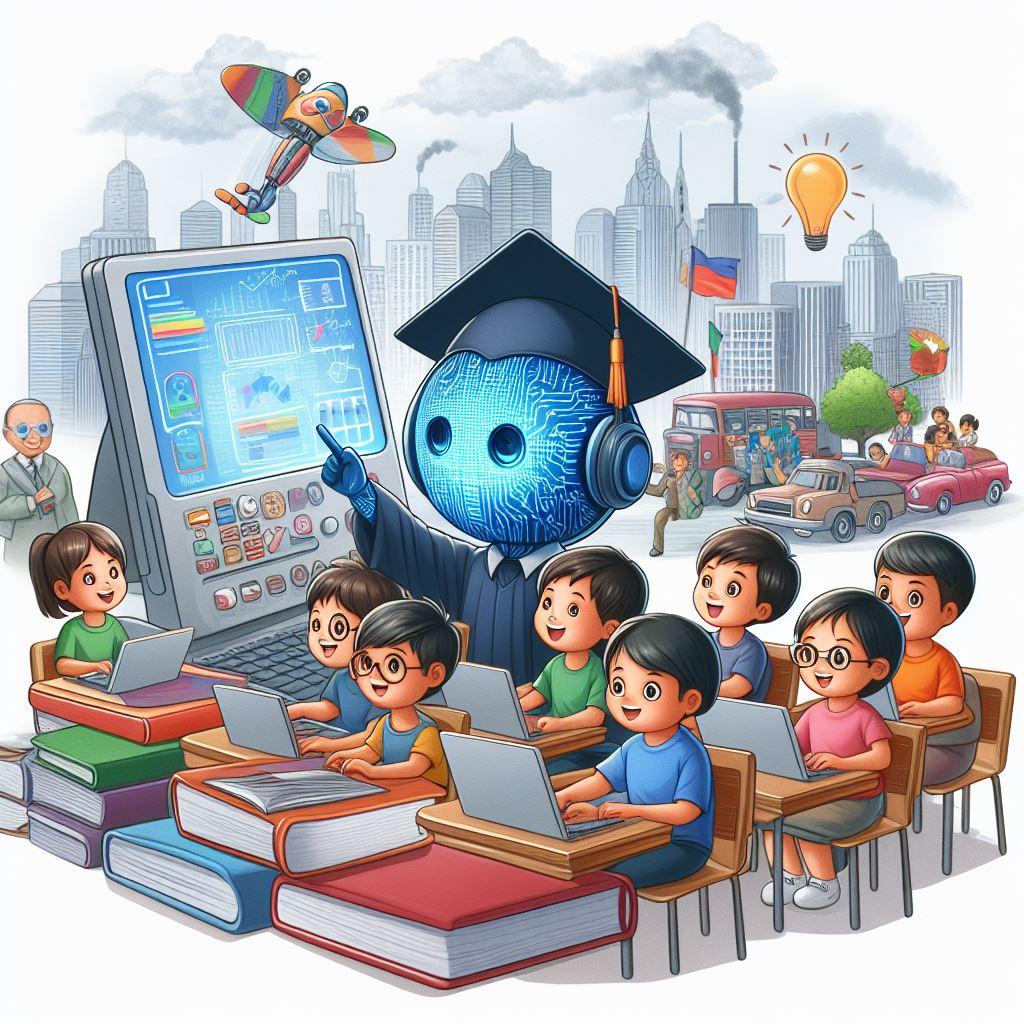
How AI Empowers Students with Disabilities: Innovations in Accessible Education
Artificial Intelligence (AI) is dramatically reshaping education, especially for students with disabilities. By leveraging smart technologies, educators, developers, and policymakers are breaking down barriers and unlocking new possibilities for accessible learning. In this article, we’ll explore how AI empowers students with disabilities, highlight groundbreaking innovations in accessible education, share inspiring case studies, and offer practical tips for embracing inclusive technology in the classroom.
Understanding Accessible Education in the Digital Era
Accessible education refers to designing learning environments and resources that benefit all students, regardless of their physical, cognitive, or sensory abilities. For students with disabilities, conventional learning platforms often pose challenges— from inflexible curricula to inaccessible digital content.This is where AI in accessible education steps in, offering adaptive solutions tailored to individual needs.
- Visual Disabilities: Navigating text, images, and multimedia can be arduous without screen readers or choice formats.
- Hearing Impairments: Traditional classroom settings may lack sign language interpreters or real-time captioning.
- Mobility and Motor Impairments: Physical access to devices or materials may be limited.
- Learning Disabilities (e.g., dyslexia, ADHD): Students require individual pacing, specialized tools, or multi-sensory support.
AI technologies not only address these challenges but also create personalized learning experiences, making education more equitable and engaging for every student.
AI Innovations Transforming Accessible Education
From powerful voice assistants to real-time transcription services, let’s dive into the innovative AI solutions empowering students with disabilities:
1. Automated Speech Recognition and Captioning
- Real-Time Captioning: AI-driven tools such as Otter.ai and Microsoft’s Live Captions instantly transcribe spoken words into readable text, enabling deaf or hard-of-hearing students to follow lessons.
- Speech-to-Text: Dictation apps powered by AI help students with motor disabilities convert spoken input into written assignments effortlessly.
2. Smart Screen Readers and Text-to-Speech
- AI Screen readers: Solutions like JAWS and NVDA use machine learning to interpret web pages, documents, and multimedia content for students who are blind or visually impaired.
- Natural Text-to-Speech Engines: Google Text-to-Speech and Amazon Polly create lifelike audio renditions of textbooks, accessible via mobile devices and desktops.
3. AI-Powered Learning Platforms
- Personalized Learning: Platforms such as DreamBox and KidSense AI adaptively customize lessons to match students’ abilities, ensuring that learners with disabilities advance at their own pace.
- Gamification and Engagement: AI can transform dull exercises into captivating games, improving focus and motivation for students with cognitive or learning disabilities.
4. AI Tools for Physical Accessibility
- Voice Assistants (Alexa, Google Assistant): Students with physical disabilities can use voice commands to navigate educational apps, control smart devices, or search for data hands-free.
- eye-Tracking software: Programs like Tobii Dynavox harness AI to help students control computers or communication boards using eye movements.
5. AI in classroom Assessment
- Automated Feedback: Platforms utilize AI to evaluate student performance, identify learning gaps, and recommend targeted interventions suited to individual needs.
- Predictive Analytics: AI can signal when a student requires extra support, aiding teachers in proactive intervention.
Benefits of AI for Students with disabilities
The integration of AI in accessible education offers numerous advantages:
- Inclusivity: AI ensures all students—regardless of their abilities—have equal access to learning resources and opportunities.
- Personalization: Tailored instruction helps students overcome unique learning hurdles and reach their full potential.
- Engagement: Adaptive content and interactive tools keep learners motivated and involved, making education enjoyable.
- Autonomy: AI empowers disabled students to learn independently, boosting confidence and self-esteem.
- Efficiency: Automated tools streamline administrative tasks, freeing educators to focus on teaching.
Case Studies: Real-World Impact of AI in Accessible Education
Case Study 1: Real-Time Language Accessibility at Gallaudet University
Gallaudet University, a world leader in deaf education, integrated AI-powered captioning and translation technologies in lectures. Students can now receive instant translations from spoken English to American Sign Language and text captions, dramatically improving classroom engagement.
Case Study 2: personalized Learning for Dyslexia with AI Apps
Students at a UK primary school struggling with dyslexia were given access to Lexplore, an AI-driven reading assessment tool.Using eye-tracking and machine learning, Lexplore helped teachers identify students’ challenges early and create individualized intervention strategies, resulting in ample improvements in reading fluency and comprehension.
Case Study 3: Empowering Motor-Impaired Students via Voice Technology
A U.S. high school piloted a program using AI voice assistants (like google home) for motor-impaired students. These devices enabled seamless interaction with classroom resources, fostering a sense of independence and participation among students who previously faced meaningful barriers.
firsthand Experiences: Voices from the Classroom
“With AI-powered speech-to-text, my son can complete his essays without relying on someone to type for him. He feels proud of his own work!”— Parent of a student with cerebral palsy
“The adaptive learning platform has transformed how my daughter learns with dyslexia. She doesn’t feel left behind and loves engaging with interactive lessons.” — Parent of a student with dyslexia
“AI-driven captioning means I can participate in any online lecture, communicate with classmates, and never miss a thing!” — University student who is deaf
Practical Tips for educators: Leveraging AI for accessibility
Adopting AI for accessible education can be straightforward when you know where to start:
- Explore AI Tools: Test diffrent tools (such as Read&Write, Grammarly, or Dictation) to find ones that best suit your students’ unique needs.
- Prioritize Training: Invest in professional development so staff and students understand how to use accessibility technologies safely and effectively.
- Customize Content: Use platforms that allow you to adjust font size, color contrast, and navigation for accessibility.
- Involve Students: Encourage students to voice their preferences and feedback regarding technology in the classroom.
- Collaborate: Partner with disability advocacy groups and edtech developers to stay ahead of new AI innovations.
Challenges and Future Directions in AI-Driven Accessible Education
While the promise of AI for accessible education is profound,some challenges remain:
- Data Privacy: Protecting sensitive student information is crucial when using AI-powered platforms.
- Affordability & Equity: Not all schools have the budget for cutting-edge technology, raising concerns about the digital divide.
- Bias & Depiction: Developers must ensure AI algorithms are trained to accommodate diverse disability needs.
- Continuous Improvement: Ongoing collaboration between educators, technologists, and the disability community is essential to refine and expand accessible AI tools.
The future holds tremendous promise, with advancements in AI accessibility enabling more immersive, inclusive educational experiences such as virtual reality learning, adaptive testing, and even AI-powered sign language avatars.
Conclusion: The Path Toward Inclusive Learning
AI is revolutionizing accessible education, delivering practical, creative solutions that empower students with disabilities to learn, grow, and thrive. By embracing AI innovations, educators and institutions can dismantle barriers, boost engagement, and ensure that every student receives the quality education they deserve. Whether through personalized platforms, smart captioning, or hands-free interfaces, the integration of AI in accessible education signals a bold step toward true inclusivity.
To drive systemic change, collaboration and ongoing learning are key—every stakeholder has a role in ensuring these technologies reach their full potential. Together, we can build an educational future where all voices are heard and every learner’s abilities are recognized and celebrated.
If you found this article helpful, share it with your network or leave a comment below!