
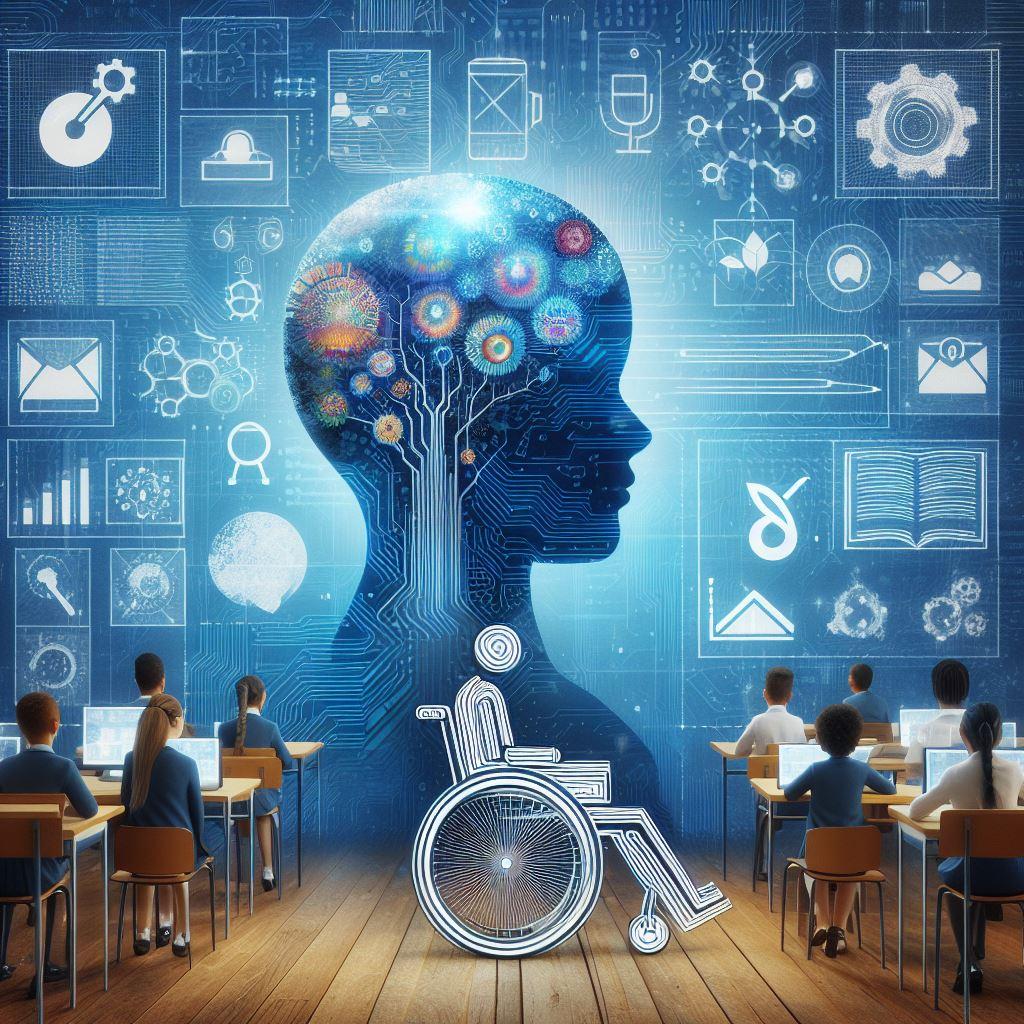
How AI Empowers Students with Disabilities: Innovative Support and Inclusive Education
Artificial Intelligence (AI) is rapidly transforming the world of education—especially when it comes to supporting students with disabilities. As advanced learning tools become increasingly accessible, AI is removing barriers and enabling a more inclusive education for all. This comprehensive guide explores how AI empowers students with disabilities, showcases innovative support solutions, and offers practical strategies to foster true accessibility and success in the classroom.
Introduction: The promise of AI in Inclusive Education
Education should be accessible to every student, irrespective of their abilities. Though,students with disabilities have historically faced critically important obstacles in traditional learning environments,such as lack of personalized support,inaccessible materials,and social isolation. Innovative AI technologies are helping to bridge these gaps, making it easier then ever for students with disabilities to thrive academically and socially.
From speech recognition software that transcribes lectures in real time to personalized learning platforms that adapt content to individual needs, AI’s capabilities hold tremendous promise for transforming lives. Let’s dive deeper into the ways AI is supporting students with disabilities and shaping a more inclusive educational future.
Key Ways AI Empowers Students with Disabilities
AI-driven tools and solutions are revolutionizing support for students with varying needs, including:
- Visual Impairments: AI-powered text-to-speech (TTS) readers, image description generators, and accessible digital textbooks open up printed and visual materials to those with low vision or blindness.
- Hearing Impairments: Automatic speech recognition (ASR) technology provides real-time closed captioning and subtitles during lectures, webinars, and videos.
- Learning Disabilities: Personalized AI tutors and adaptive learning systems break lessons into manageable chunks,suggest supplementary resources,and offer targeted feedback tailored to students with dyslexia,ADHD,or processing challenges.
- Physical Disabilities: AI enables assistive devices, including voice-controlled software and smart wheelchair navigation systems, that give students increased autonomy and mobility within the classroom.
- Autism Spectrum Disorders (ASD): AI chatbots and virtual social skills trainers help students develop communication abilities in a supportive,non-judgmental surroundings.
Innovative AI Tools Enhancing Accessibility
- Microsoft Immersive Reader: Reads aloud content, splits words by syllable, and adjusts font and background for easier reading.
- Voiceitt: Translates non-standard speech into familiar speech, aiding students with speech impairments.
- Seeing AI: Describes people, text, and objects for visually impaired users using AI-powered narration.
- Google Live Transcribe: Converts speech into text in real-time using the latest ASR technology—ideal for deaf or hard-of-hearing students.
- Quizlet AI: Generates custom study materials and practice questions suited for diffrent learning needs.
Benefits of AI in Supporting Inclusive Education
The integration of AI in educational settings offers a wide range of benefits for students with disabilities:
- Personalization: AI customizes content delivery,pacing,and modality to suit each student’s strengths and challenges.
- Independence: Students gain the ability to access materials and complete tasks without always needing one-on-one assistance.
- Equality of Access: Digital platforms and AI tools make learning opportunities more equitable—regardless of physical, sensory, or cognitive differences.
- Social Inclusion: AI supports collaboration and communication, reducing feelings of isolation by fostering participation in group activities.
- Continuous Monitoring: AI systems track progress and highlight early signs of struggle, enabling timely interventions.
First-Hand Experience: A Student’s Perspective
“Before using AI tools, I always felt a step behind in class discussions. With real-time captions,I can finally keep up and contribute my ideas. AI hasn’t just helped me academically—it’s changed how I see myself as a learner.”
— Emma Garcia, College Student with Hearing Loss
Case Studies: Success Stories of AI in Inclusive Classrooms
Case study 1: AI-Based Reading Support for Dyslexia
At a primary school in California, educators introduced an AI-powered reading assistant for students with dyslexia.The software provided real-time feedback, highlighted confusing words, and adjusted reading levels dynamically. Within a single semester, students not only improved their reading skills by an average of 20% but also reported greater confidence in group activities.
Case Study 2: Smart Captioning for University Lectures
A large public university implemented AI-enabled automatic transcription in all lecture halls. Deaf and hard-of-hearing students were able to follow courses live, participate equally, and review lecture notes after class. This innovation resulted in improved grades and reduced dropout rates among students with hearing disabilities.
Case Study 3: AI in Social Skills Training for Autism
A special education center utilized an AI chatbot designed to simulate social scenarios and guide students with ASD through conversation practice. Over six months, students demonstrated measurable improvements in recognizing social cues, initiating dialogue, and managing anxiety in real-world interactions.
Practical Tips for Implementing AI for Students with Disabilities
To maximize the impact of AI in fostering accessibility and inclusive education, consider the following best practices:
- Assess Individual Needs: Collaborate with specialists to choose AI solutions tailored to specific disabilities and learning goals.
- Prioritize Data Privacy: Ensure any AI tool deployed respects student privacy and complies with regulations like FERPA and GDPR.
- Integrate Teacher Training: Educators should be trained in AI tool usage so they can effectively support students and troubleshoot challenges.
- Encourage Student feedback: Regularly solicit input from students to identify what’s working and where improvements can be made.
- Emphasize Accessibility First: Select AI platforms that adhere to WCAG accessibility standards and offer multiple modes of engagement.
- Monitor and Adjust: Use analytics from AI systems to personalize learning plans and respond to each student’s advancement over time.
Future Trends: The Evolving Role of AI in Inclusive Education
AI’s influence on inclusive education is set to expand even further. Emerging trends include:
- Emotion Recognition: AI systems capable of interpreting students’ emotional states and responding with empathy-driven support.
- Augmented & Virtual Reality (AR/VR): Immersive, accessible learning experiences for students with diverse abilities.
- Universal Design for Learning (UDL): AI helps implement UDL principles by providing multiple means of depiction,engagement,and expression.
- More affordable & Scalable Solutions: Open-source and cloud-based AI platforms lower costs and expand access worldwide.
Conclusion: Empowering Every Learner with AI
The rise of artificial intelligence in education marks a significant leap forward in breaking down barriers for students with disabilities. By providing innovative support, adaptive tools, and personalized learning pathways, AI is fueling a new era of truly inclusive education.
As educators, parents, and technologists collaborate to implement and refine these AI solutions, the future of learning will grow brighter and more accessible for all. Embracing AI is not just about keeping up with technology—it’s about empowering every student to reach their full potential, regardless of their challenges.
Want to explore more on AI and accessible learning? Subscribe to our newsletter for the latest research, practical insights, and inspiring stories from inclusive classrooms around the world.