
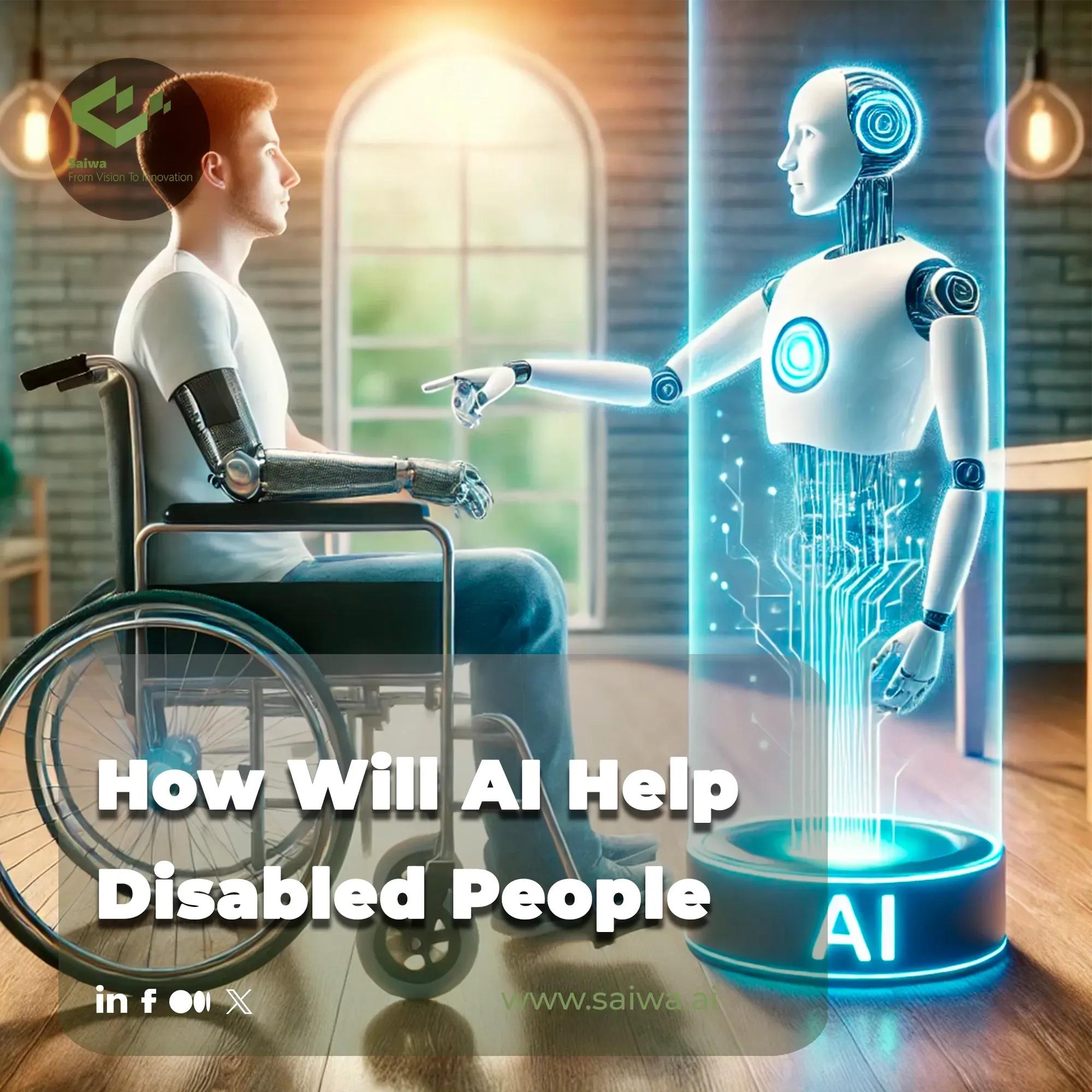
How AI Empowers Students with Disabilities: innovative Support and Solutions
Introduction
Technology is rapidly transforming education, but one of its most profound impacts is how artificial Intelligence (AI) empowers students with disabilities. By breaking down barriers and providing accessible tools, AI is enabling a more inclusive, supportive, and personalized learning habitat for all. Whether it’s enabling students with visual impairments to read, supporting those with dyslexia, or providing real-time translation and dialog aids, AI is truly a game-changer for students with special needs.In this extensive guide, we’ll explore innovative AI solutions, practical benefits, case studies, and best practices for integrating AI-driven accessibility in education.
Why Accessibility and Inclusion Matter
According to the World Health Association (WHO), over 1 billion people worldwide live with some form of disability. In educational settings, ensuring accessibility is not only a legal responsibility but also a moral imperative, critical for fostering equality and opportunity. Conventional classroom tools and methods often fall short in supporting diverse learning needs. That’s where AI steps in,providing tailored solutions that cater to individual abilities and learning styles.
How AI Empowers Students with Disabilities
AI-powered educational technologies utilize machine learning, natural language processing, and computer vision to personalize learning experiences, offer real-time support, and remove obstacles that previously limited access for students with disabilities.
Key Ways AI Supports Students with Disabilities
- Text-to-Speech (TTS) and Speech-to-Text (STT) Engines: AI-powered voice recognition tools help students with visual impairments or reading difficulties by converting text into natural-sounding speech and vice versa.
- AI-based Translators: Real-time AI translators can convert spoken language into sign language or captions,benefitting deaf and hard-of-hearing students.
- Smart Content personalization: AI algorithms analyze student performance and adapt content delivery based on individual learning paces, interests, and special needs.
- Assistive Writing and Reading Tools: AI helps students with dyslexia, ADHD, or other learning disabilities by offering spelling correction, grammar suggestions, and comprehension support.
- Classroom Automation and Monitoring: AI-driven analytics can monitor student engagement and identify areas where additional support is needed, allowing educators to intervene promptly.
Innovative AI Tools for Students with Disabilities
Popular AI-Powered Accessibility Solutions
- Microsoft Immersive Reader: Designed to improve reading comprehension,this tool reads text aloud,highlights words,breaks sentences into syllables,and more.
- Google Live Transcribe and sound Notifications: Offers real-time speech-to-text transcription for the deaf and hard of hearing.
- Seeing AI: A talking camera app from Microsoft for those with visual impairments. It audibly describes people, text, and objects in the environment.
- Texthelp Read&Wriet: An AI-driven toolkit that assists with reading, writing, studying, and research, benefiting students with dyslexia and other learning disabilities.
- Voiceitt: Uses AI to translate non-standard speech patterns into clear communication for those with dysarthria or other speech impediments.
- Otter.ai: Real-time AI transcription service for lectures and conversations, ensuring all students can access information.
Benefits of AI in Special Education
Integrating AI into the educational journey of students with disabilities offers a range of transformative benefits:
- Equal Access: Removes learning barriers, giving all students a fair opportunity to succeed.
- Increased Independence: AI-driven tools empower students to complete tasks without constant one-on-one assistance.
- Personalized Learning: Delivers tailored content, adapting to unique strengths and weaknesses.
- Real-Time Feedback: Provides instant responses and corrections, accelerating learning and retention.
- Improved Communication: Supports students with speech, language, or sensory challenges.
- Enhanced Engagement: Interactive,adaptive content keeps students motivated and involved.
Case Studies: AI Transforming Accessibility in Education
Case Study: AI-Powered Reading Support for Dyslexia
A middle school in the UK piloted Microsoft Immersive Reader for students with dyslexia. Teachers noticed substantial improvements in reading fluency and comprehension. By hearing text read aloud and seeing visual cues,students engaged more actively in class and gained confidence in their abilities.
Case Study: Real-Time Captions for Deaf Students
In a US university, Otter.ai was integrated into lecture halls to provide real-time captions for students who are deaf or hard of hearing. this resulted in higher participation, improved note-taking accuracy, and a stronger sense of inclusion among disabled students.
First-Hand Experiences: Voices from the Classroom
“Using Seeing AI opened up a whole new world for me. I could finally read menus, identify money, and understand what’s happening in class without waiting for assistance.” – Maria, visually impaired student
”The speech-to-text feature transformed my learning process—I can communicate ideas without being judged for my spelling or grammar mistakes.” – David, student with dyslexia
Practical Tips for Leveraging AI in Accessible Education
- Assess individual Needs: Collaborate with students, parents, and special educators to understand which AI tools align best with each student’s unique requirements.
- Pilot New Technologies: Test AI solutions with small groups before rolling them out school-wide to ensure effectiveness and fit.
- Provide Training: Offer workshops and resources for teachers, students, and parents to maximize the benefits of new tools.
- Ensure Data Privacy: Choose AI platforms that prioritize user confidentiality and comply with relevant data protection regulations.
- Seek Student Feedback: Regularly request input from students using AI tools to refine support strategies.
- Stay Updated: AI is rapidly evolving; stay informed about new solutions, upgrades, and best practices in assistive technology.
Conclusion: The Future of Inclusive Education
As AI continues to advance, its capacity to empower students with disabilities will only grow, leading to more equitable and enriching learning environments. By embracing AI-powered accessibility solutions,educators are not just supporting individual needs—they’re fostering a culture of inclusion,independence,and opportunity. The journey towards accessible education is ongoing, but with innovative AI tools and a commitment to equity, the future looks brighter than ever for students of all abilities.
Ready to transform your classroom or educational institution? Start exploring AI accessibility solutions today—and join the movement towards a truly inclusive and empowering education for every student.