
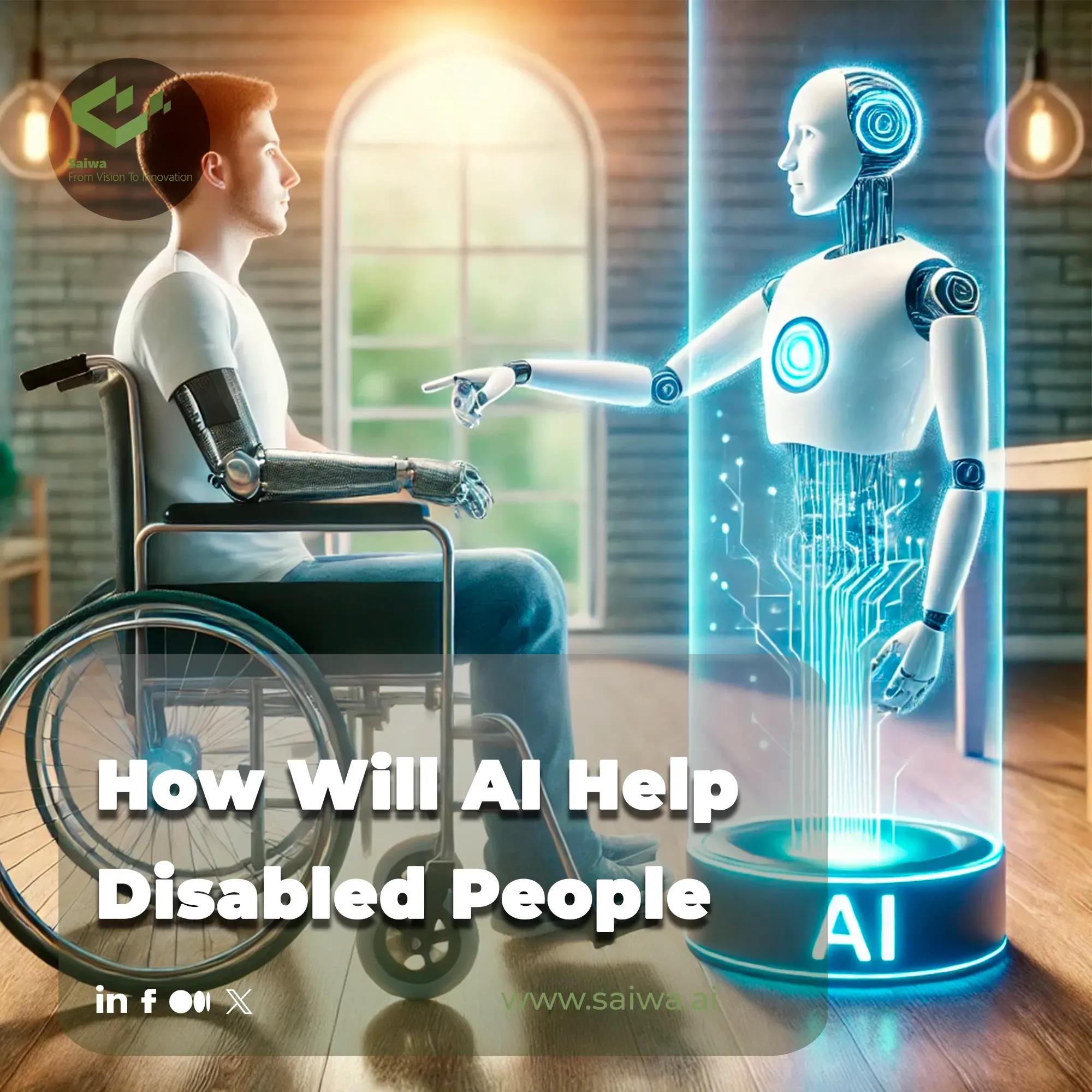
How AI Empowers Students with Disabilities: Transformative Support in Education
Introduction: Bridging the Accessibility Gap with Artificial Intelligence
Education should be accessible to everyone, irrespective of their abilities. For years, students with disabilities have faced unique challenges that can hinder their learning journey—from inaccessible textbooks to traditional assessment methods that fail to accommodate different learning needs. However,Artificial Intelligence (AI) is now revolutionizing educational support,offering innovative tools that empower students with disabilities like never before.
in this extensive guide, we’ll explore how AI enhances educational outcomes for students with disabilities, offering personalized resources, breaking dialog barriers, and fostering true inclusivity in classrooms worldwide.
The Challenges students with Disabilities Face in Education
Students with disabilities, including those with visual, auditory, mobility, learning, or cognitive impairments, often encounter barriers such as:
- Lack of accessible learning materials
- Difficulty participating in traditional classroom activities
- Limited individualized instruction and support
- Stigma, isolation, or low expectations from peers and educators
- Challenges in assessment and communication
AI-driven solutions are uniquely positioned to address these challenges and promote educational equity.
How AI Empowers Students with Disabilities in Education
Artificial Intelligence opens doors for greater accessibility, independence, and personalized learning experiences. Here’s a closer look at how AI empowers students with disabilities:
1. Personalized Learning and Adaptive Content
- AI-driven platforms analyze individual learning patterns and adapt lessons or quizzes in real-time, making them more suitable for diverse learning needs.
- Students can learn at their own pace, revisiting challenging topics or advancing when pleasant.
- AI tutors provide instant feedback and step-by-step explanations, reducing the need to rely solely on classroom teachers.
2. Assistive Technologies for Enhanced Accessibility
- Speech recognition Tools: Allow students with mobility or writing challenges to convert spoken words into text for note-taking, essays, and communication.
- Text-to-Speech (TTS): Converts written content into synchronized audio, supporting students with visual impairments or reading difficulties such as dyslexia.
- AI-powered screen readers navigate web pages, documents, and educational software, making digital content more accessible.
- Real-time Captioning: Uses AI to generate accurate subtitles during lectures or videos for students who are deaf or hard of hearing.
- Image Recognition: Describes visual elements for students with vision loss, promoting greater inclusion in STEM subjects.
3. Breaking Communication Barriers
- AI translation and augmentation: Automatically translates sign language into text and vice versa, bridging the gap for hearing-impaired students.
- Predictive text and AI chatbots: Support students with speech or language disorders, enabling easier communication with educators and peers.
4. Enhanced Learning Analytics and Monitoring
- AI analytics help educators track student progress, identify challenges, and customize interventions for students with disabilities.
-
Early alerts provided by AI can prompt timely support, reducing dropout rates and improving academic outcomes.
Benefits of AI in Supporting Students with Disabilities
- Inclusivity: AI-powered tools facilitate worldwide design, benefiting not only students with disabilities but all learners.
- Independence: Students gain confidence as they rely more on adaptive technologies rather than constant human assistance.
- Self-paced learning: AI allows learners to progress at comfortable speeds and review materials as needed.
- Early intervention: Machine learning algorithms can spot learning difficulties or disengagement early, allowing for swift action.
- Improved accessibility: From choice input methods (e.g., eye-tracking, voice commands) to automated content adaptation, education becomes more accessible and engaging.
- Cost-efficiency: Scalable AI solutions can supplement limited special education resources in schools with tight budgets.
Case Studies: AI Transforming Lives in the classroom
AI Text-to-Speech for Dyslexia support
Michael, a high school student diagnosed with dyslexia, struggled to keep up with reading-intensive assignments. By integrating an AI-powered text-to-speech app, he could listen to digital textbooks, annotate voice notes, and better comprehend material. His grades and self-esteem improved significantly, demonstrating how adaptive AI solutions foster academic success.
AI-Powered Real-Time Captioning for Hearing-impaired Students
At a progressive university, real-time AI captioning was implemented for lectures, allowing hearing-impaired students instant access to spoken content. This technology not only boosted engagement but also allowed instructors to monitor weather all students understood key points, further enhancing learning outcomes.
Smart AI Chatbots as Virtual Classroom Assistants
A middle school introduced smart AI chatbots to answer student queries about homework and resources. Students with motor and speech impairments found these bots helpful in obtaining timely assistance outside the classroom, reducing stress and promoting ongoing learning.
First-Hand Experience: Voices from the Community
“AI text-to-speech tools have been a game-changer for my son, who is blind. He now reads and responds to emails independently,which would have been a struggle before.”
– Parent of a visually impaired student
“With AI captioning, I never feel lost in class anymore. I can follow along and ask relevant questions in real time.”
– University student, hard of hearing
Practical Tips: Maximizing the Benefits of AI in Inclusive Education
- Identify your needs: Consult with students, parents, and educators to select AI tools that meet specific disability requirements.
- Explore open-source and commercial solutions: Many AI-powered accessibility tools are free or affordable for schools and families.
- Train and support users: Provide training for all users—students, teachers, families—to ensure smooth adoption and effective use.
- Regularly update tools: AI evolves rapidly; keep apps and devices up-to-date for best performance and security.
- Seek feedback: Involve students in ongoing discussions about tool effectiveness and usability for continual advancement.
looking Ahead: The Future of AI and Disability Support in Education
As AI technology in education continues to mature,its potential to empower students with disabilities will only grow. We can expect even more smart assistive technologies, improved language models for personalized communication, and deeper integration with classroom management systems. Ethical implementation remains critical—students’ privacy, data security, and the human touch of educators must remain paramount as AI solutions are deployed on a larger scale.
Conclusion: Creating an Inclusive Tomorrow with AI
The transformative power of AI is reshaping the educational landscape, making learning environments more inclusive, accessible, and personalized for students with disabilities. Through practical applications like personalized learning, assistive communication, and real-time accessibility features, AI technologies not only break down barriers but also unlock each student’s full potential.
By embracing artificial intelligence in disability support, educators, institutions, and families can ensure that every learner has the tools and opportunities they need to thrive—today and in the future.