
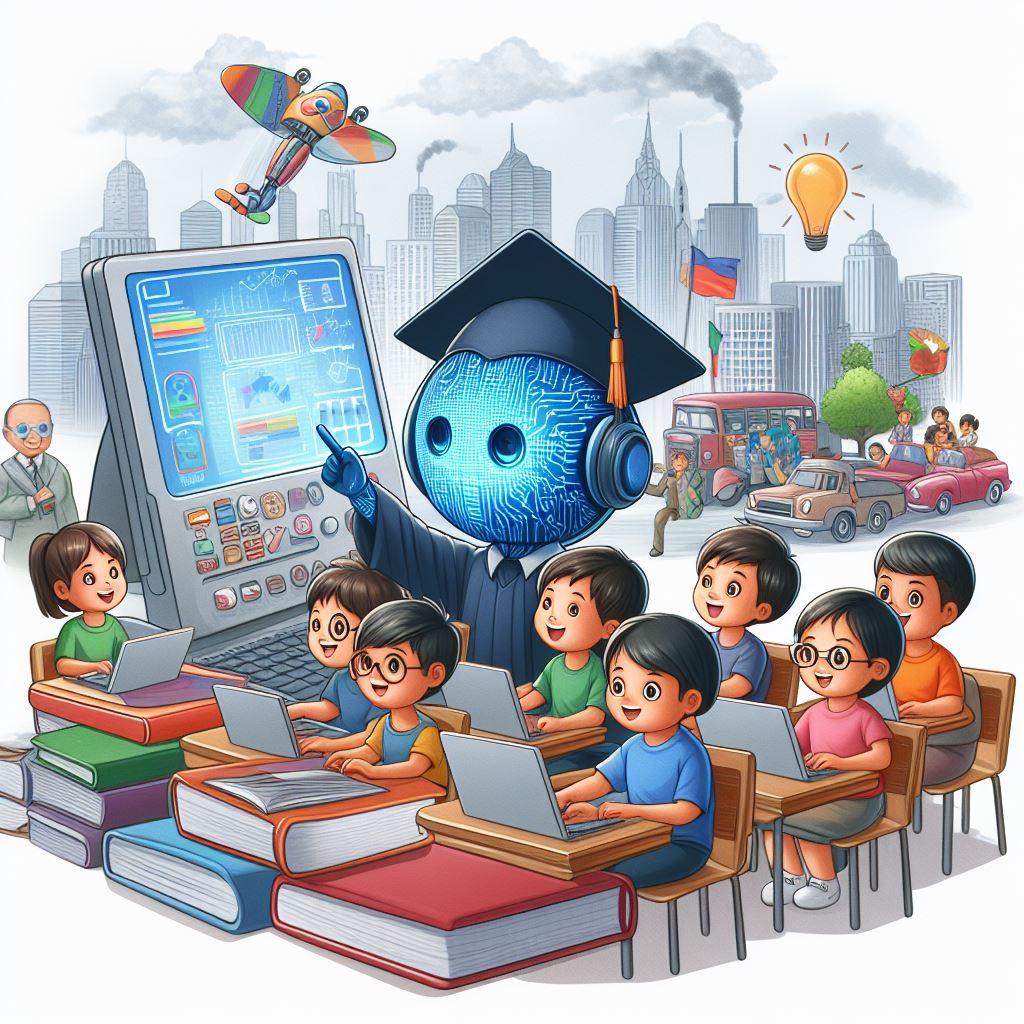
How AI empowers Students with Disabilities: Transforming Accessibility in Education
In recent years,Artificial Intelligence (AI) has emerged as a revolutionary force in education,particularly in advancing accessibility for students with disabilities. As digital learning becomes the norm, it’s crucial to leverage technology to create inclusive and equitable educational experiences. From personalized learning tools to real-time transcription and beyond, AI is empowering learners with physical, cognitive, and sensory disabilities to thrive academically and socially.
Understanding Accessibility in Education
Accessibility in education ensures that all learners, irrespective of their abilities, have equal access to learning resources and opportunities. Traditional educational models frequently enough unintentionally exclude students with disabilities due to a lack of adaptive resources. Fortunately, modern AI-driven solutions are bridging this gap.
- Physical disabilities: mobility limitations, motor skill challenges
- sensory disabilities: Visual or hearing impairments
- cognitive and learning disabilities: Dyslexia, ADHD, autism spectrum disorders
How AI Is Transforming Accessibility for Students with Disabilities
The integration of AI in education is opening new doors for students with various disabilities. Here are some of the most impactful ways AI is enhancing accessibility:
1. Automated Speech Recognition and Transcription
- Live Captioning: AI-powered tools like Google Live Captions and Microsoft Teams provide instant subtitles for lectures and classroom discussions, benefiting students with hearing impairments.
- Transcription Services: AI applications can transcribe spoken words into text in real time, making content accessible for students who prefer reading or need review materials.
2. Text-to-Speech and Speech-to-Text Solutions
- Text-to-Speech: Tools such as Natural Reader and Read&Write allow visually impaired or dyslexic students to listen to written content, easing reading challenges.
- Speech-to-Text: Dictation software powered by AI assists students with motor disabilities or dysgraphia in writng assignments by converting spoken words into editable text.
3. Personalized Learning with AI Tutors
- AI analyzes students’ learning styles and adapts lessons to fit their unique needs.
- Bright tutoring systems can provide additional practice and instant feedback, helping students fill knowledge gaps efficiently.
4. Visual Recognition and Interpretation
- Object and Text Recognition: Applications like Seeing AI can describe surroundings, read text, recognize faces, and interpret documents for visually impaired students.
5. Augmentative and Choice Communication (AAC)
- AI-driven communication devices convert typed or selected words into speech,supporting students with nonverbal or limited verbal communication abilities.
- Predictive text and symbol-to-speech features enhance interaction and academic participation.
6. Adaptive Testing and Assessment
- AI customizes assessments based on a student’s skill level, enabling a fairer evaluation process and helping reduce test anxiety.
Benefits of AI for Students with Disabilities
Adopting AI for accessibility in education offers an array of advantages, significantly improving the learning experience for students with disabilities.
- Enhanced Independence: Students gain more autonomy over their learning journey, reducing reliance on human support for everyday academic tasks.
- Increased Engagement: Interactive and adaptive AI tools make learning more enjoyable and meaningful.
- Greater Academic Success: Customized resources and instant feedback help close achievement gaps faster.
- Social Inclusion: Improved communication tools enable students to collaborate more easily with peers and instructors.
- Scalable Solutions: AI applications can be deployed across schools and districts,ensuring widespread access to assistive technologies.
Practical tips for Educators and Institutions
To maximize the benefits of AI in fostering inclusive education, schools and universities should consider the following strategies:
- Invest in Accessible Technology: Choose AI tools designed with universal design principles and robust accessibility features.
- Provide Professional Growth: Train educators to effectively use AI-powered assistive technologies and integrate them into classroom practice.
- Gather Student feedback: involve students with disabilities in decision-making to ensure solutions meet their actual needs.
- Collaborate Across Disciplines: Work with special education professionals, technologists, and disability advocates to develop comprehensive accessibility plans.
- Monitor AI Ethics and Privacy: Ensure that adopted AI tools are compliant with data privacy regulations and ethical standards regarding student details.
Real-life Case Studies: AI empowering Accessible Education
The positive impact of AI on accessible education is evident in numerous real-world examples:
Case Study 1: AI-powered Closed Captioning in Universities
The University of Arizona implemented automatic speech recognition systems in lecture halls, enabling real-time captioning for students who are deaf or hard of hearing. As a result, these students no longer relied on human note-takers and could engage more fully in class.
Case Study 2: Personalized Learning for Dyslexic Students
In the UK, several schools adopted AI tools such as Lexia and Kurzweil 3000 to support students with dyslexia. These tools provide text-to-speech, word prediction, and comprehension aids, leading to measurable improvements in reading proficiency and self-confidence.
Case Study 3: Augmentative Communication Devices in Special Education
A public school district in California introduced AI-based communication devices for nonverbal students. The outcome was transformative: students who previously struggled to participate in group work were able to communicate needs, ask questions, and build friendships.
First-Hand experience: Voices from Students and educators
“AI-powered reading tools gave me the confidence to keep up with my classmates and made learning a lot less stressful.”
“Our staff can now focus more on supporting students’ individual learning goals rather of spending hours on manual note-taking and adaptations.”
Overcoming Challenges and Looking Ahead
While AI has immense potential, there are hurdles to its widespread adoption:
- Cost and Accessibility: Not all schools have the resources for advanced AI technologies. Partnerships and funding are essential.
- Training: Educators need comprehensive training to implement AI effectively.
- Bias: It’s significant to ensure that AI algorithms do not perpetuate biases that could disadvantage students with disabilities.
Looking ahead, ongoing collaboration between technologists, educators, and advocates will be key to making AI-driven accessibility universal and equitable.
Conclusion: AI as an Equalizer in Education
AI is driving a paradigm shift in how education systems approach disability and accessibility. By incorporating intelligent technologies, schools and universities can break down barriers, foster inclusive learning environments, and empower every student to reach their full potential. As we embrace this era of smart, accessible education, our focus must remain on equity, collaboration, and the continuous advancement of technology to meet the diverse needs of all learners.