
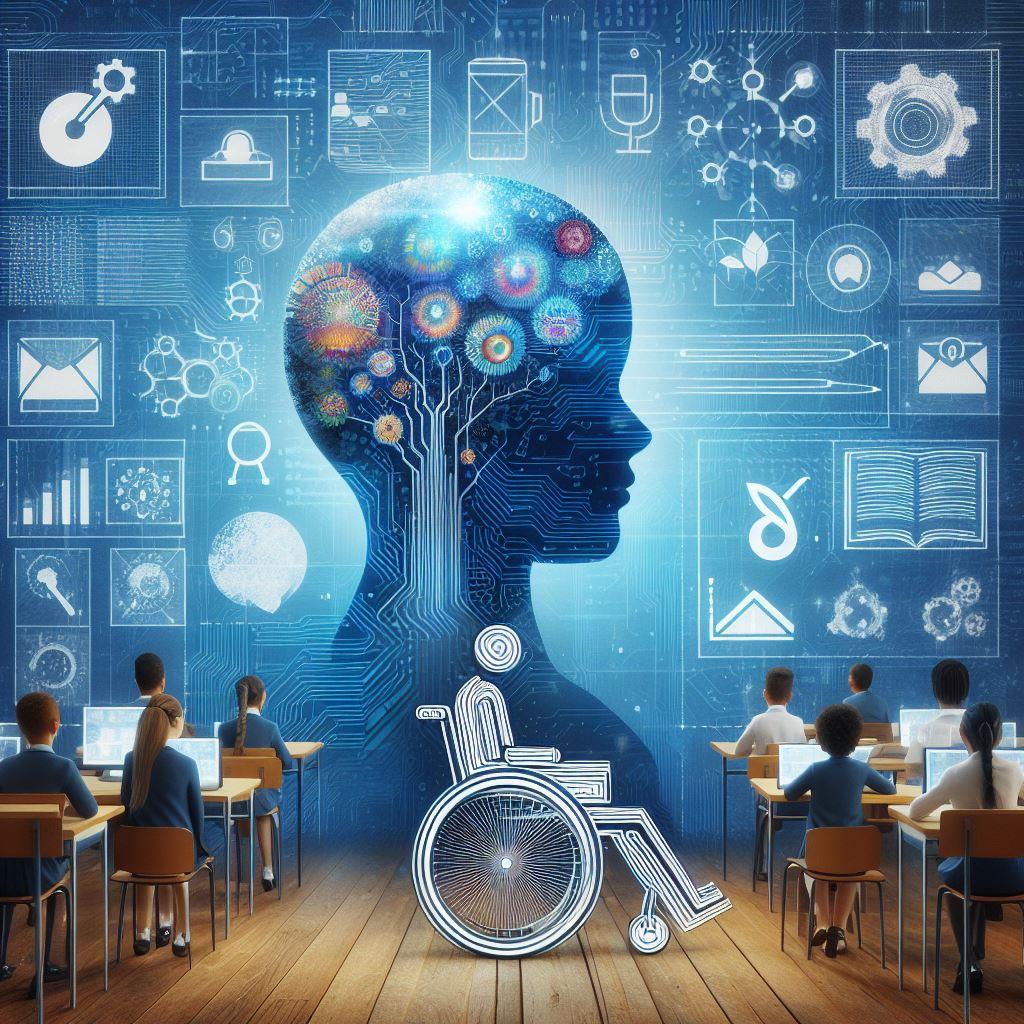
How AI Empowers students with Disabilities: Transforming Accessible Education
Today’s classrooms are more inclusive than ever, yet true accessibility in education remains a challenge for millions of students with disabilities. Fortunately, advances in artificial intelligence (AI) are breaking down barriers and creating dynamic, personalized learning experiences. AI in accessible education is not just a buzzword—it’s a reality that empowers students with disabilities every day, transforming how they engage, learn, and thrive.
Introduction: The Importance of Accessible Education
Educational equity means every student gets the resources and opportunities they need to succeed, irrespective of their abilities. for students with disabilities—including those with visual, auditory, cognitive, and mobility challenges—traditional learning environments can present meaningful obstacles. That’s where assistive technology and AI-driven tools come into play, helping students overcome hurdles and redefining what’s possible in the classroom.
What Is AI in Accessible Education?
Artificial intelligence uses machine learning, natural language processing, voice recognition, and data analytics to create smart tools that adapt to diverse learners. When applied to accessible education, AI personalizes content and teaching methods, making learning more inclusive and effective for students with special needs.
- Voice assistants read text aloud or convert speech to text, aiding visually or hearing-impaired students.
- Real-time captioning and subtitles support those with hearing impairments during lectures or video lessons.
- Text simplification tools make complex readings more accessible for those with learning disabilities like dyslexia.
Key Benefits: How AI Empowers Students with Disabilities
The impact of AI-powered accessible education stretches far beyond the classroom. Here are some of the top benefits:
1. Personalized Learning Paths
- AI algorithms adapt lessons to each student’s pace and comprehension level.
- Real-time feedback helps educators and learners address challenges as they occur.
- Customizable content caters to individual sensory or cognitive needs.
2. Breaking Down Dialog Barriers
- Real-time speech-to-text supports students who are deaf or hard of hearing.
- Text-to-speech (TTS) technology assists those with visual impairments or reading disorders.
- AI chatbots facilitate autonomous learning and instant Q&A sessions.
3. Enhancing Independence and Confidence
- Students with disabilities can access materials and complete assignments independently.
- AI-powered note-taking and organization tools reduce reliance on classroom assistants.
- Immersive technologies like AI-driven virtual reality promote participation in simulated field trips and labs.
Real-World Case Studies: AI Transforming accessible Education
The power of AI in inclusive education is best demonstrated through practical, real-world applications.Here are a few inspiring examples:
Microsoft Seeing AI:
This free app uses computer vision to narrate the visual world for the visually impaired. By scanning barcodes, reading documents, and describing objects or people, Seeing AI helps students navigate school life more independently.
Voiceitt:
Voiceitt leverages AI to recognise non-standard speech patterns, enabling students with speech impairments to communicate using digital devices. Teachers appreciate how this empowers nonverbal students to participate more actively in class discussions.
AI-Based Captioning Tools:
Platforms like Curtis AI and Google’s Live Transcribe provide real-time captions, making lectures and group activities accessible for hearing-impaired students or those who benefit from visual cues.
First-Hand Experiences: stories from the Classroom
“My daughter has dyslexia, and reading assignments were a struggle. With AI-powered reading apps, she now listens to her homework, and her confidence has soared. She’s more engaged and independent than ever!”
– Parent of a high school student
“As a university lecturer, real-time AI captioning has made my classes accessible to all. There’s less stigma, and participation from hearing-impaired students has dramatically increased.”
– Collage Professor
Challenges and Ethical Considerations
While the benefits of AI in accessible education are clear, challenges remain:
- Data privacy: Sensitive student details must be protected with robust security measures.
- Digital divide: Not all students have equal access to AI-powered devices or high-speed internet.
- Bias in AI: Algorithms should be obvious and regularly updated to prevent discrimination or errors in supporting diverse learners.
Addressing these hurdles requires collaboration among educators, technologists, policymakers, and disability advocates.
Practical Tips for Implementing AI in Accessible Learning
Ready to bring the power of AI to accessible education? Here are steps you can take:
- Start Small: Pilot a single AI tool like real-time captioning or speech-to-text, then gather feedback and expand.
- Engage Stakeholders: Involve students, parents, and disability specialists in the decision-making process.
- Provide Training: Ensure both students and teachers know how to use new technologies effectively.
- Prioritize Privacy: Select platforms that comply with privacy standards and provide data security for sensitive information.
- Evaluate and Iterate: Regularly assess the effectiveness of AI tools and adapt them to the evolving needs of all learners.
Conclusion: The Future of Inclusive Education with AI
As AI technology continues to evolve, so too does its capacity to empower students with disabilities.By embracing AI-driven accessible education, schools and educators are not only complying with inclusivity laws—they are unlocking the full potential of every student. The future of learning is bright, accessible, and more personalized than ever before.
Whether you’re a parent, teacher, administrator, or advocate, now is the time to explore and champion the transformative power of AI in education. Let’s make learning more accessible, equitable, and inspiring for all!