
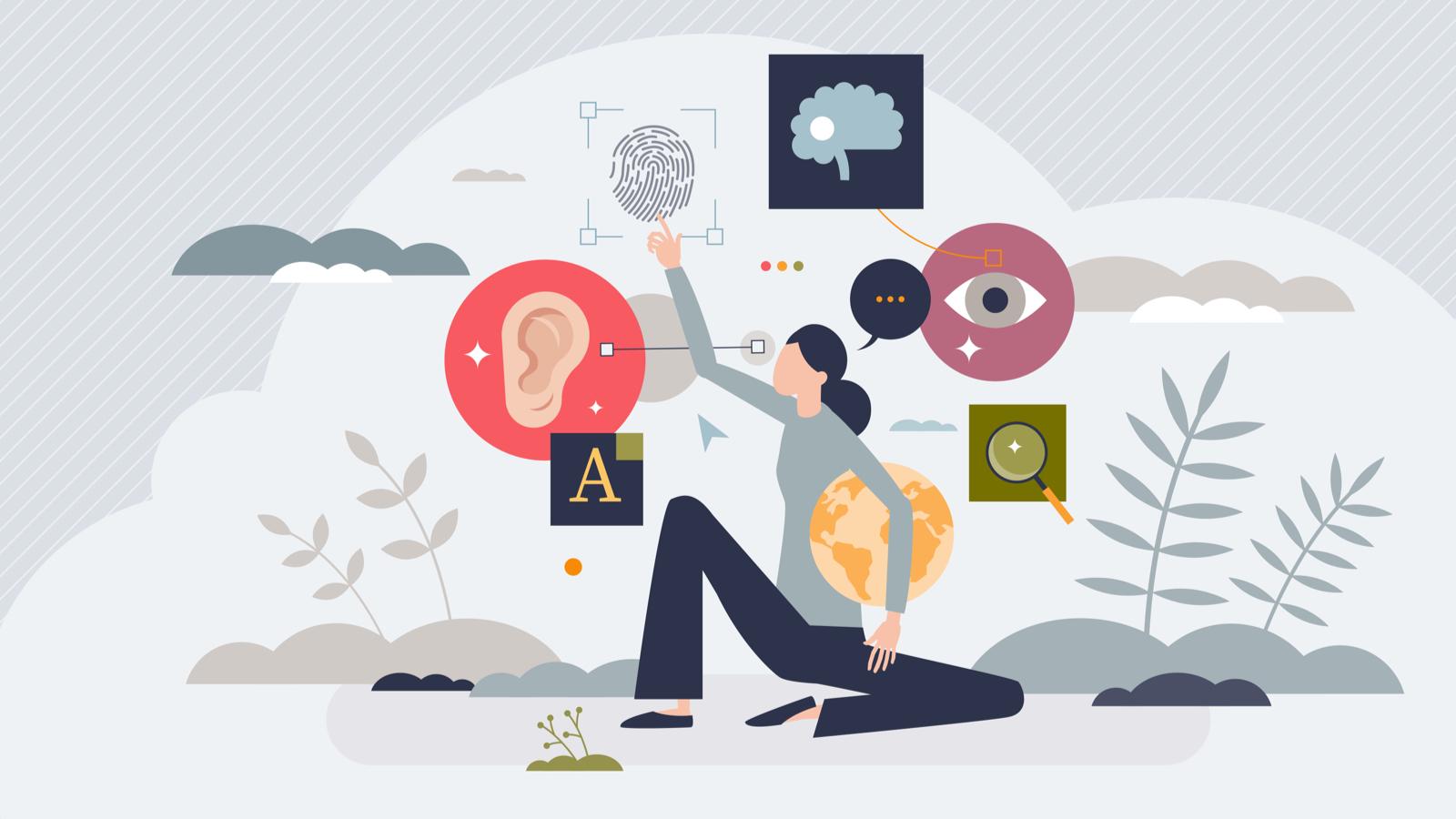
How AI Empowers students with Disabilities: Transforming Education Accessibility
Introduction: AI for Inclusive Education
accessibility in education is a right, not a privilege. Yet for many students with disabilities, traditional learning environments pose significant obstacles—from inaccessible materials to unadapted curricula. Fortunately, advances in Artificial Intelligence (AI) are revolutionizing how students with disabilities access learning. By providing personalized support, adaptable content, and intelligent tools, AI in education accessibility is helping create inclusive classrooms where every learner thrives.
In this article,we’ll explore how AI empowers students with disabilities,review real-world case studies,uncover the benefits,and share practical tips for educators and schools seeking to leverage AI solutions.
AI in Education Accessibility: Game-Changing technologies
Today, AI-powered educational tools and platforms offer tailored assistance for learners with visual, auditory, cognitive, and motor challenges. Here are some transformative applications reshaping the educational landscape:
- Speech-to-Text and Text-to-Speech (TTS): AI-driven TTS systems convert written materials into audio, aiding students with visual impairments or reading difficulties.Speech-to-text enables students with limited mobility to communicate and complete assignments using voice commands.
- Automated Captioning and Transcription: Real-time AI-generated captions and transcriptions ensure accessible online lectures and videos for deaf and hard-of-hearing students.
- Intelligent Tutoring Systems: Adaptive learning platforms analyze students’ interactions and provide personalized feedback, scaffolding learning for those who require additional support.
- Visual Recognition and OCR: AI-based image recognition and Optical Character Recognition (OCR) transform printed text or classroom board notes into digital formats compatible with assistive technologies.
- Predictive Analytics: AI identifies patterns in students’ progress, helping educators intervene early and customize strategies for learners with special needs.
these technologies, combined with web and software accessibility standards, pave the way for equitable AI-driven accessible learning experiences.
Benefits: How AI Empowers Students with Disabilities
the integration of AI in assistive education yields powerful benefits for students with disabilities, educators, and schools:
- Personalized Learning: AI customizes content, pacing, and delivery to meet each student’s unique needs, ensuring that learning is neither too fast nor too slow.
- Greater Independence: With adaptive tools, students are empowered to engage with educational content independently, reducing reliance on human support.
- Improved Academic Outcomes: AI systems can identify learning gaps and recommend targeted interventions, supporting improved educational achievements.
- Worldwide Design: AI-driven solutions benefit all students by applying principles of universal design for learning, fostering inclusive classrooms.
- Real-Time Feedback and Support: Intelligent platforms offer instant feedback, helping students self-correct and grow in real time.
- Reduced Barriers to Communication: AI-powered communication aids level the playing field for students with speech, hearing, or motor disabilities.
Case Studies: AI Transforming Accessibility in Schools
The practical impact of AI in accessible education is best seen through real-world success stories. Let’s explore three inspiring examples:
1. AI in Visual Impairment: The Seeing AI App
Microsoft’s Seeing AI app uses computer vision technology to narrate the world for visually impaired students. From reading textbooks to recognizing faces in the classroom, Seeing AI offers independence and accessibility—making educational spaces more inclusive.
2. Real-Time Captioning for Deaf Students
At the University of Washington, real-time AI captioning is used during lectures. AI transcribes spoken words into text instantly,ensuring students who are deaf or hard of hearing can fully participate in discussions and follow class content without barriers.
3. AI Tutoring for Cognitive Disabilities
Platforms like smart Sparrow leverage AI to detect where students struggle and adapt materials accordingly. Teachers report that students with learning disabilities experience improved comprehension and engagement,thanks to personalized support only possible with AI.
Firsthand Experiences: Voices from the Classroom
Hearing directly from students and educators brings understanding of AI-powered accessible education to life:
“Using AI-based speech recognition, I can dictate notes and essays without typing—something I never thought possible due to my cerebral palsy. This technology has made me feel more independent and involved in class.” — Mark T., High School Student
“Our AI-supported reading platform adapts content for each student’s reading level. I’ve seen remarkable growth in students with dyslexia—they’re more confident and participatory.” — Ms.Carla R., Special education teacher
Practical Tips: Integrating AI for Accessibility in Education
Schools and educators can harness the benefits of AI accessibility tools for students by following these actionable strategies:
- Research and Select Reliable Solutions: Choose AI technologies proven to improve accessibility, such as speech-to-text, adaptive learning apps, and screen readers.
- train Teachers and Support Staff: Provide professional growth to help staff use AI tools effectively and address any technical challenges.
- Collaborate with Students and Families: Engage students and their caregivers in choosing and customizing technologies to meet their needs and preferences.
- Ensure Privacy and Security: Evaluate AI platforms for robust data protection, especially when handling sensitive data about students.
- Monitor and Adjust: Continuously review the impact of AI tools, seeking student feedback and making adjustments for optimal accessibility and engagement.
- Promote Inclusive Design: Advocate for universal design principles in all tech purchases,benefiting not only students with disabilities but the entire school community.
Leveraging AI in education is a collaborative and ongoing journey,but the results—enhanced accessibility,equity,and student success—are worth the investment.
Challenges and Considerations
While AI accessibility in education holds tremendous promise, it is indeed vital to address potential challenges:
- Digital Divide: Ensure all students have access to the necessary devices and internet connectivity.
- Bias in AI Algorithms: Choose platforms clear about how data is trained and used to avoid reinforcing stereotypes or exclusions.
- Cost and Resource Allocation: Budget for procurement, training, and ongoing support when integrating AI into school programs.
- Individualized approaches: Remember that disability is diverse; AI solutions must be adaptable and customizable.
Tackling these challenges proactively strengthens the positive impact of AI in accessible learning environments.
Conclusion: Shaping the Future of Inclusive Education with AI
As we’ve seen, AI empowers students with disabilities by breaking down barriers and opening new pathways to knowledge, participation, and self-confidence. the rise of AI accessibility in schools is not just a technological leap—it’s a promise for a more equitable educational future. Whether through personalized learning, adaptive communication, or real-time support, AI is the catalyst for positive change in classrooms.
By embracing AI in education accessibility, educators, administrators, and families can ensure every learner receives the tools they need to succeed. The journey is ongoing, but the destination—a world where education is truly accessible to all—is within reach.
Ready to explore AI for your classroom? Start by reviewing available solutions and championing inclusive design,so every student,regardless of ability,can thrive.