
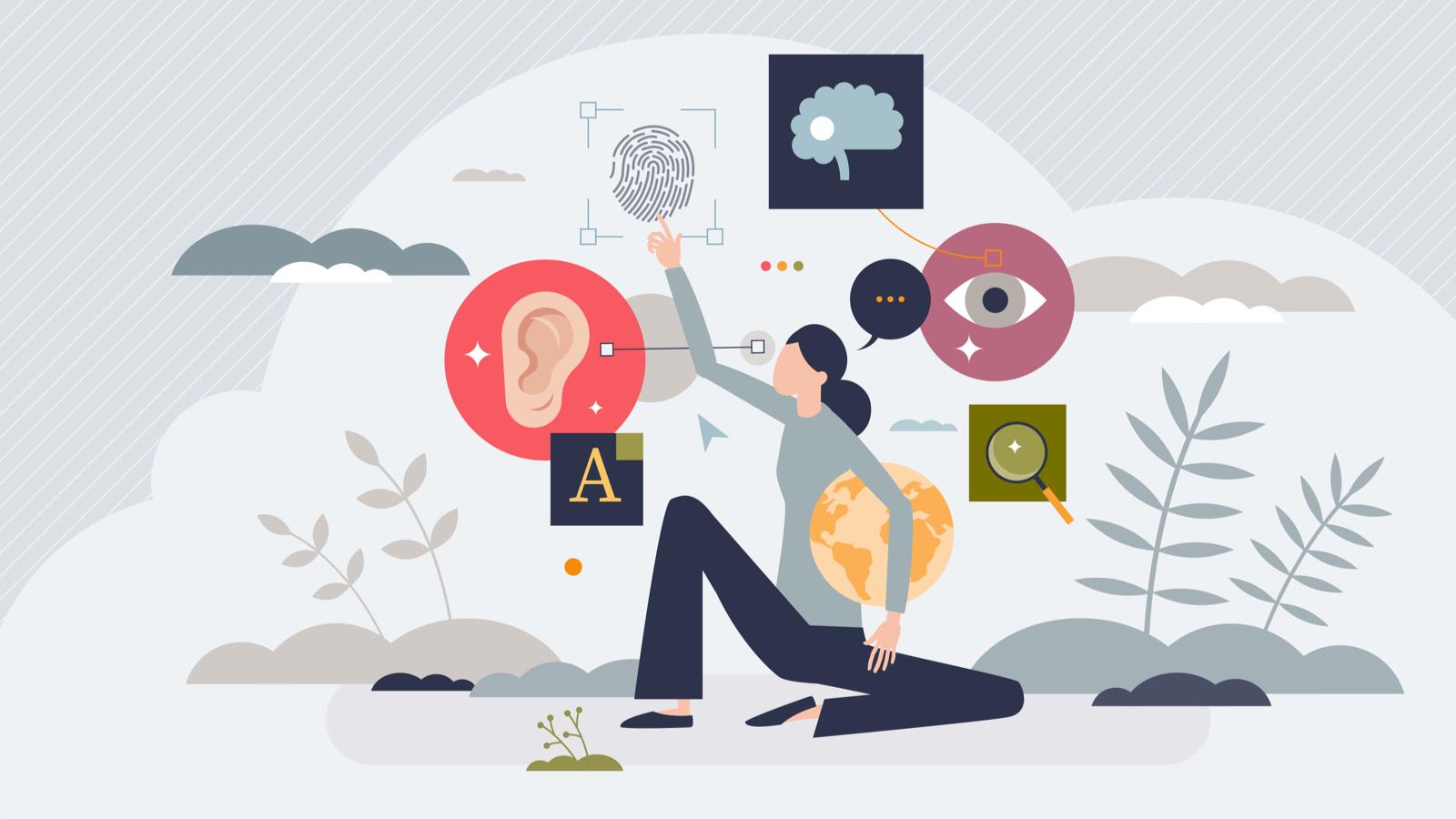
How AI empowers Students with Disabilities: Transforming Education and Accessibility
Introduction: unlocking Inclusive Education through AI
Education is a fundamental right, but for millions of students with disabilities, traditional classrooms can present barriers. Today,artificial intelligence (AI) in education is redefining what it means to be inclusive,breaking down barriers and offering new opportunities for students with diverse needs. From personalized learning tools to real-time dialog aids,AI empowers students with disabilities,making learning experiences more accessible,engaging,and effective than ever before.
The Role of AI in Enhancing Educational Accessibility
AI-powered education technology is revolutionizing how students with disabilities engage with learning materials. Accessibility is not just about physical spaces—it’s about data, interaction, and participation. Below are some fundamental ways AI fosters accessibility in education:
- Personalized Learning Paths: AI algorithms analyze student progress and learning styles, customizing lesson plans to meet individual needs.
- Speech Recognition: Voice-to-text apps allow students with mobility or visual impairments to interact with digital content, complete assignments, and participate in discussions.
- Real-time Translation and Captioning: AI provides live transcription and translation, making both spoken and visual content accessible for students with hearing impairments and those who use different languages.
- Adaptive Testing: Tests and quizzes can be adapted in real-time, ensuring fair assessment for students with cognitive or learning disabilities.
- Predictive Analytics: AI uncovers patterns to flag learning difficulties early,enabling educators to intervene proactively.
Key Benefits of AI for Students with Disabilities
Integrating AI into educational environments brings tangible improvements to students with disabilities, fostering an inclusive learning experience. Here are the top benefits:
- increased Independence: Tools powered by AI help students perform tasks independently, reducing reliance on peers or educators for assistance.
- Real-time Feedback: Immediate feedback on assignments, pronunciation, or comprehension boosts confidence and supports continuous learning.
- Seamless Communication: AI-enabled communication devices,such as speech-generating devices or eye-tracking systems,grant non-verbal students a stronger voice.
- Greater Engagement: Engaging, AI-driven learning materials—like interactive games or simulations—keep learners motivated and attentive.
- Personalized Accessibility Features: AI tailors font sizes, color contrasts, and reading levels to individual preferences, ensuring comfort and accessibility.
AI Tools and Solutions for Students with Disabilities
the educational technology landscape offers a growing array of AI-powered accessibility tools designed to support students with specific learning needs. Some prominent examples include:
- Microsoft Immersive Reader: Assists with dyslexia and dysgraphia by reading text aloud,breaking words into syllables,and offering translations.
- Seeing AI: Helps visually impaired students recognize text, currency, and scenes through audio descriptions.
- Google Live Transcribe: Turns spoken words into real-time text for deaf or hard-of-hearing students.
- Otter.ai: Offers advanced automatic note-taking and transcription for class lectures and meetings.
- JAWS (job Access With Speech): A sophisticated screen reader for blind or visually impaired learners.
These tools not only facilitate accessibility but also foster self-reliance and empower students to reach their academic potential.
Real-World Case Studies: AI’s Impact in Action
To illustrate the transformative power of AI in education for students with disabilities, let’s highlight some compelling case studies:
Case Study 1: Empowering Students with Dyslexia
In a U.S. elementary school, teachers adopted the Microsoft Immersive Reader for reading comprehension classes. Students with dyslexia reported improved reading speeds, enhanced comprehension, and greater enthusiasm for learning.Teachers noted a marked uptick in participation and self-confidence among these learners.
Case Study 2: Breaking Barriers for Deaf Students
A community college in Europe leveraged AI-generated live captions for all lectures, drastically improving access for deaf students. Feedback surveys showed a 30% increase in class engagement and higher retention rates among the disabled students enrolled.
Case Study 3: Visually Impaired Students Navigating STEM
A high school integrated Seeing AI to aid visually impaired students in science labs. The tool described written materials and chemical labels,ensuring safety and independence during experiments.
Practical Tips for Educators and Schools
Implementing AI solutions for students with disabilities requires careful planning and consideration to maximize impact and ensure inclusivity. Here’s how educators and schools can make the most of these opportunities:
- Assess Individual Needs: Collaborate with students, parents, and specialists to select AI tools aligned with specific learning needs and preferences.
- Provide Training: Offer dedicated training for educators and students on how to use AI technology effectively.
- Start Small,Iterate: Begin by piloting AI tools in a limited setting,measuring outcomes and gathering feedback before broader adoption.
- Maintain Data Privacy: Ensure that any deployed AI system complies with privacy regulations to safeguard sensitive student data.
- Stay Updated: The field of AI and education is rapidly evolving. Regularly review the latest research and advancements to adopt the most current and effective tools.
First-Hand Experience: Student and Teacher Voices
Real-world testimonials illuminate how AI’s integration dramatically shifts the educational landscape for students with disabilities:
“Using an AI speech-to-text app changed my college experience. For the first time, I could take lecture notes independently and keep up with my classmates.” — Jacob L., University student with cerebral palsy
“Live captioning tools empowered my hearing-impaired students to participate fully and confidently in class discussions. It’s creating a truly inclusive surroundings.” — Susan W., Secondary school teacher
challenges and Future Opportunities
While the benefits are enormous, some challenges remain:
- Affordability: Not all schools have the resources to implement advanced AI solutions, potentially widening the digital divide.
- Technological Literacy: Both educators and students require ongoing training to leverage AI effectively.
- Bias in AI: Developers need to ensure that AI tools serve all students equitably, without mirroring societal biases.
Despite these hurdles, the outlook is inspiring. Advancements in AI technology, coupled with increased advocacy for digital accessibility, signal a future where every student, nonetheless of ability, thrives in the classroom.
Conclusion: Shaping a More Accessible Tomorrow with AI
The integration of AI in education for students with disabilities represents a monumental shift towards true inclusion, accessibility, and empowerment. By breaking down barriers and offering tailored support, AI is not just enhancing academic outcomes—it’s transforming lives. For students, parents, educators, and policymakers, embracing smart, accessible technology is the key to shaping a more inclusive, equitable, and promising future for all.
As technology continues to evolve,so too will the opportunities for students of all abilities to thrive—proving that with the right tools,learning truly has no limits.