
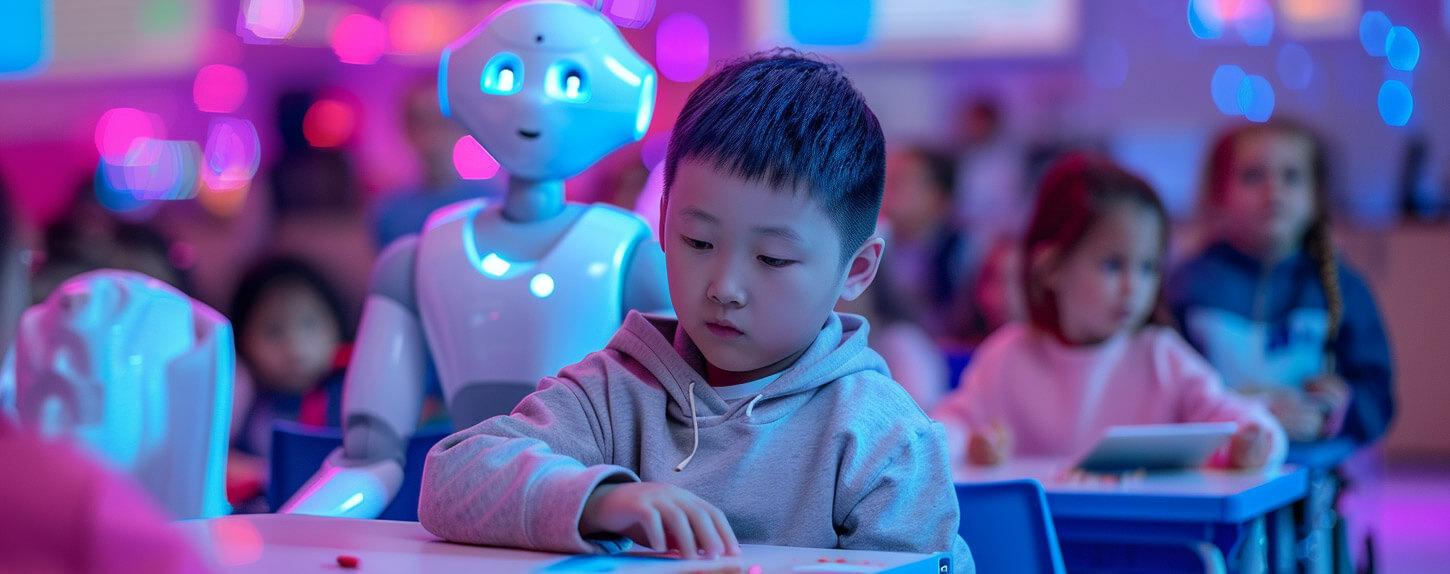
How AI Empowers Students with Disabilities: Transforming Education Through Inclusive Technology
The rise of artificial intelligence in education is not just a technological revolution—it’s a beacon of hope for millions of students with disabilities around the world. AI-powered inclusive technology is rapidly breaking down barriers, personalizing learning experiences, and fostering a more equitable education system.In this comprehensive guide, we’ll explore how AI is empowering students with disabilities, the practical tools available, real-world case studies, and actionable tips for educators and families. Whether you’re a teacher, parent, or advocate, this article will illuminate the transformative potential of AI in special education.
The Need for Inclusive Education Technology
According to the World Health Institution, over one billion people globally live with some form of disability, and many are of school age. Historically, educational systems have struggled to accommodate diverse learning needs, resulting in lost potential and inequity. Inclusive technology for students with disabilities is essential for:
- Providing equal access to curriculum and educational resources.
- Offering personalized learning paths adapted to individual strengths and challenges.
- Encouraging independence and self-advocacy in students.
- Bridging communication gaps between students, teachers, and caregivers.
How AI Empowers Students with Disabilities
AI-driven inclusive technology is reshaping the educational landscape for students with disabilities in multiple impactful ways:
1. Personalized Learning and Adaptive content
- Adaptive learning platforms: Tools like DreamBox and Smart Sparrow analyze students’ interactions, adjusting content and pacing to suit learners’ unique needs, whether they have dyslexia, ADHD, or autism spectrum disorders.
- Customizable interfaces: AI can adjust text size, color contrast, and font to assist students with visual impairments, ensuring learning materials are accessible to everyone.
2. Speech Recognition and Text-to-Speech Technology
- Speech-to-text tools: Solutions like Dragon NaturallySpeaking enable students with motor challenges or dysgraphia to convert spoken words into written text, reducing barriers to written assignments.
- Text-to-speech: Programs such as Read&Write and NaturalReader help students with visual impairments or dyslexia comprehend text-based details with ease.
3.Real-Time Language Translation and Communication
- AI translators: Tools like Google Translate offer real-time translation, supporting multilingual students and those with hearing impairments through captioning.
- Augmentative and choice communication (AAC): Advanced AI applications understand user intent, producing text or speech output for non-verbal students.
4. Image Recognition and Object Detection
- Seeing AI and Be my Eyes: These apps use computer vision to describe people, objects, or written text, empowering students with visual impairments to navigate classrooms more independently.
Benefits of AI for Students with Disabilities
Integrating AI into the classroom offers numerous advantages:
- Increased Accessibility: AI tools ensure that learning materials are available in multiple formats (audio, visual, tactile).
- Boosted Confidence: Tailored feedback and support foster self-esteem and active participation.
- Enhanced Independence: Students can manage tasks and communicate more effectively without constant assistance.
- Improved Academic Outcomes: Personalized support helps students master core concepts at their own pace.
- Greater Inclusivity: AI encourages a collaborative classroom, valuing diversity of abilities.
Case Studies: AI Transforming Special Education
Case Study 1: AI-Powered Learning for Dyslexic Students
At a primary school in California, educators adopted an AI-enabled reading application that automatically adjusted reading passages and provided real-time phonetic assistance.Within six months, students with dyslexia demonstrated a 30% enhancement in reading comprehension, reducing frustration and boosting engagement.
Case Study 2: Smart Classrooms for Students with Autism
in the UK, a pilot project introduced AI-driven sensory management systems that monitored classroom noise and lighting.The system automatically created a calming environment tailored to each student’s sensory needs, resulting in higher focus and fewer behavioral incidents among autistic learners.
Case Study 3: Vision Accessibility Through AI
A university adopted the Be My Eyes app across campus. Blind students leveraged real-time object recognition and navigation assistance,which allowed them to participate in lab sessions,group projects,and campus events alongside their peers.
Practical Tips for Implementing AI in Special Education
Integrating AI in the classroom for students with disabilities requires thoughtful planning. Here are actionable steps for schools and educators:
- Collaborate: Engage with special education professionals, families, and students to identify specific needs.
- Pilot and Evaluate: Start with small-scale pilots, gathering feedback to assess what works best.
- Prioritize Accessibility: Ensure chosen AI tools comply with established accessibility standards (like WCAG).
- Invest in Training: Provide ongoing professional advancement for educators on using AI-driven inclusive technology.
- Promote Digital literacy: Teach students how to harness AI tools safely and ethically.
- Monitor Privacy and Security: Safeguard student data and ensure responsible AI use.
First-Hand Experience: A Student’s Viewpoint
“As a high schooler with cerebral palsy, typing was always my biggest hurdle. using AI-powered speech-to-text software gave me the confidence to participate in class discussions and complete assignments independently. I finally feel like my voice matters.”
– Jamie, Student Advocate for Inclusive Tech
Embracing the Future: the Ongoing Evolution of Inclusive Technology
Inclusive education technology with AI is constantly evolving.New research in machine learning, natural language processing, and virtual reality will continue to expand the ways we support diverse learners. Looking ahead, schools around the world must remain committed to leveraging these advancements for the benefit of all students—no matter their ability level.
Conclusion
AI empowers students with disabilities by transforming educational challenges into opportunities for growth and independence. Through adaptive learning, assistive communication, and enhanced accessibility, AI is reshaping special education for the better. By investing in and embracing inclusive technology, educators and families can create a future where every learner thrives.
Embrace the promise of AI in education—as when we empower students with disabilities, we enrich the classroom for everyone.