
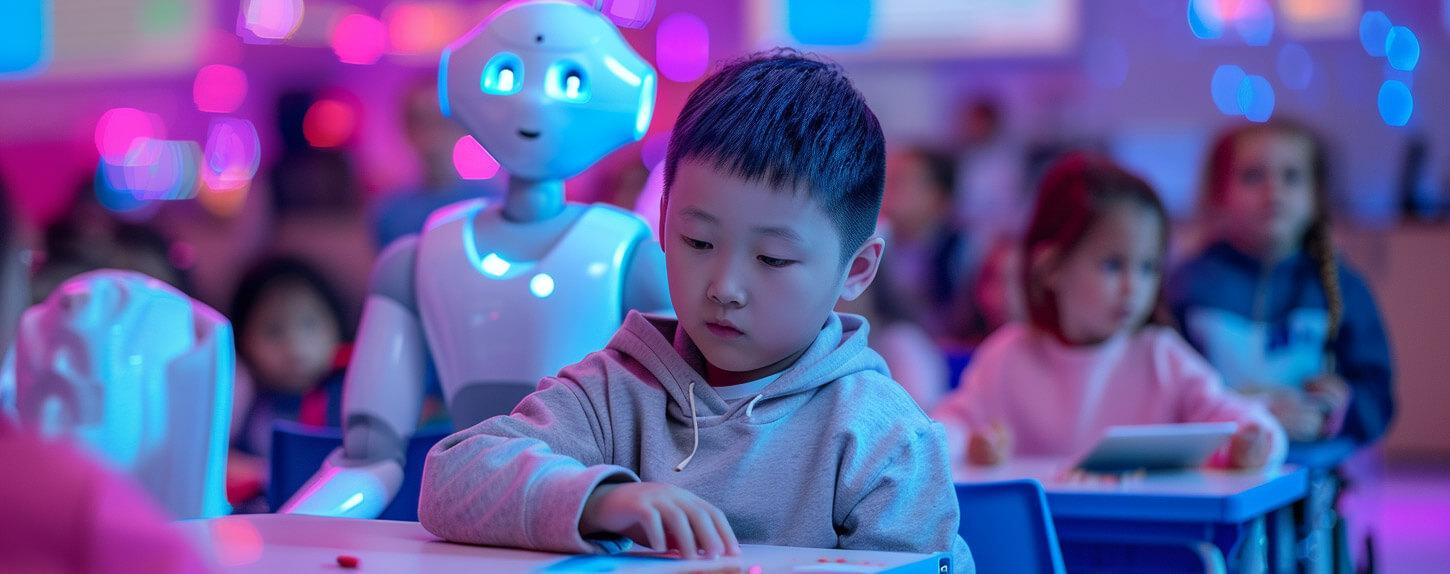
How AI empowers Students with Disabilities: Transforming Education Through innovative Support
Discover how artificial intelligence (AI) is revolutionizing education for students with disabilities.Learn about innovative AI-driven tools,case studies,and actionable tips for educators and parents to enhance learning accessibility and empowerment.
How AI Empowers Students with Disabilities: Transforming Education Through Innovative Support
in today’s rapidly evolving digital age, the integration of artificial intelligence (AI) in education holds unprecedented promise for enhancing learning accessibility. For students with disabilities, AI-powered solutions are not just tools—they are paths to independence, confidence, and success. This article explores how AI empowers students with disabilities, showcasing transformative technologies, practical benefits, real-world case studies, and actionable insights for educators, parents, and learners.
Understanding the Power of AI in Special Education
Artificial intelligence encompasses advanced algorithms and machine learning systems that analyze, interpret, and respond to human needs. In the context of special education, AI opens doors to personalized learning experiences, adaptive technologies, and interactive aids designed to overcome educational barriers faced by students with physical, cognitive, sensory, or emotional challenges.
Why AI Matters for Students with Disabilities
- Personalization: AI tailors content, pacing, and feedback to suit individual learning styles and needs.
- Accessibility: It transforms standard materials into formats accessible to all, including text-to-speech, speech-to-text, braille, and sign language translations.
- Independence: Students gain autonomy over their education, building confidence and self-esteem.
- Real-time Support: AI provides instant assistance, enabling immediate clarification and guidance without waiting for human intervention.
Key Benefits: How AI Empowers Students with Disabilities
Incorporating AI in education for students with disabilities unlocks numerous advantages:
- Adaptive Learning Platforms: AI-powered systems assess individual progress and adapt content accordingly, ensuring every student learns at their optimal pace.
- Assistive Communication Tools: Speech recognition, voice assistants, and language processing applications help students with speech or hearing impairments communicate and participate in classroom discussions.
- Visual and Auditory Aids: AI-enhanced technologies can convert written content to audio (and vice versa), enable live captioning, and interpret images for visually impaired learners.
- Cognitive and Emotional Support: AI can detect signs of stress, confusion, or emotional distress, prompting interventions or offering motivational cues to keep students engaged.
- Improved Assessment and Feedback: Automated grading and analytics help educators identify strengths and areas for betterment, supporting a more targeted approach to teaching.
Popular AI-Powered Tools Supporting Students with Disabilities
- Microsoft Immersive Reader: Provides text-to-speech, translation, and grammar support for dyslexic and visually impaired students.
- GoogleS Live Transcribe: Offers real-time, automatic speech recognition for students with hearing disabilities.
- JAWS (Job Access With Speech): A screen reader enabling visually impaired users to access digital content.
- Voiceitt: Translates non-standard speech for people with speech disabilities into clear, digital text or audio output.
- Seeing AI: Developed by Microsoft,this app narrates the world for people who are blind or have low vision.
Real-World Case Studies: AI Making a Difference
Case Study 1: Personalized Learning for Autism Spectrum Disorder (ASD)
In a California middle school, the implementation of AI-driven adaptive learning platforms allowed students with ASD to interact with curriculum tailored to their unique learning pace and sensory preferences. The result was a 35% improvement in academic performance and a critically important reduction in classroom anxiety, highlighting AI’s role in personalized education for students with autism.
Case Study 2: Voice AI transforming Communication
A Canadian high school integrated speech recognition technology for a group of students with speech impairments. Using Voiceitt and Google’s Live Transcribe,students participated more fully in classroom dialogues,with a reported 50% increase in verbal contributions and self-esteem.
Case Study 3: Enhanced Accessibility in Higher Education
At a UK university, AI-powered note-taking and real-time captioning tools enabled hearing-impaired students to keep up with lectures effortlessly. Surveys revealed that 92% of these students felt more included and engaged, emphasizing how innovative AI support in higher education can level the academic playing field.
First-Hand Experiences: Voices from the Community
“Using a screen reader powered by AI changed the way I learn. I no longer have to rely entirely on others to read my textbooks—it gives me a sense of freedom.”
– Sarah, university student with visual impairment
“Automatic captioning apps help me engage in class discussions without feeling left out. It feels like the world is more open to me now.”
– James, high school student with hearing loss
Practical Tips: Implementing AI Support in the Classroom
Empowering students with disabilities through AI requires thoughtful planning and ongoing collaboration. Here are some actionable tips for teachers, parents, and school administrators:
- Assess Individual Needs: Work with special educators, therapists, and students to identify the most beneficial AI-powered tools.
- Provide Training: Ensure that both students and teachers receive adequate training in using new technologies for maximum benefit.
- Foster an Inclusive Culture: Integrate AI solutions as part of broader inclusion initiatives to create a supportive learning surroundings.
- Encourage Regular Feedback: Continuously gather input from students and educators to refine AI tool implementation and address emerging needs.
- Stay Updated: technology evolves rapidly—stay informed about the latest advances in AI for special education to support continuous improvement.
Overcoming Challenges in AI-Powered Accessibility
While the benefits are substantial,challenges persist in the widespread adoption of AI solutions for students with disabilities. These include ensuring data privacy, preventing algorithmic bias, and bridging the digital divide. Schools, policymakers, and developers must work together to prioritize inclusivity, security, and equal access.
Addressing the Digital Divide
- Resource Allocation: advocate for funding and support to bring assistive AI technologies to under-resourced schools and communities.
- Ethical AI: Choose tools from reputable developers committed to transparency, privacy, and accessibility standards.
- universal Design: Promote the adoption of universally designed learning materials that can be easily adapted for diverse learners.
Conclusion: A Future of Empowerment and Inclusion
AI is revolutionizing the way students with disabilities access education, learn, and engage with the world. By providing personalized, accessible, and innovative support, artificial intelligence empowers these students to reach their full potential and participate more fully in school and society. As we continue to advance educational technology, collective efforts from educators, families, and developers are essential to ensure every learner feels supported, valued, and empowered.
Whether you’re an educator seeking new resources, a parent exploring options for your child, or a student looking for greater independence, AI-driven educational support is transforming possibilities. Let’s embrace this future, advocate for inclusive technology, and champion a more equitable educational landscape for all.