
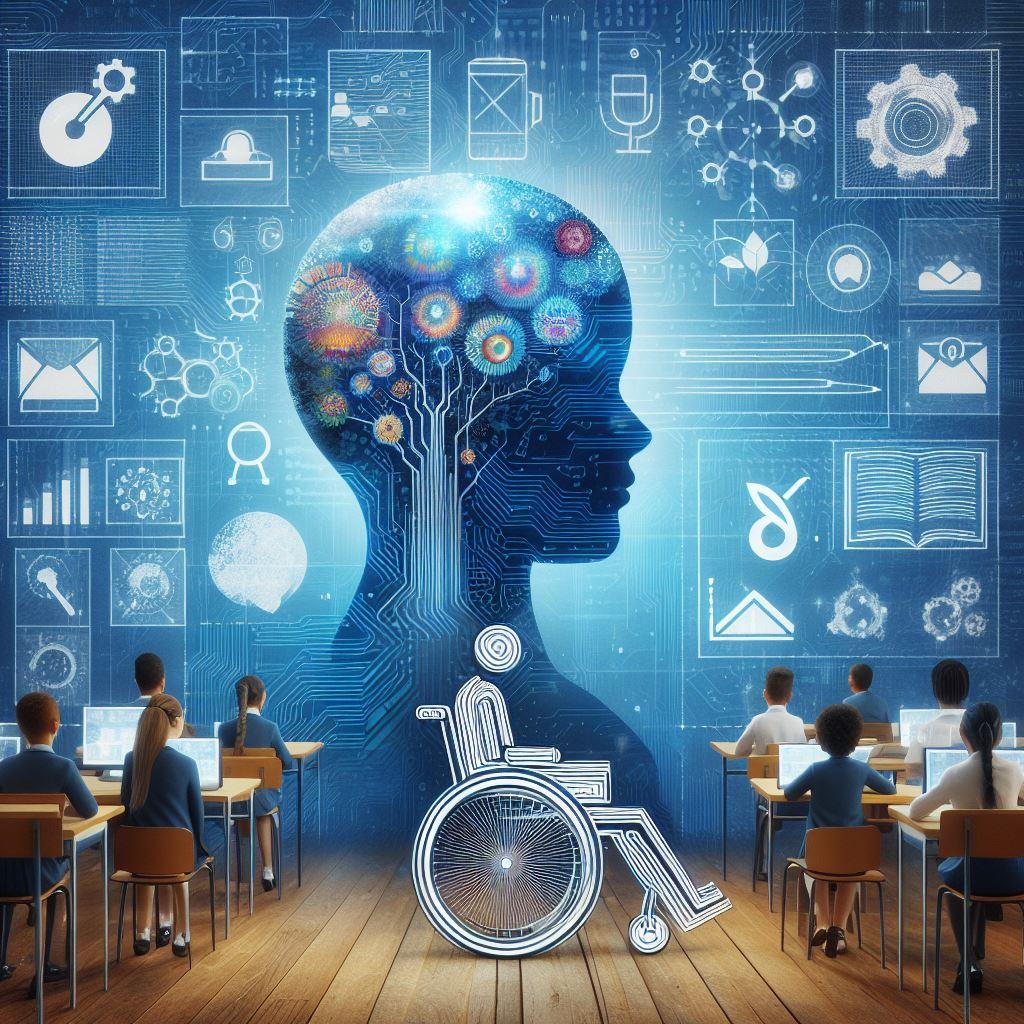
How AI Empowers Students with Disabilities: Transforming Education Through Technology
In today’s fast-evolving digital world,education is experiencing a profound transformation—one that is especially empowering for students with disabilities. Artificial intelligence (AI) is reshaping classrooms, bridging learning gaps, and offering tailored support that ensures educational equity for all.Through smart technology, students with disabilities are breaking barriers and achieving new heights. In this comprehensive guide, we will explore how AI is transforming education for students with disabilities, the benefits of AI-driven inclusivity, practical tips for implementation, and inspiring case studies that illuminate the possibilities ahead.
Understanding the Role of AI in Special Education
AI (Artificial Intelligence) is revolutionizing special education by offering adaptive, personalized learning experiences. by leveraging machine learning algorithms, speech recognition, and natural language processing, AI tools can cater to diverse learning needs.For students with disabilities—such as visual impairments,hearing loss,dyslexia,autism,and physical disabilities—AI in education presents unprecedented opportunities to access learning materials,participate in class activities,and communicate with peers and educators effectively.
Key Ways AI Empowers Students with Disabilities
- personalized Learning: AI-powered platforms analyze student performance and learning styles, offering individualized content and pacing. Students with disabilities receive the support they need without feeling isolated or left behind.
- Speech-to-Text and Text-to-Speech Tools: Voice recognition software assists students with limited mobility or dyslexia by converting spoken words into written text and vice versa. This facilitates dialog and makes learning more accessible.
- Real-Time Captioning: AI generates instant captions for spoken content during lessons. Deaf or hard-of-hearing students can follow along without missing key information.
- Visual recognition and Description: AI-powered screen readers and image recognition apps offer descriptive audio for students who are blind or visually impaired, enabling them to understand digital content, images, and diagrams.
- Assistive Chatbots and Virtual Tutors: AI-driven chatbots provide 24/7 academic support, answering questions, explaining concepts, and guiding homework—even outside regular class hours.
- Emotion Recognition & Social Skills Coaching: Some AI systems analyze facial expressions and voice tones, giving feedback to students with autism spectrum disorder to help develop social and emotional skills.
Benefits of AI for Students with Disabilities
- Enhanced Accessibility: AI technologies break down barriers, enabling students to access and engage with educational resources nonetheless of their disabilities.
- Equal Participation: With adaptive tools, students are empowered to take part in classroom discussions, collaborative projects, and assessments.
- Improved Academic Outcomes: Personalized support paves the way for deeper understanding, improved retention, and academic success.
- Fostering Independence: By automating tasks and offering real-time feedback, AI promotes self-reliance and confidence in students.
- Reduced Stigma: Seamless AI integration means students with disabilities use the same tools as their peers, reducing social segregation.
Practical Tips: Implementing AI Solutions in the Classroom
-
Assess Individual Needs:
Start with a comprehensive evaluation to identify each student’s unique strengths and challenges. This ensures the selection of relevant AI tools.
-
Choose Proven AI Tools:
Look for AI platforms with robust accessibility features, positive user reviews, and compliance with educational standards (like WCAG and ADA).
-
Teacher Training:
Provide hands-on training and resources to educators to maximize the impact of AI integrations and ensure smooth day-to-day operations.
-
Student and Family Engagement:
Involve students and caregivers in the technology adoption process. Solicit feedback, address concerns, and offer guidance on usage.
-
Monitor and Adapt:
Regularly evaluate the effectiveness of AI tools. Use performance data to adjust strategies and refine personalized learning pathways.
Real-World Case studies: AI Making a Difference
Case Study 1: AI-Powered Reading Assistance for Dyslexia
Background: A middle school adopted an AI reading app that leverages natural language processing to support students with dyslexia. The tool highlights words, provides text-to-speech functions, and offers instant definitions.
outcome: Over the academic year,students demonstrated a notable increase in reading comprehension and confidence. Teachers reported improved participation and a reduction in frustration during reading activities.
Case Study 2: Speech Recognition for Non-Verbal Students
Background: An elementary classroom used AI speech recognition and communication boards to empower non-verbal students. The technology translated simple gestures or selections into synthesized speech.
Outcome: Students independently communicated their needs, answered questions, and engaged socially with peers for the first time, fostering inclusion and personal growth.
Case Study 3: AI Captioning for Deaf and Hard-of-Hearing Students
Background: A high school integrated real-time AI captioning into all online and in-person lectures.
Outcome: Deaf and hard-of-hearing students accessed complete lesson transcripts instantly, leading to improved grades and a stronger sense of community involvement.
First-Hand Experience: A Student’s Viewpoint
“Before using AI technology, I struggled to keep up with my classmates. now, I have a text-to-speech reader and an AI assistant that helps me take notes during class. I feel more confident, autonomous, and included. it’s changed my entire experience at school.” – Rebecca,high school junior with a visual impairment
Challenges and Future Prospects
While AI presents remarkable opportunities,it is indeed essential to remain mindful of challenges such as data privacy,ethical concerns,proper training,and equal access to technology. Ongoing collaboration among educators,technologists,policymakers,and families is critical to ensure that AI in education for students with disabilities is ethical and effective.
As AI technology continues to evolve, we can expect even more intuitive, accessible, and personalized educational tools—making inclusive education not just a goal but a reality.
Conclusion: Embracing Inclusive Education Through AI
AI empowers students with disabilities by unlocking new possibilities in the classroom and beyond. By transforming learning environments, promoting equal participation, and supporting diverse needs, AI-driven technology is making education more accessible, engaging, and effective. As we look to the future, embracing technology’s full potential will ensure that every student—regardless of ability—has the tools and opportunities to thrive.
if you’re an educator, parent, or student, exploring AI solutions for special education can be the key to unlocking a world of possibilities. Inclusive education is within reach—with AI lighting the way.