
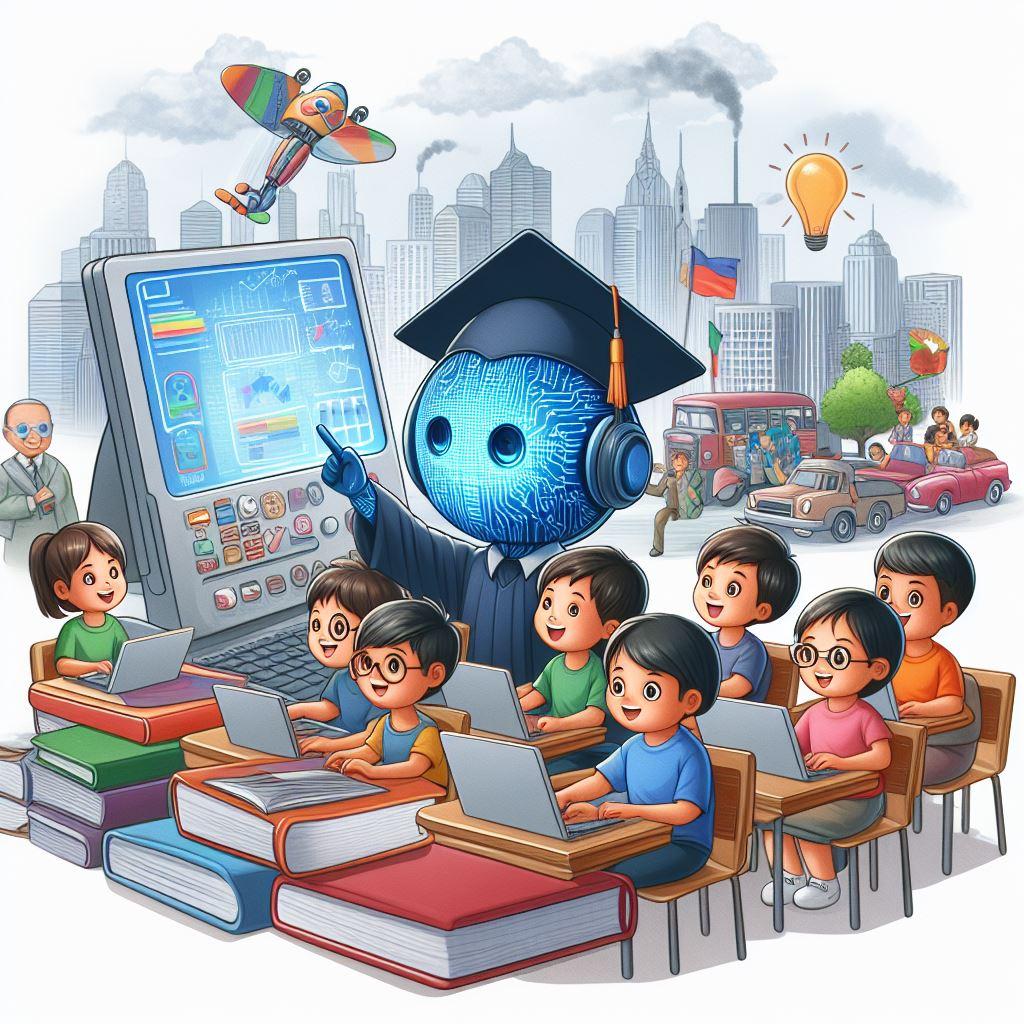
How AI Empowers Students with Disabilities: Transforming Inclusive Education
Inclusive education strives to ensure that every student, regardless of their abilities or disabilities, can access, participate in, and benefit from quality learning experiences. As education continues to evolve, artificial intelligence (AI) is emerging as a transformative force, breaking barriers and creating opportunities for students with disabilities. But how exactly does AI empower these learners? In this article, we will dive deep into the revolutionary impact of AI on accessible education, showcasing real-life successes, key benefits, and practical ways to integrate technology for a more inclusive classroom.
Why inclusive Education Matters
Inclusive education acknowledges and values diversity within the classroom. It focuses on providing support and accommodations so that every learner,including those with disabilities,can thrive. Some common disabilities that may affect learning include:
- Visual impairments
- Hearing impairments
- Learning disabilities (e.g., dyslexia, ADHD)
- Physical disabilities
- Speech and communication disorders
- Autism spectrum disorders
While traditional strategies—such as individualized education programs (IEPs), resource teachers, and specialized materials—remain essential, AI-powered tools are taking inclusive education to the next level by customizing learning, removing communication barriers, and fostering independence.
How AI Empowers Students with Disabilities
AI technologies are designed to mimic human intelligence and aid in problem-solving, pattern recognition, and personalized recommendations. In education, these capabilities offer several game-changing applications for students with disabilities. Let’s explore some of the most impactful ways AI is transforming inclusive education:
1. Personalized Learning Experiences
- Adaptive learning platforms powered by AI analyze students’ progress,adjusting content difficulty,pacing,and instructional style to each learner’s unique needs.
- for students with learning disabilities, these platforms can break down complex topics, provide additional practice, or offer alternative explanations in real-time.
2. AI-Driven Accessibility Tools
- Speech recognition software converts spoken words into text, aiding students with mobility or motor impairments and also those with dyslexia.
- Text-to-speech tools allow those with visual impairments to consume written content easily.
- automatic captioning and translation features help students who are deaf or hard of hearing,and also those learning in a non-native language.
3. communication and Social Skill Development
- AI-powered communication apps make it easier for non-verbal students or those with autism spectrum disorders to express themselves and interact with peers through visual cues, symbol boards, or predictive text tools.
- Social skills coaches use AI to simulate social scenarios, offering feedback and safe practice for students with social or emotional challenges.
4. Smarter Assessment and Feedback
- AI assessment tools swiftly analyze student work, providing instant, actionable feedback. This supports continuous improvement and allows teachers to intervene early when students are struggling.
- These systems can be tailored to accommodate different assessment modes—for example, oral exams for students with dysgraphia.
5. AI Robots and virtual Assistants
- Robotic aides and AI chatbots can offer personalized reminders,answer student questions,and shepherd learners through daily routines.
- Some robots are equipped with sensors to engage students in interactive storytelling or facilitate therapy for children with developmental delays.
Benefits of AI in Inclusive education
Integrating AI in inclusive education environments offers several key benefits:
- Greater independence for students with disabilities, enabling them to access materials and complete tasks with less reliance on human assistance.
- Reduction in learning gaps through individualized support tailored to each learner’s strengths and challenges.
- increased engagement as learning becomes interactive, dynamic, and responsive to student preferences.
- Scalability: AI-powered solutions can support large numbers of students, including those in remote or under-resourced areas.
- Empowering educators by automating administrative tasks and providing deeper insights into student progress.
real-World Case Studies
Case Study 1: AI Speech Recognition for Students with Dyslexia
One primary school in California implemented an AI-driven speech-to-text tool for students with dyslexia. Students could dictate their essays and emails, bypassing the anxiety associated with spelling and handwriting. Teachers reported a 30% increase in written assignment completion rates and improved classroom participation.
Case Study 2: Virtual Learning Companions for Students with Autism
In a pilot program, students with autism spectrum disorders used an AI-powered virtual avatar for practice in social interactions. This tool simulated conversations, provided prompts, and offered non-verbal cues. Parents and educators reported better communication skills, more peer interaction, and greater student confidence.
Case Study 3: AI Captioning for Remote Learning
During the COVID-19 pandemic, a university incorporated AI-generated captions for all online lectures. Students who were deaf or hard of hearing, as well as those for whom English was a second language, benefited from increased accessibility, leading to a measurable improvement in course completion rates.
First-Hand Experience: A Student’s Outlook
“As a visually impaired student, I often struggled to keep up with textbooks and class notes. After my school adopted an AI-powered text-to-speech app, I could finally ‘read’ at my own pace, take notes independently, and participate in study groups without relying on classmates all the time. It made me feel empowered and equal.”
Practical Tips for integrating AI in Inclusive Education
To successfully harness AI’s potential for empowering students with disabilities,educators and schools should consider these practical strategies:
- Research and select AI-enabled tools designed specifically for accessibility and inclusive education.
- Collaborate with special education experts to tailor AI adoption to students’ individual needs and ensure technology complements existing supports.
- Prioritize data privacy and ethical AI usage,especially when collecting sensitive data about students.
- Provide training for teachers and students on how to use AI tools efficiently and safely.
- Stay updated with the latest advancements in AI for education to continuously improve classroom inclusivity.
Addressing Challenges and Concerns
While AI offers tremendous promise, its implementation is not without challenges:
- Equitable access to technology and reliable internet must be ensured for all students.
- Bias in AI algorithms should be monitored to prevent the reinforcement of stereotypes or unfair educational outcomes.
- Human connection is still vital. AI is a tool that should augment, not replace, human educators and support staff.
Proactive planning, ongoing professional development, and frequent feedback from students and families are essential for overcoming these hurdles.
Conclusion: Building a More Inclusive Future with AI
Artificial intelligence is reshaping the landscape of inclusive education,empowering students with disabilities to overcome longstanding barriers and reach their full potential. By leveraging AI-powered tools—such as adaptive learning platforms, accessible communication aids, and smart assessment systems—educators can create personalized, engaging, and accessible classrooms were every learner thrives. As technology continues to advance, it is critical to approach AI adoption thoughtfully, ensuring ethical, equitable, and effective implementation. The future of education is radiant, inclusive, and endlessly innovative—with AI leading the way.